DLSS 5 leaked and modders are putting Nvidia’s AI effects on everything
Source Entity
Emma Roth
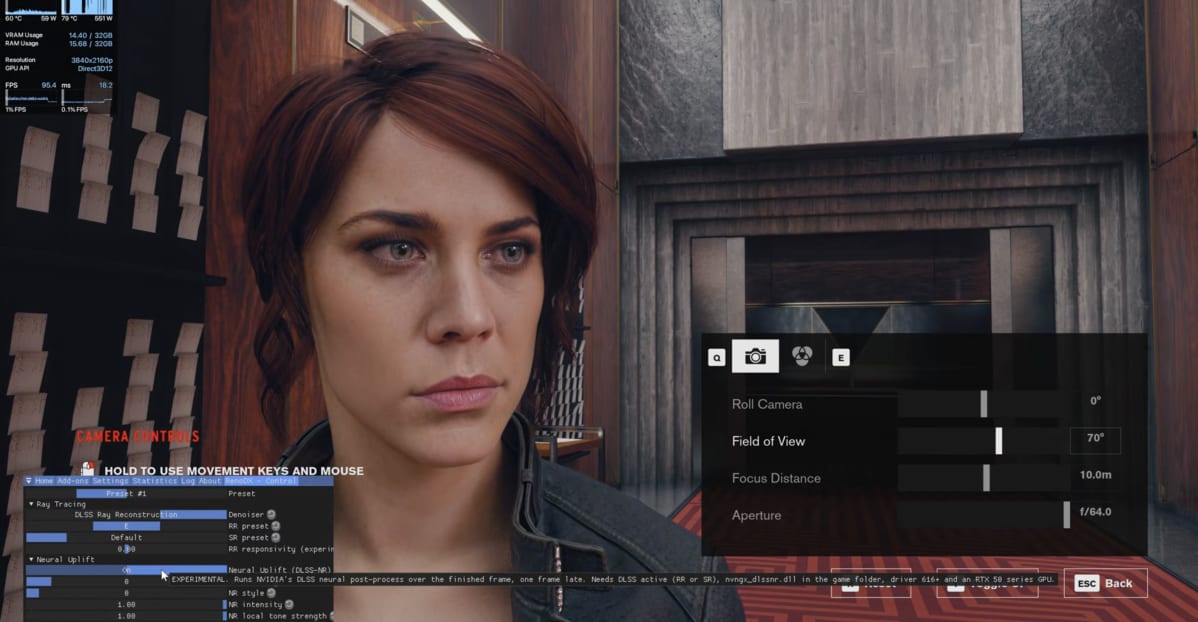
A leaked build of NBA 2K27 has revealed early code for Nvidia's unannounced DLSS 5 technology. Modders have successfully extracted this neural rendering file to apply unofficial AI upscaling effects to various popular titles.
The Unofficial Emergence of Nvidia's DLSS 5
The landscape of PC gaming graphics has been unexpectedly shaken by the discovery of code pertaining to Nvidia’s unannounced DLSS 5 technology. Found within an early-access build of NBA 2K27, this leak has provided the modding community with an unprecedented opportunity to experiment with next-generation AI upscaling before its official market debut. The discovery, facilitated by members of the RenoDX Discord channel, highlights a growing trend where proprietary software is being repurposed by enthusiasts to push the boundaries of visual fidelity.
From NBA 2K27 to the Modding Scene
After extracting the "Neural Rendering" file from the NBA 2K27 build, modders successfully implemented the tech into titles like Control, Skyrim, Cyberpunk 2077, and GTA V. This rapid cross-platform application demonstrates the modular nature of modern neural rendering pipelines. By bypassing official channels, these enthusiasts are effectively beta-testing future Nvidia features on a wide array of engines that were never intended to support them, providing a unique look at the evolution of AI-driven image reconstruction.
Visual Fidelity and the 'Neural Uplift'
Technical demonstrations, particularly those involving Control, offer a glimpse into the capabilities of this leaked software. By toggling the "Neural Uplift" setting, users can observe significant shifts in geometric detail and texture definition. Videos showcasing Jesse Faden’s facial features reveal how the tech alters rendering depth, transitioning from a smooth, uniform aesthetic to a highly defined, complex mesh. This suggests that DLSS 5 may focus heavily on intelligent edge detection and material reconstruction rather than simple resolution scaling.
Broader Implications for AI Upscaling
The leaked DLSS 5 code underscores the increasing reliance of the gaming industry on machine learning to achieve high-frame-rate, high-fidelity experiences. As Nvidia continues to iterate on its Deep Learning Super Sampling suite, the barrier between hardware-native rendering and AI-inferred imagery continues to blur. The ability for third-party modders to port these tools suggests that future versions of DLSS may be more "plug-and-play" than previous iterations, potentially changing how developers integrate upscaling support in the future.
Historical Context and Future Trends
Historically, Nvidia’s DLSS technology has evolved from static image sharpening to complex frame generation and AI-driven temporal reconstruction. If this leaked version represents the next evolution, it signifies a shift toward more granular control over how AI interprets game assets. While the current implementation is unofficial and likely unstable, it sets a precedent for how quickly new rendering standards will be adopted—and potentially exploited—by the enthusiast community moving forward.
Conclusion
While the appearance of DLSS 5 in an NBA 2K27 build is likely an accidental leak, its impact on the modding community is undeniable. By enabling AI-enhanced visuals across a library of older and modern titles, modders are not only showcasing the potential of Nvidia’s upcoming tech but also raising questions about the future of proprietary software control. As Nvidia prepares for an official announcement, the community’s early experimentation serves as a fascinating, if unofficial, proof-of-concept for the next generation of AI graphics.