Rahul backed ‘Janatana Sarkar’ of Maoists’: Amit Shah
Source Entity
The Indian Express
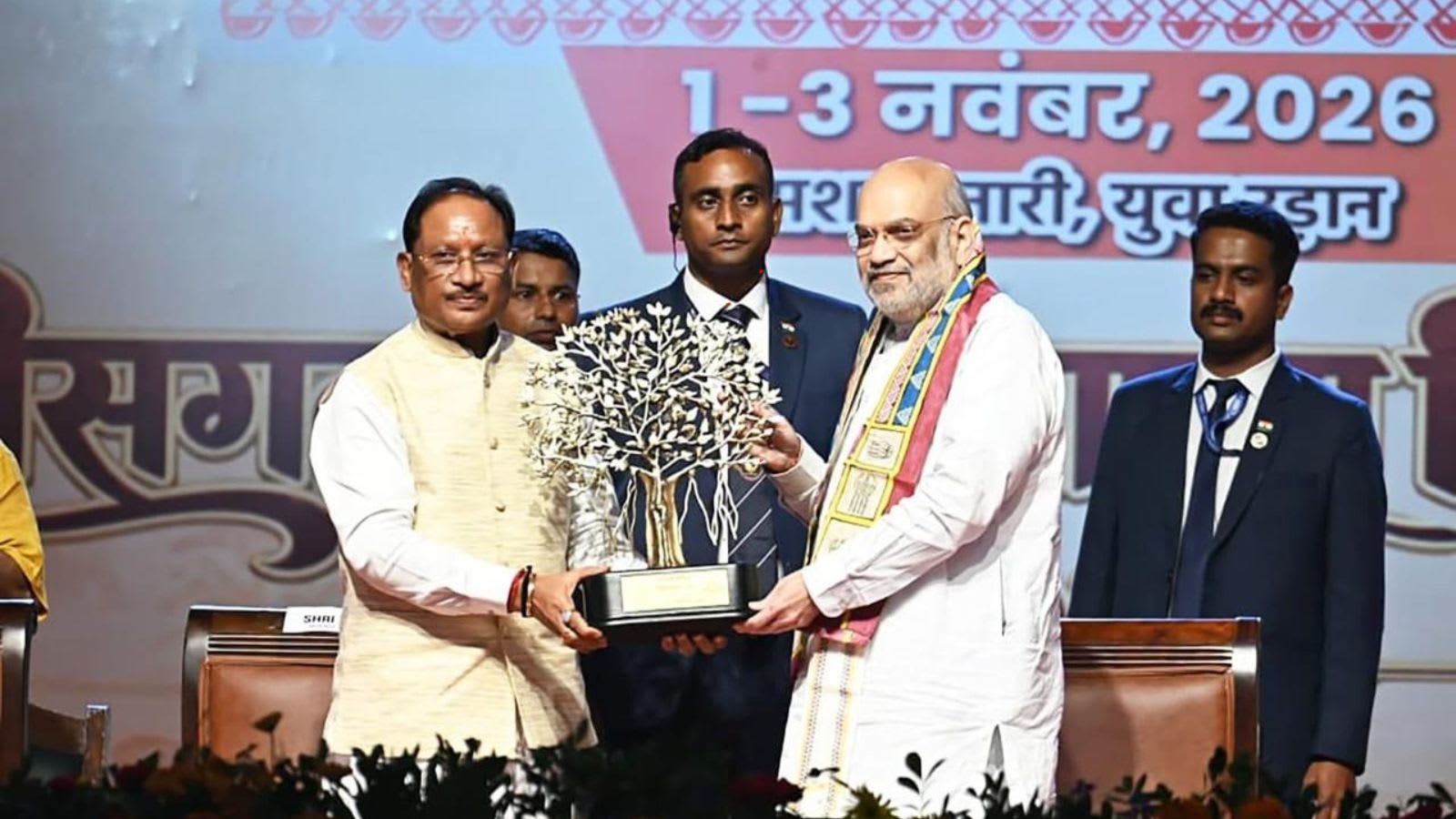
Union Home Minister Amit Shah has accused Rahul Gandhi and the Congress party of sympathizing with Naxalite elements and undermining constitutional institutions. The comments were made during the Chhattisgarh Rajyotsav, where the government reiterated its firm stance against insurgency.
Political Tensions Escalate Over Naxalism Allegations
Union Home Minister Amit Shah has launched a sharp political offensive against the Congress party, specifically targeting leader Rahul Gandhi, by accusing the opposition of maintaining tacit support for Naxalism. Speaking at the Chhattisgarh Rajyotsav, Shah contended that Gandhi had lent legitimacy to the 'Janatana Sarkar,' a parallel governance structure established by Maoist insurgents that operates outside the framework of the Indian Constitution. This accusation marks a significant intensification in the ongoing ideological battle between the BJP and the Congress regarding national security and the rule of law.
The 'Janatana Sarkar' and Constitutional Sovereignty
The core of the Home Minister's critique rests on the concept of the 'Janatana Sarkar' (People’s Government), an administrative mechanism used by Maoist groups to exercise control in remote, conflict-prone areas like Bastar. By labeling this structure as 'unconstitutional,' the Union government is emphasizing the threat such movements pose to the sovereignty of the Indian state. The government’s stance is that any entity attempting to mimic state functions—such as delivering justice or collecting taxes outside of official channels—is a direct challenge to the democratic fabric of India.
Security Policy in Conflict Zones
During his address, Amit Shah underscored the Modi government's 'clear policy' regarding internal security. He articulated a binary approach: those who adhere to the laws of the land are afforded the full protections of citizenship, while those who engage in violence or insurrection in regions like Bastar, the Northeast, or Kashmir will face the full force of the state's security apparatus. This rhetoric signals that the administration intends to maintain a hardline security posture, prioritizing counter-insurgency operations to stabilize regions historically plagued by extremist violence.
Parliamentary Conduct and Political Discourse
The conflict between the ruling party and the opposition has spilled over into the hallowed halls of Parliament. Shah criticized the Congress for what he described as 'mocking Parliament' through the staging of a 'fake Parliament.' This accusation reflects deeper concerns over the degradation of parliamentary decorum and the erosion of bipartisan cooperation on critical national security issues. The Home Minister’s challenge to the Congress to engage in a formal discussion on the floor of the House highlights the government's desire to force the opposition to debate policy rather than engage in protest-based disruption.
Future Implications for Indian Democracy
Looking ahead, this exchange suggests that the discourse surrounding Naxalism and national security will remain a central pillar of political campaigning. As the government continues its push for developmental integration in tribal-dominated areas, the clash between state authority and extremist ideology will likely remain a flashpoint. The government's insistence on constitutional adherence serves as both a policy directive for security forces and a strategic political narrative aimed at questioning the opposition's commitment to national integrity. The ability of the political class to move beyond these accusations and engage in substantive legislative debate will be a defining factor in the stability of India’s democratic institutions in the coming term.