‘Nobody will abuse me’: Amitabh Bachchan had one condition for Sanjay Gupta’s Kaante
Source Entity
The Indian Express
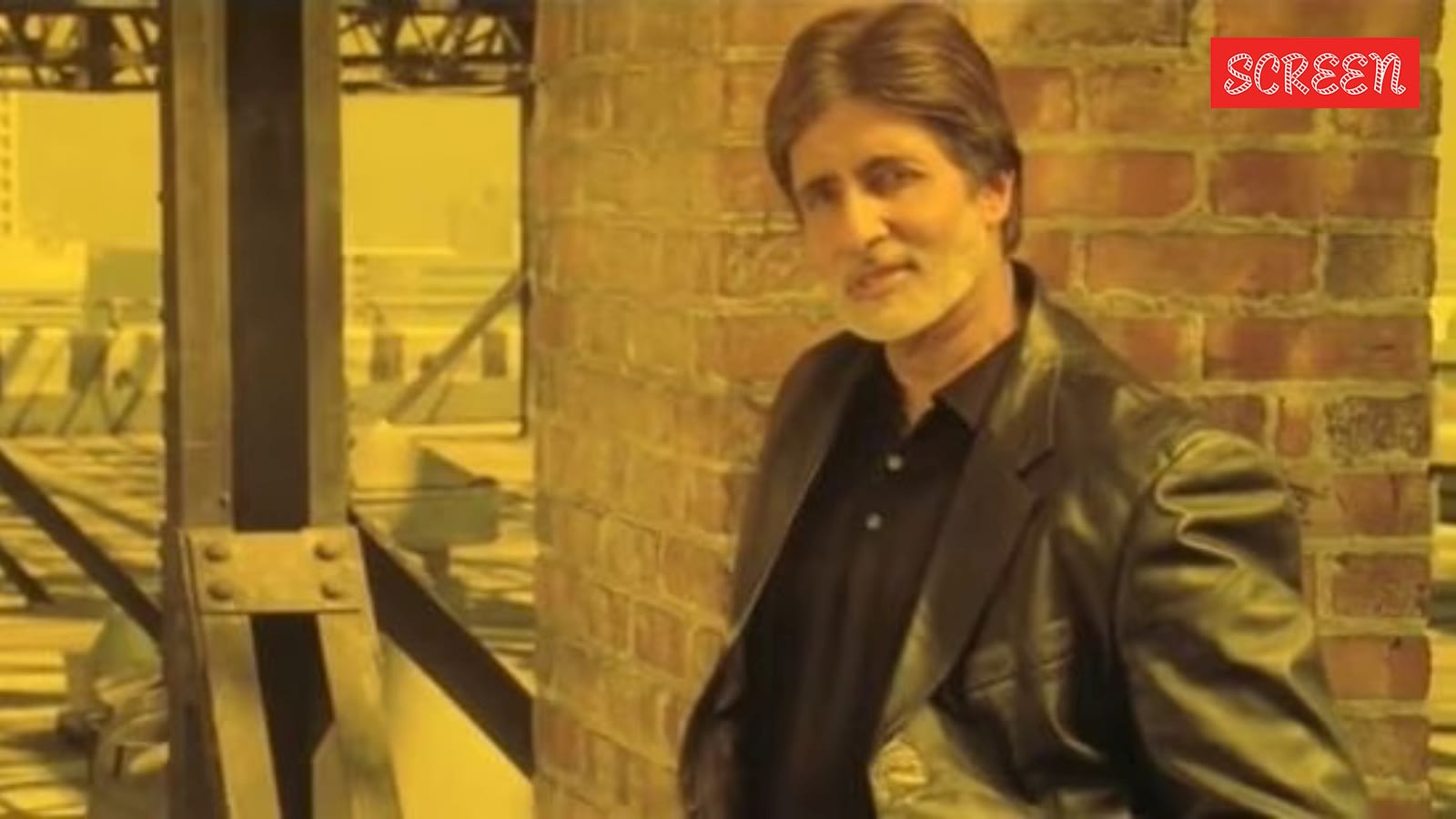
Director Sanjay Gupta revealed that Amitabh Bachchan insisted on a 'no-abuse' clause for his character in the 2002 film Kaante. While Bachchan refused to be the target of foul language, he permitted other characters to use such dialogue, which was later moderated by censorship.
The Creative Negotiation Behind Kaante
Director Sanjay Gupta recently revisited the production of his 2002 cult classic action thriller, Kaante, shedding light on the specific creative boundaries set by Bollywood legend Amitabh Bachchan. In a discussion with Hussain Zaidi, Gupta detailed how the script originally contained a significant amount of profanity and abusive language, reflecting the gritty, underworld-centric tone of the narrative. However, Bachchan, who played a central role in the heist film, established a firm condition regarding his character's dialogue and treatment.
The 'No-Abuse' Mandate
Bachchan, known for his carefully curated screen image, communicated to Gupta that he would not tolerate his character being subjected to abusive language. This demand highlights the enduring influence of the 'Angry Young Man' persona that Bachchan cultivated throughout his career. Even in a film centered on high-stakes criminality and moral ambiguity, Bachchan maintained a level of decorum for his character, forcing the director to navigate a balance between the film's raw, realistic aesthetic and the actor's personal professional boundaries.
Balancing Creative Vision and Actor Autonomy
Gupta’s response to this condition was pragmatic. He agreed to shield Bachchan’s character from being the target of abuse, but clarified that this constraint did not extend to the rest of the ensemble cast. This distinction allowed Kaante to retain its intense, gritty atmosphere while respecting Bachchan’s specific requirements. It serves as an interesting case study in how directors must negotiate with A-list stars to maintain the integrity of the script while ensuring the comfort and brand alignment of their lead talent.
Censorship and Script Evolution
The production of Kaante also encountered the realities of the Indian film censorship process. Gupta noted that even the profanity permitted for the other characters underwent modifications during the post-production stage. This demonstrates the constant tug-of-war between filmmakers aiming for cinematic realism and the rigid regulatory frameworks that governed Indian cinema during the early 2000s.
Legacy of the Film
Kaante remains a pivotal film in the history of Indian action cinema, often cited for its visual style and ensemble performances. By revisiting these behind-the-scenes anecdotes, we gain a deeper appreciation for the collaborative—and sometimes restrictive—processes that shaped the final product. The anecdote regarding Bachchan’s dialogue condition underscores the immense power dynamics at play during the making of such a high-budget, star-driven project, providing a fascinating glimpse into the evolution of character portrayal in mainstream Hindi cinema.