How mud wrestler grandfather Balu Pujari was biggest backer of U23 Worlds silver winner Amruta
Source Entity
Pritish Raj
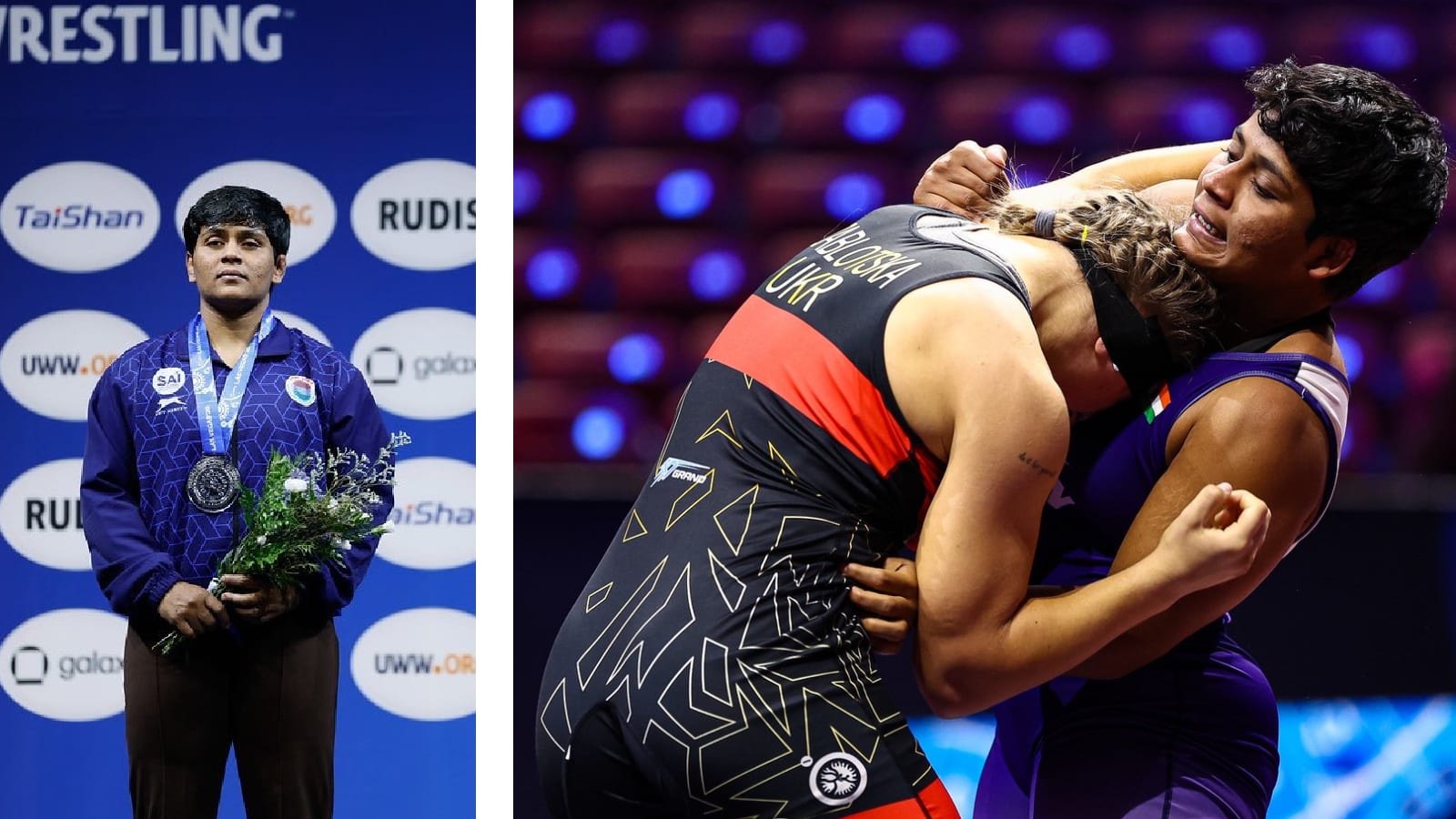
Amruta Pujari secured a silver medal in the 72 kg category at the U23 World Wrestling Championships. Her achievement honors a multi-generational family legacy of wrestling rooted in the traditions of Kolhapur.
A Legacy Reclaimed: Amruta Pujari’s U23 World Championship Success
Amruta Pujari has etched her name into the annals of Indian wrestling history by securing a silver medal in the 72 kg category at the U23 World Championships. This achievement represents the most significant milestone of her burgeoning career, signaling her emergence as a formidable force on the international stage. Beyond the personal accolade, her victory serves as a testament to the enduring power of familial heritage in the sport of wrestling.
The Roots of Excellence
The narrative of Amruta’s success is deeply intertwined with the history of her family in the Shirol village of Kolhapur. Her father, Shashikant Pujari, highlights that this victory is a continuation of a multi-generational legacy. Her great-grandfather and grandfather were both accomplished mud wrestlers, establishing a reputation for physical prowess and discipline that has clearly been passed down through the bloodline.
Historical Context: The Kolhapur Wrestling Tradition
To understand the significance of Amruta’s achievement, one must look at the historical patronage of wrestling in Kolhapur. The Pujari family were historically associated with the court of Rajarshi Shahu Maharaj. The Maharaj was a legendary patron of the sport, known for actively sponsoring local wrestlers by providing essential dietary support and organizing dangals (wrestling matches) on mud. This institutional support fostered a culture where wrestling was not merely a hobby but a community-honored vocation.
Bridging the Generational Gap
Despite the deep-rooted tradition, the family’s wrestling trajectory faced a temporary hiatus. Shashikant Pujari noted that a break in the lineage occurred when he transitioned into the workforce, specifically taking a position at a sugar mill. This shift reflects the broader socio-economic pressures that often force families to move away from traditional sporting vocations in favor of stable employment, making Amruta’s return to the sport a poignant reclamation of her family’s identity.
Broader Implications for Indian Wrestling
Amruta’s rise is indicative of a broader trend where traditional wrestling hubs like Kolhapur are successfully adapting their centuries-old knowledge to the modern requirements of international mat wrestling. By blending the raw, grit-based training of mud wrestling with modern technical standards, athletes like Amruta are bridging the gap between traditional akhadas and global podiums.
Conclusion
Amruta Pujari’s silver medal at the U23 World Championships is more than an athletic triumph; it is a successful revival of a heritage that was nearly lost. By carrying the torch of her grandfather and great-grandfather, she has proven that the spirit of Kolhapur’s wrestling culture remains vibrant. Her future in the sport looks promising, as she continues to balance the weight of her family legacy with the demands of elite, modern-day competition.