The Analogue 3D can now update itself over Wi-Fi
Source Entity
Andrew Liszewski
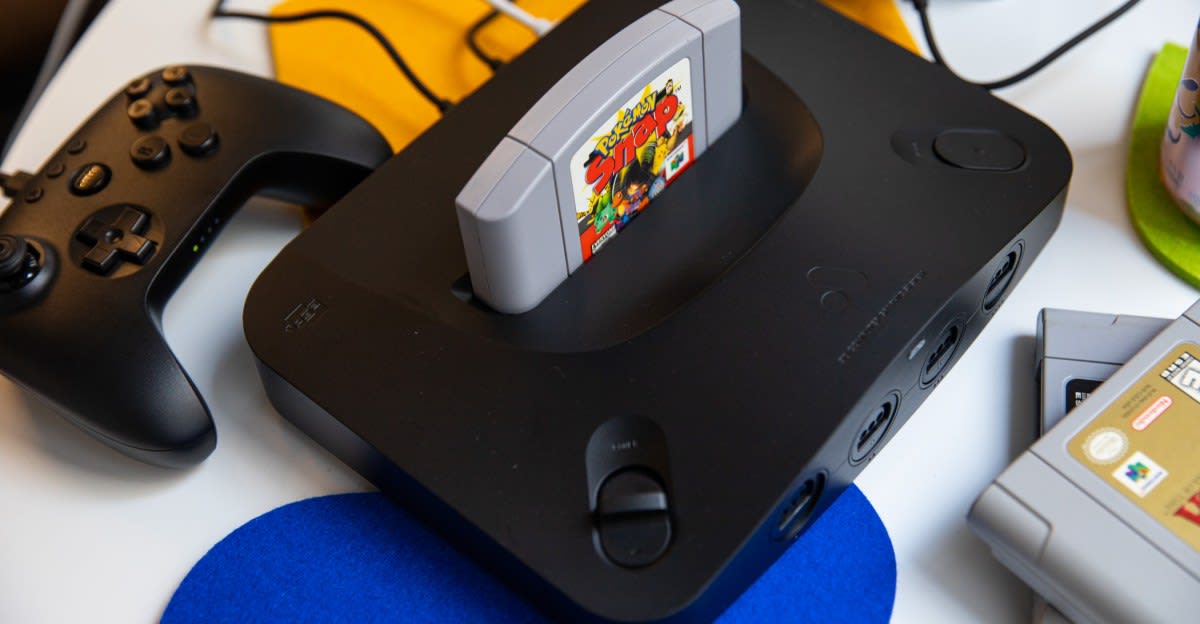
Analogue has officially activated Wi-Fi capabilities for its 3D console, the modernized Nintendo 64. This update enables future firmware installations to occur wirelessly, eliminating the traditional need for manual memory card transfers.
The Evolution of Retro Gaming Convenience
Analogue, a company renowned for its high-fidelity hardware recreations, has reached a significant milestone in the lifecycle of its latest product, the Analogue 3D. By activating Wi-Fi support via the version 1.6.0 firmware update, the company has fundamentally changed how users interact with their modernized Nintendo 64 hardware. Historically, Analogue consoles required a cumbersome, manual process involving the transfer of files onto an SD memory card to receive feature enhancements. This update marks a transition toward a more seamless, modern user experience.
The Mechanics of the 1.6.0 Update
The implementation of Wi-Fi support is not merely a convenience feature; it represents the final tether to the old way of console maintenance. The version 1.6.0 firmware update is explicitly designed to handle a wide spectrum of connectivity, supporting 2.4GHz, 5GHz, mixed, and even hidden Wi-Fi networks. This broad compatibility ensures that users across various home networking environments can easily integrate the console into their digital ecosystem, effectively future-proofing the device for subsequent updates.
Bridging the Gap Between Retro and Modern
The Analogue 3D is designed to bridge the gap between nostalgia and modern technical expectations. While the hardware seeks to replicate the experience of the Nintendo 64, the software support provided by Analogue has consistently exceeded the capabilities of original vintage consoles. By allowing the console to 'update itself' over the air, Analogue is applying modern software-as-a-service (SaaS) principles to retro-gaming hardware, ensuring that the console remains relevant and functional without demanding technical expertise from the end user.
The End of Manual Firmware Management
For years, enthusiasts of FPGA-based hardware have grown accustomed to the 'memory card shuffle'—the ritual of downloading firmware files on a PC, moving them to a card, and manually flashing the console. The activation of the Wi-Fi hardware, which has been present in the console since day one, serves as a testament to Analogue's philosophy of releasing hardware with latent potential. This final manual update serves as the bridge, setting the stage for a future where the console maintains its own software ecosystem autonomously.
Future Implications and User Experience
Looking ahead, this shift suggests that Analogue is prioritizing long-term support and user accessibility. By removing the friction of manual updates, the company likely aims to increase the adoption of feature patches, ensuring that the entire user base is running the most stable and feature-rich version of the software. This move aligns with broader industry trends where hardware is increasingly defined by its software longevity, transforming the Analogue 3D from a static retro-recreation into a living, evolving piece of technology.