ChatGPT can transcribe as you speak now with Live Dictation
Source Entity
Stevie Bonifield
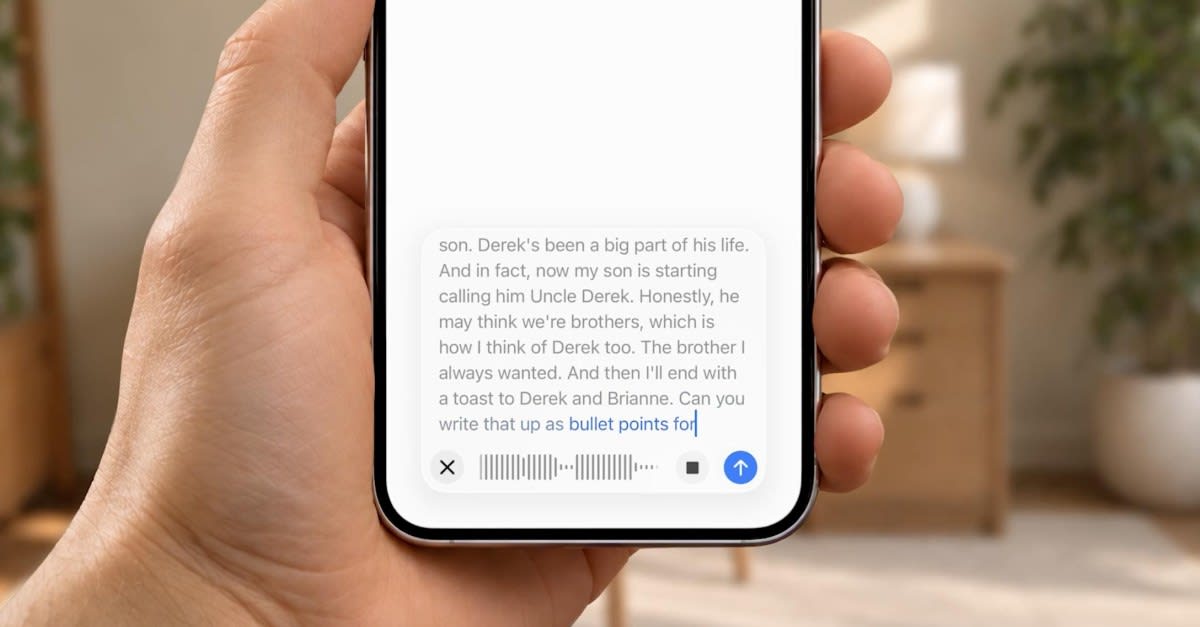
OpenAI has introduced a live dictation feature for ChatGPT that transcribes audio in real-time across all platforms. This update also removes the previous 10-minute recording limit, significantly enhancing the utility of voice-based interactions.
Evolution of Voice Interaction in AI
OpenAI has officially launched a new Live Dictation feature for ChatGPT, marking a significant shift in how users interact with generative AI. By enabling real-time transcription as a user speaks, the platform moves away from the previous model of waiting for a recording to conclude before processing. This update is rolling out globally across web, desktop, and mobile applications, ensuring a unified experience for users regardless of their chosen device or subscription tier.
Breaking the 10-Minute Barrier
One of the most consequential aspects of this update is the removal of the 10-minute recording limit. Historically, voice-to-text features in AI assistants were constrained by processing windows that necessitated shorter bursts of input. By lifting this restriction, OpenAI is positioning ChatGPT as a viable tool for long-form content creation, such as transcribing meetings, lectures, or lengthy brainstorming sessions. This change reflects a broader trend in the industry toward accommodating sustained, complex human-AI collaboration.
Enhanced User Control and Editing
Beyond mere speed, the new functionality provides users with greater visibility over the transcription process. Users can now tap or click on the active audio waveform to view the live transcript as it is being generated. This transparency allows for immediate corrections or adjustments within the prompt box before the final input is submitted. Such a feature reduces the friction typically associated with voice-to-text errors, effectively turning the dictation process into an interactive drafting session.
Reliability and Technical Overhaul
This update follows a major overhaul of ChatGPT’s two-way conversational voice mode conducted earlier this year. OpenAI’s commitment to improving the reliability of these features suggests a strategic focus on making voice the primary interface for AI. By refining the underlying models that handle audio, OpenAI is not only increasing speed but also ensuring that the nuance of human speech is captured more accurately, bridging the gap between spoken intent and digital output.
Future Implications for Productivity
As these tools become more robust, we can expect to see a shift in how professionals utilize AI for documentation. The transition from "record-then-process" to "live-transcription" mirrors the evolution of professional dictation software, but with the added layer of generative intelligence. The ability to speak naturally while seeing the text take shape in real-time is likely to increase the adoption of ChatGPT in fast-paced work environments where efficiency is paramount.
Conclusion
In summary, the introduction of Live Dictation is a foundational upgrade that enhances the versatility of ChatGPT. By prioritizing real-time feedback and removing legacy constraints like recording time limits, OpenAI is effectively lowering the barrier to entry for users who prefer voice input over traditional typing. As the technology continues to mature, these refinements will likely solidify the role of voice-native AI as an essential component of modern digital workflows.