US CEO reveals why he prefers eating lunch with employees in the office break room
Source Entity
Latest News: Todays Latest News Headlines from India & World | Hindustan Times | Hindustan Times
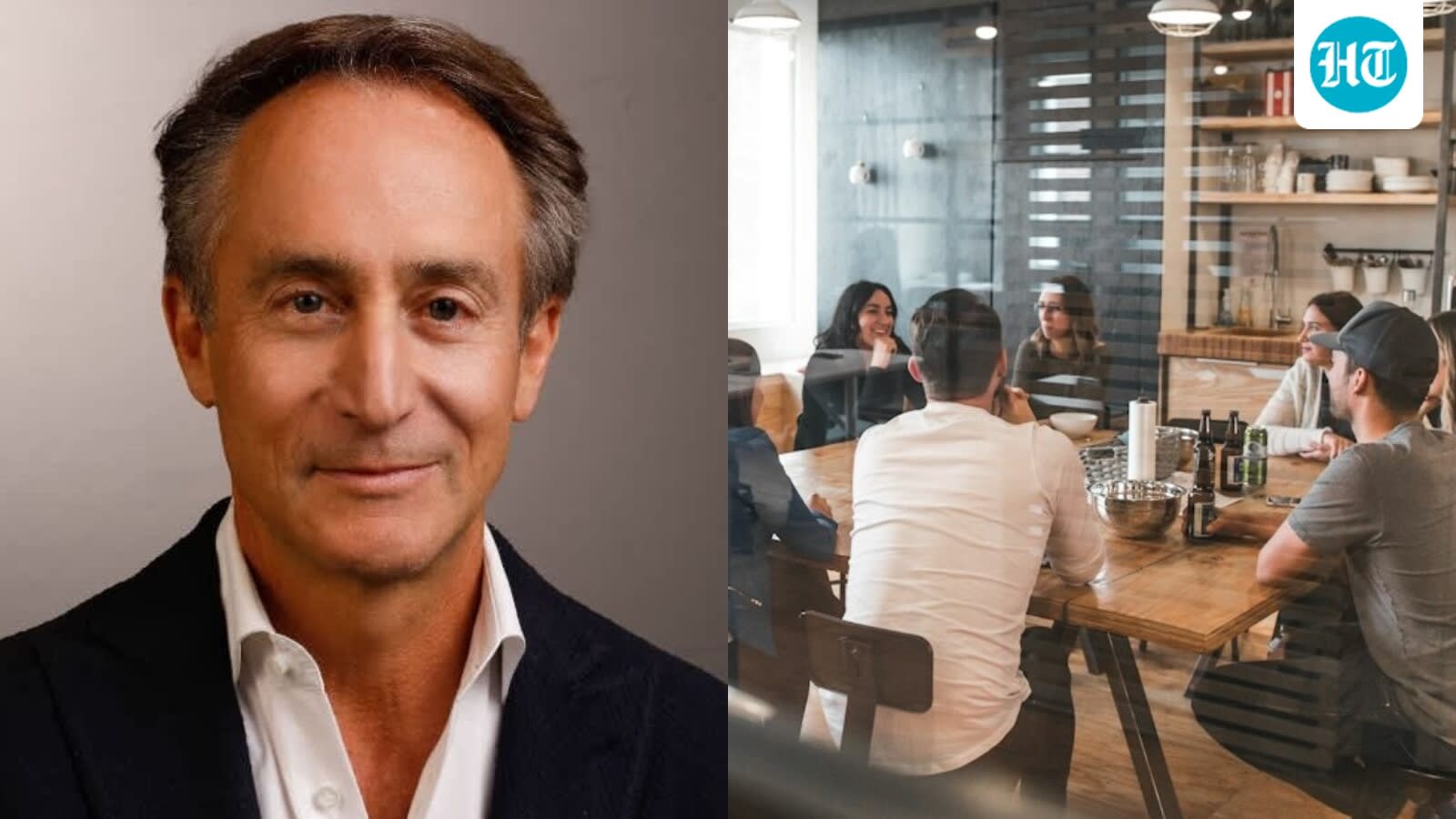
Ancestry CEO Howard Hochhauser prioritizes eating lunch with employees in communal areas to foster transparency and gather honest feedback. This unconventional leadership style aims to bridge the corporate hierarchy gap and gain unfiltered insights into company culture.
The Power of Proximity: Rethinking Corporate Leadership
In an era defined by remote work and digital communication, the traditional corporate hierarchy is increasingly being challenged by leaders who prioritize direct, face-to-face engagement. Ancestry CEO Howard Hochhauser has garnered attention for his deliberate practice of eschewing the executive dining room in favor of the office break room. By choosing to share meals with staff across all levels of the organization, Hochhauser is actively dismantling the physical and psychological barriers that often separate top-tier management from the operational workforce.
Breaking the Information Silo
The fundamental problem facing many large-scale corporations is the 'silo effect,' where critical information is sanitized or filtered as it travels up the chain of command to the C-suite. Hochhauser’s approach serves as a strategic counter-measure to this phenomenon. By creating a relaxed, non-hierarchical environment in the break room, he invites candid communication that would likely never surface in a formal boardroom setting. This informal feedback loop allows him to gauge the real-time morale and operational challenges of the company from the perspective of those closest to the product and the customer.
The Psychological Impact of Shared Space
Leadership is as much about perception as it is about policy. When a CEO sits among employees, it signals a culture of accessibility and humility that can significantly improve employee engagement. This practice transforms the office from a rigid structure of authority into a community. By participating in the communal dining experience, Hochhauser humanizes the executive role, which can lead to increased trust and a stronger sense of organizational alignment among the staff. This psychological safety is essential for fostering innovation, as employees feel more comfortable sharing ideas when they believe their leadership is approachable and invested in their daily experiences.
Cultural Lessons and Historical Context
Hochhauser’s methodology is rooted in lessons learned from his own mentors, demonstrating how leadership philosophies are often passed down through organizational lineages. Throughout corporate history, leaders who have successfully navigated periods of transition or growth have often relied on 'management by walking around'—a concept that Hochhauser has modernized for the contemporary workplace. This philosophy suggests that the most valuable data points for a business are not found in spreadsheets alone, but in the nuanced observations of workplace culture and employee sentiment.
Future Trends in Executive Leadership
As the modern workplace continues to evolve, the demand for transparent and empathetic leadership is at an all-time high. The success of Hochhauser’s approach may signal a broader trend where CEOs are expected to be more present and grounded in the daily realities of their workforce. As companies compete for top talent, a culture that values human connection over rigid protocol will likely become a competitive advantage. Moving forward, we can expect more executives to adopt similar strategies to ensure they remain connected to the pulse of their organizations, ultimately leading to more informed decision-making and a more resilient corporate culture.
Verification Required?