Opinion: Opinion | Marine Engines: Why India Must Own The Power Behind The Platform
Source Entity
NDTV News Search Records Found 1000
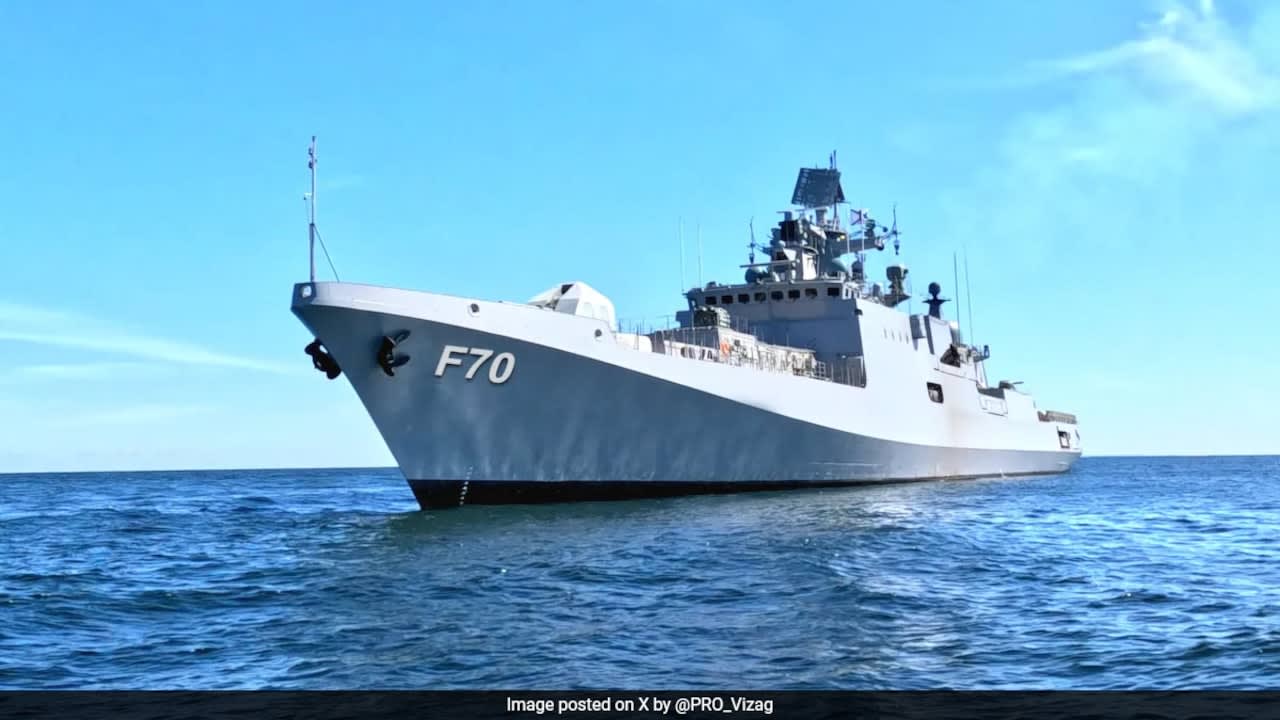
India's strategic push to indigenize marine engine manufacturing is essential for achieving true maritime sovereignty. This shift reduces dependence on foreign OEMs and bolsters the nation's defense and commercial shipping self-reliance.
The Strategic Imperative of Marine Engine Indigenization
India’s maritime ambitions are currently undergoing a paradigm shift, moving from mere platform procurement to a deeper focus on the 'power behind the platform.' The recent discourse emphasizes that a nation’s naval and commercial strength is fundamentally anchored in its ability to master marine propulsion technology. Relying on foreign original equipment manufacturers (OEMs) for critical engine components creates a strategic vulnerability, potentially compromising operational readiness during geopolitical crises.
Breaking the Dependency Cycle
Historically, India has operated as a buyer in the global defense market, frequently importing engines that power its frontline warships and commercial vessels. This reliance necessitates long-term logistical support agreements and leaves the country susceptible to supply chain disruptions or export control restrictions. By prioritizing the domestic development of marine engines, India seeks to transition from an importer to a manufacturer, ensuring that the lifecycle management of its fleet remains entirely under sovereign control.
Economic and Industrial Multipliers
Beyond the strategic defense implications, the push for indigenous marine engines serves as a significant economic catalyst. Developing high-end propulsion systems requires a robust ecosystem of material science, precision engineering, and specialized manufacturing. Investing in this sector encourages the growth of a domestic industrial base, creating high-skilled jobs and fostering innovation within the private sector, which can then be integrated into broader industrial manufacturing goals.
Challenges in Technological Sovereignty
Achieving self-reliance in this domain is not without significant hurdles. Marine propulsion requires extreme engineering precision to handle the harsh, corrosive environments of the open sea while maintaining high output and durability. The transition requires substantial R&D investment and a willingness to accept the initial risks associated with indigenous development compared to the 'off-the-shelf' reliability of established foreign engines.
Future Trends and Strategic Outlook
Looking ahead, India’s focus on indigenization will likely dictate the success of its 'Make in India' initiative within the maritime sector. As the nation expands its blue-water navy capabilities and modernizes its commercial shipping fleet, the demand for locally manufactured engines will grow exponentially. If India successfully scales this technology, it could eventually pivot toward exporting these propulsion systems, further cementing its position as a global maritime hub. The shift is not merely about logistics; it is about securing the strategic autonomy necessary for a rising power in the Indian Ocean region.
Verification Required?