Drug given to prevent malaria sends 52 Andhra villagers to hospital; girl, 7, dead, 23 more children moved to Telangana
Source Entity
India Latest News: Top National Headlines Today & Breaking News | The Hindu
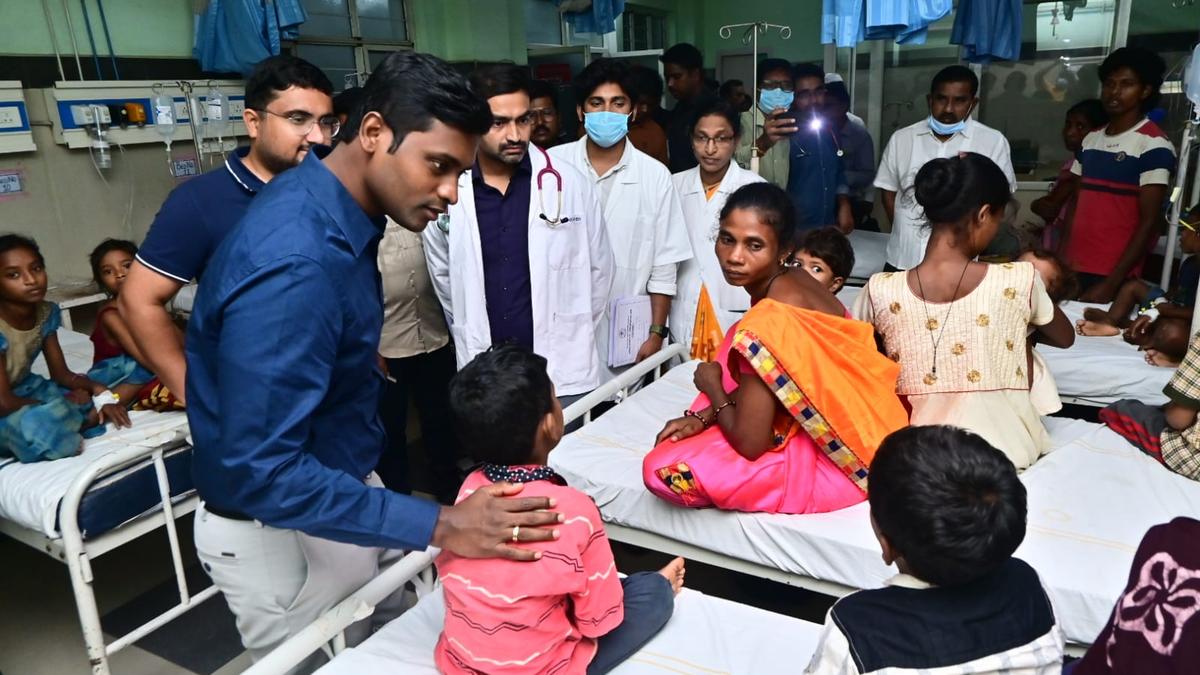
A medical camp in Andhra Pradesh's Gollaguppa village resulted in 52 hospitalizations and one fatality after villagers were administered anti-malaria medication. Chief Minister N. Chandrababu Naidu has ordered an inquiry into the incident as authorities monitor the condition of the affected children.
Medical Crisis in Gollaguppa: An Urgent Investigation
On September 1, 2026, a routine public health initiative in Gollaguppa village, located in the Polavaram district of Andhra Pradesh, took a tragic turn. A medical camp organized by the Lakshmipuram Primary Health Centre (PHC) to prevent the spread of malaria resulted in an adverse reaction among the local population. Following the administration of chloroquine tablets, 52 villagers reported symptoms including severe vomiting and respiratory distress. Tragically, a seven-year-old girl, identified as Madivi Jamuna, succumbed to the reaction, sparking immediate concern from state leadership.
Administrative Response and Medical Triage
Upon learning of the incident, Andhra Pradesh Chief Minister N. Chandrababu Naidu intervened, demanding a comprehensive review of the event. On the night of September 1, the Chief Minister convened with senior officials from the Health and Medical Department and the district Collector to establish the sequence of events. The primary objective of these directives was to ensure that the 52 affected individuals—47 of whom were children—received specialized care. To manage the influx of patients, 23 Koya children were subsequently transferred to the Bhadrachalam Area Hospital in neighboring Telangana, while others remained under observation at the local PHC.
The Scale of the Incident
Data provided by officials indicates that 71 villagers were administered the anti-malaria medication during the Tuesday camp. The rapid onset of symptoms across such a significant portion of the participants—nearly 75%—highlights a critical failure in the administration or the quality of the pharmaceutical intervention. The involvement of the Chintoor ITDA (Integrated Tribal Development Agency) Project Officer, Subham Nokwal, confirms the severity of the situation, particularly given the vulnerability of the tribal population in the Polavaram region.
Broader Public Health Implications
This incident raises significant questions regarding the logistics and safety protocols of rural health outreach programs. While malaria prevention remains a cornerstone of public health strategy in tropical regions, the failure to safely administer chloroquine points to potential issues in dosage calculation, medication storage, or pre-screening protocols for patients. The fact that the majority of those affected were children underlines the necessity for pediatric-specific oversight during mass drug administration drives.
Path Forward and Accountability
As the investigation led by District Collector K. Dinesh Kumar proceeds, the focus remains on stabilizing the remaining patients. While reports suggest that those currently hospitalized are considered out of danger, the psychological and physical impact on the Gollaguppa community is substantial. The government is now under pressure to determine whether the reaction was caused by improper dosage, faulty drug batches, or underlying health conditions within the village population. This tragedy serves as a stark reminder of the risks inherent in mass medical interventions when safety checks are not rigorously maintained.
Multiple Citing Sources
Verification Required?