Almost half of world’s farmers poisoned by pesticides every year, experts find
Source Entity
Pippa Neill Environment reporter
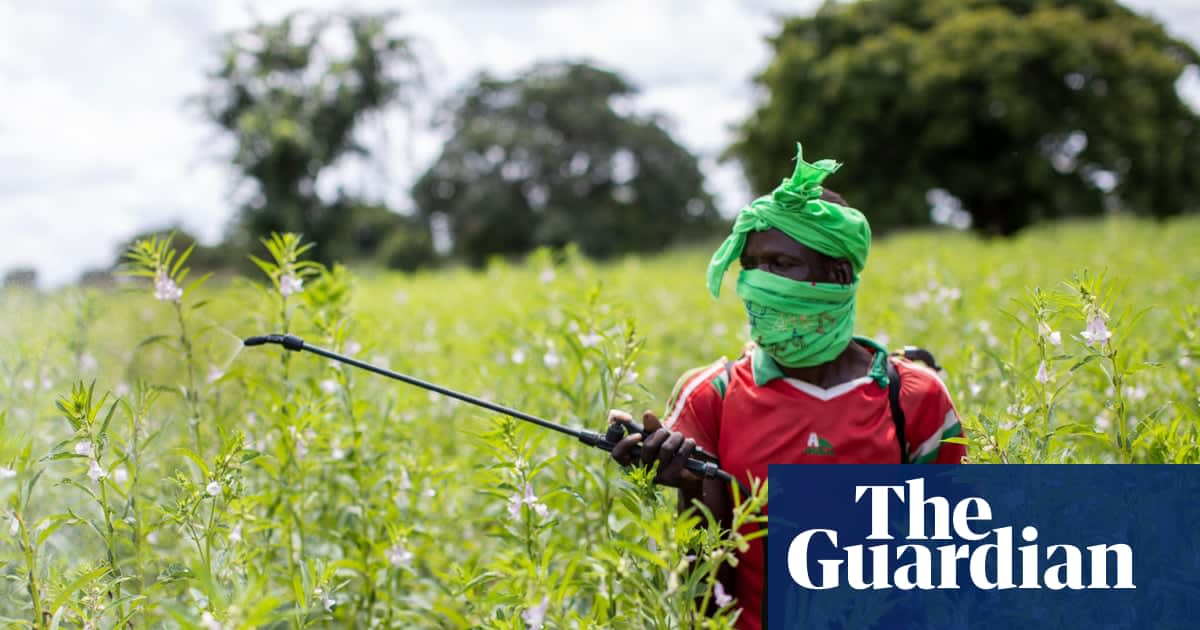
A comprehensive study reveals that nearly 46% of the world's farmers suffer from acute pesticide poisoning annually. The findings highlight an urgent global health crisis, particularly affecting agricultural workers in Asia and Africa.
The Hidden Global Crisis: Acute Pesticide Poisoning
A recent study commissioned by the Pesticide Action Network has unveiled a harrowing reality for the global agricultural workforce. By analyzing publicly available data spanning from 2006 to 2023, researchers have determined that approximately 402 to 433 million instances of unintentional acute pesticide poisoning occur every single year. Given that the global farming population is estimated at 934 million, this suggests that nearly 46% of all farmers and farm workers are suffering from pesticide-related toxicity annually, marking a significant public health concern.
Regional Disparities and High-Risk Zones
The data highlights a stark geographical divide in the incidence of these poisonings. Southern Asia, south-east Asia, and east Africa have been identified as the regions with the highest estimated number of cases. These areas often rely heavily on labor-intensive agricultural practices where protective measures may be inadequate, inaccessible, or poorly understood. The concentration of poisoning cases in these regions underscores the urgent need for localized educational interventions and improved safety protocols.
The Case of Burkina Faso
Among the nations studied, Burkina Faso in west Africa presents a particularly alarming statistic, with an incidence rate of nearly 84% among farmers and farm workers. This extreme prevalence suggests that in certain regions, pesticide poisoning has become an almost inevitable occupational hazard rather than an occasional accident. Such high figures point toward deep-seated systemic issues, potentially involving the lack of regulatory oversight, the use of highly hazardous substances, and a severe shortage of personal protective equipment (PPE).
Broader Implications for Global Agriculture
The implications of these findings extend far beyond individual health. Acute poisoning incidents result in lost productivity, increased strain on local healthcare systems, and long-term socioeconomic instability for rural communities. When nearly half of the agricultural workforce is subjected to chemical toxicity, the sustainability of global food production systems is called into question. The reliance on chemical pest control methods, if managed without rigorous safety standards, threatens the very people responsible for global food security.
Future Trends and Policy Necessity
Looking forward, the data from 2006-2023 serves as a critical baseline that necessitates immediate policy shifts. Future trends suggest that without significant changes—such as stricter regulation of hazardous chemicals, the promotion of integrated pest management (IPM), and the implementation of mandatory safety training—these numbers will likely remain stagnant or grow as agricultural intensification continues in developing nations. Addressing this crisis requires a coordinated effort between international health organizations, governments, and the agricultural industry to prioritize the safety of the workforce above yield-centric metrics.
Conclusion
In summary, the findings provide an undeniable wake-up call regarding the safety standards in the global agricultural sector. With almost half of the world's farmers affected by acute pesticide poisoning each year, the situation represents a systemic failure to protect the individuals who provide the world’s sustenance. Transitioning toward safer farming practices and ensuring the widespread availability of protective measures are no longer optional, but essential steps in safeguarding human health and agricultural integrity.