Meghna Gulzar says her failures, years of no work left parents Gulzar, Rakhee ‘helpless’
Source Entity
The Indian Express
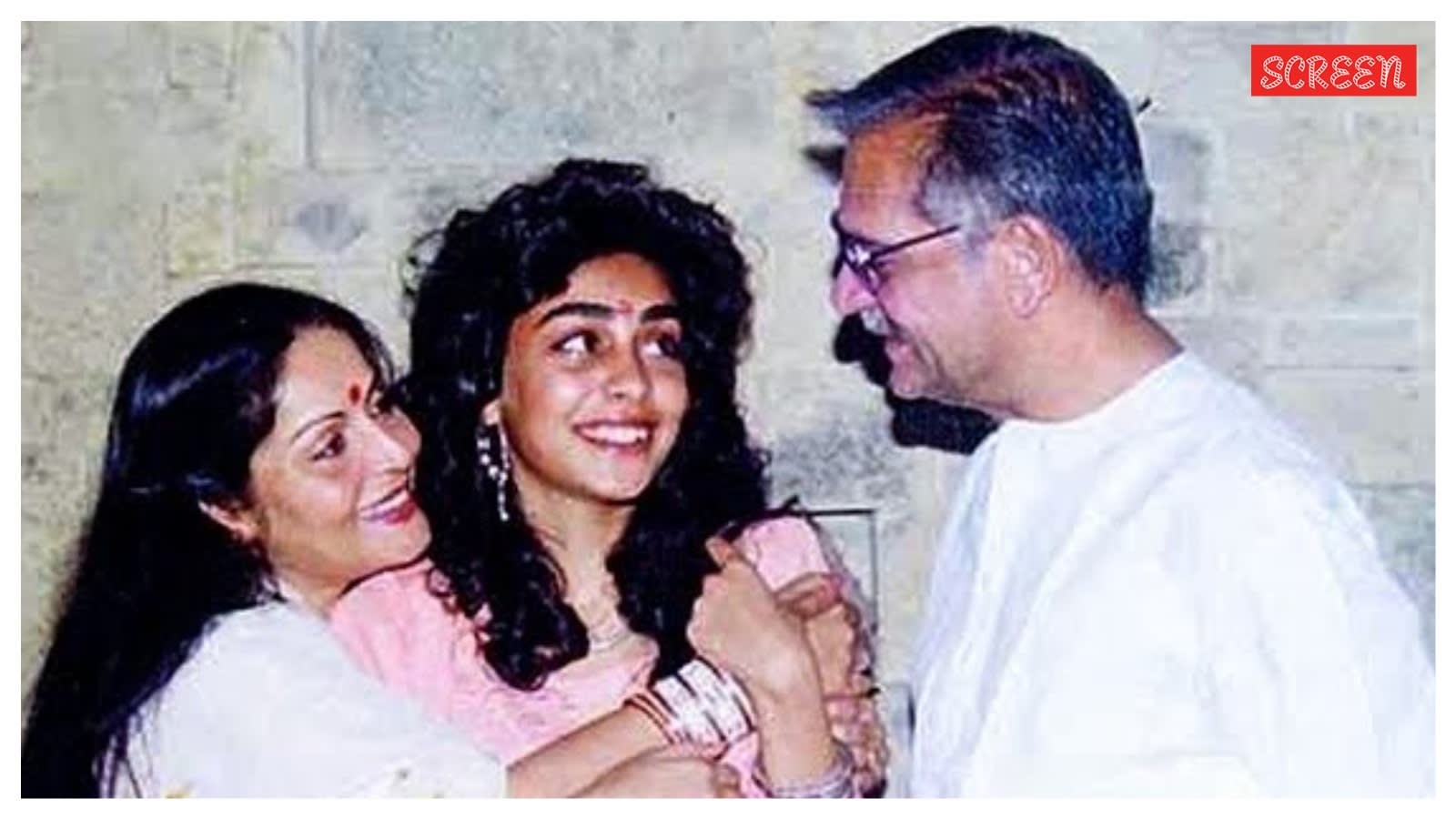
Filmmaker Meghna Gulzar reflects on the early career challenges she faced despite her parents' legendary status in Indian cinema. She also discusses her upcoming project 'Daayra,' emphasizing the persistent relevance of stories concerning crimes against women.
The Legacy and Struggle of Meghna Gulzar
Filmmaker Meghna Gulzar, daughter of the legendary poet and director Gulzar and the iconic actor Rakhee, has opened up about the profound professional challenges she faced early in her career. Despite coming from a lineage of immense cinematic success—with her father having secured seven National Awards and her mother being a celebrated veteran of the industry—Meghna’s initial foray into directing was not met with immediate acclaim. Her 2002 directorial debut failed to resonate with audiences, a period she describes as leaving her parents feeling "helpless" as they witnessed her struggle to find her footing in the competitive landscape of Indian cinema.
Foundations of a Filmmaker
Before her debut, Meghna Gulzar was far from inexperienced. She had served as an assistant director on her father’s 1996 National Award-winning political thriller, Maachis, and his 1999 swansong, Hu Tu Tu. Furthermore, she gained formal education in filmmaking at New York University and assisted the acclaimed director Saeed Akhtar Mirza. These foundational experiences provided her with a robust technical background, yet the transition to independent success proved difficult, underscoring the reality that in the film industry, pedigree does not guarantee an easy path to commercial or critical triumph.
The Weight of Expectations
For a filmmaker whose parents had already defined eras of Indian cinema, the pressure to succeed was undoubtedly immense. Her mother, Rakhee, had successfully transitioned from the leading lady roles of the 1970s to being a powerhouse character artist in the 1990s and 2000s, while her father had essentially retired from direction by the time Meghna began her own journey. This context reveals the emotional toll that a child's professional "failures" can take on parents, regardless of their own monumental achievements, as they watch their child navigate the same volatile industry.
The Persistent Relevance of 'Daayra'
In recent years, Meghna Gulzar has established a distinct voice through films like Raazi and Chhapaak. Her focus on complex social narratives continues with her interest in the project Daayra. First brought to her by Junglee Pictures in 2020, the project was put on the back burner as she prioritized the biographical war drama Sam Bahadur. However, Meghna maintains that the core message of Daayra remains timeless.
Analyzing Social Themes
Meghna Gulzar’s interest in Daayra stems from a desire to dissect the varying reactions of the police, the legal system, and the general public when confronted with crimes against women. By revisiting this narrative four years after it was first presented to her, she highlights the unfortunate, enduring relevance of these societal issues. Her approach suggests a commitment to using cinema as a tool for social commentary, moving beyond the personal struggle of her early career into a mature phase of thematic exploration.
Future Trends in Social Cinema
Looking ahead, Meghna Gulzar's trajectory indicates a shift toward projects that demand introspection on systemic failure. By choosing stories that address the friction between law and public perception, she is positioning herself as a filmmaker who prioritizes the "intention" of a story over mere box-office trends. This focus on long-term relevance, rather than fleeting popularity, is likely to define the next chapter of her career as she continues to build upon the lessons learned from her early years of industry hardship.