High Court strikes down Chandrababu Naidu’s 34% backward class quota for Andhra local polls
Source Entity
Sreenivas Janyala
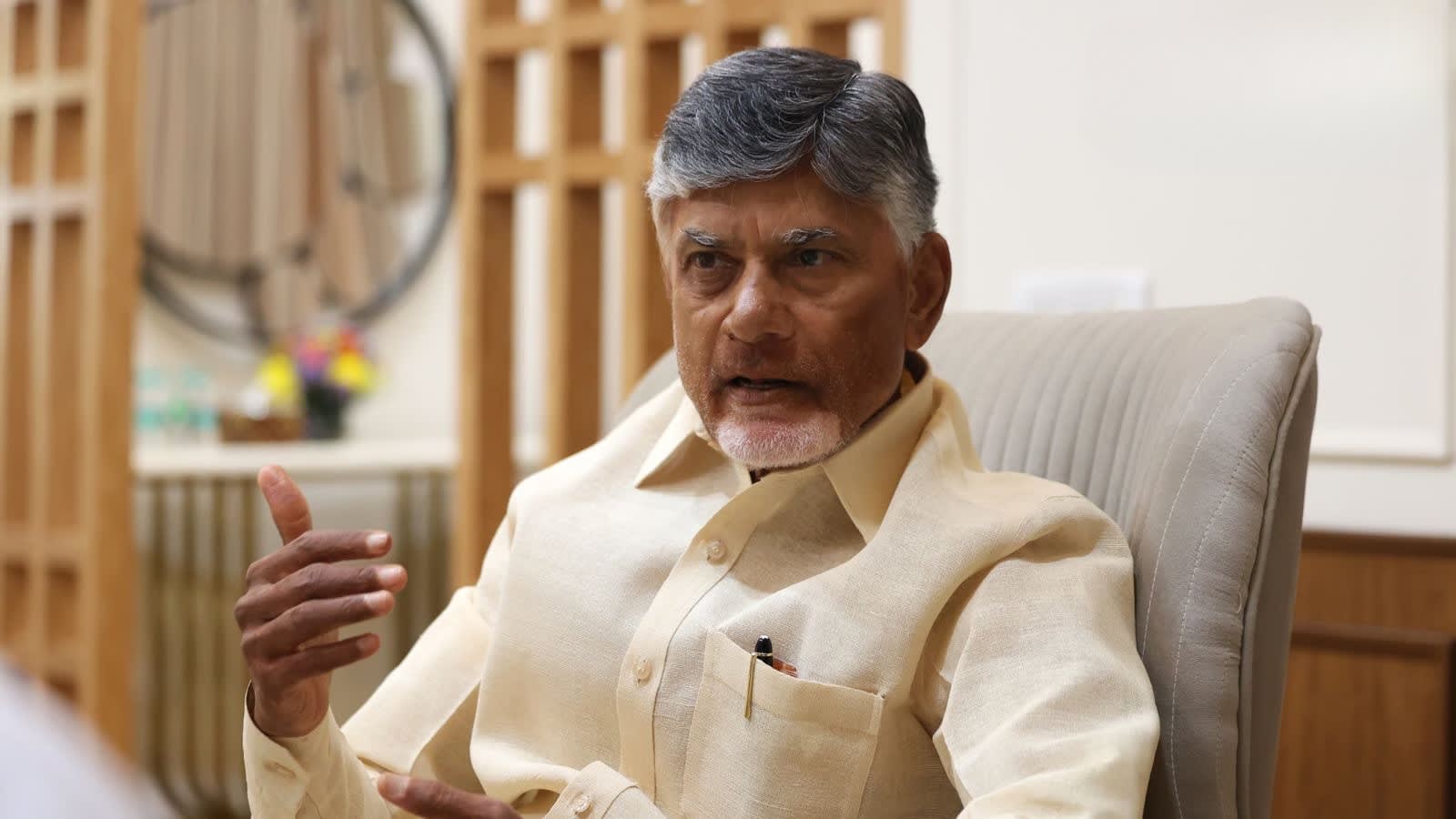
The Andhra Pradesh High Court has struck down a 34% reservation quota for Backward Classes in local polls for exceeding the 50% legal cap. Chief Minister Chandrababu Naidu plans to appeal this decision to the Supreme Court, accusing the opposition YSRCP of stalling the process.
Legal Setback for Andhra Pradesh Reservation Policy
The Andhra Pradesh High Court recently delivered a significant legal blow to the administration of Chief Minister N. Chandrababu Naidu by striking down two government orders that sought to implement a 34% reservation quota for Backward Classes (BCs) in local body elections. The court’s decision was rooted in established judicial precedent, specifically citing Supreme Court guidelines that mandate a strict ceiling on total reservations, which must not exceed 50%. This ruling effectively halts the state government's efforts to institutionalize this specific quota structure for the upcoming electoral cycle.
The Context of 'Correcting Injustice'
Chief Minister Naidu had championed the 34% quota as a cornerstone of his administration's social justice platform, publicly framing the policy as a necessary step to 'correcting injustice' against marginalized communities. By announcing this measure on August 18, the government aimed to bolster political representation for BCs at the grassroots level. However, the legal challenge filed by the YSR Congress Party (YSRCP) successfully argued that the state's proposed reservation architecture violated the constitutional limits set by the judiciary, creating a direct conflict between the government's policy goals and the existing legal framework.
Political Tensions and the YSRCP Factor
Following the verdict, the political landscape in Andhra Pradesh has become increasingly polarized. Chief Minister Naidu has openly blamed the YSRCP for the judicial intervention, alleging that the opposition party’s petitions were a deliberate attempt to obstruct the government's pro-BC agenda. This development marks a major setback for the Naidu administration, as the 34% reservation was not merely a policy preference but a core election promise intended to solidify support among key demographic groups ahead of the local polls.
The Path to the Supreme Court
Despite the High Court's ruling, the state government has signaled its intent to continue the legal battle. Chief Minister Naidu confirmed that the administration will appeal the decision in the Supreme Court. The timing of this legal impasse is particularly critical for the state, which is under pressure to conclude local body elections by October to ensure the release of essential Central funds. The judiciary has directed the State Election Commission to initiate the election process within six weeks, creating a tight timeline for the government to navigate these legal hurdles.
Future Implications for Governance
This ongoing dispute highlights the delicate balance between state-level populist mandates and the rigid constraints of national constitutional law. The outcome of the impending Supreme Court appeal will likely set a significant precedent for how states can manage reservation policies in local governance without breaching the 50% cap. As the government prepares for a higher court battle, the primary challenge remains reconciling the urgent need for local representation with the procedural requirements set by the judiciary, all while managing the fiscal consequences of potential delays in the election timeline.