Youth Congress-SFI violence: Keralam CM accuses CPI(M) of provoking clashes during protests against BJP
Source Entity
India Latest News: Top National Headlines Today & Breaking News | The Hindu
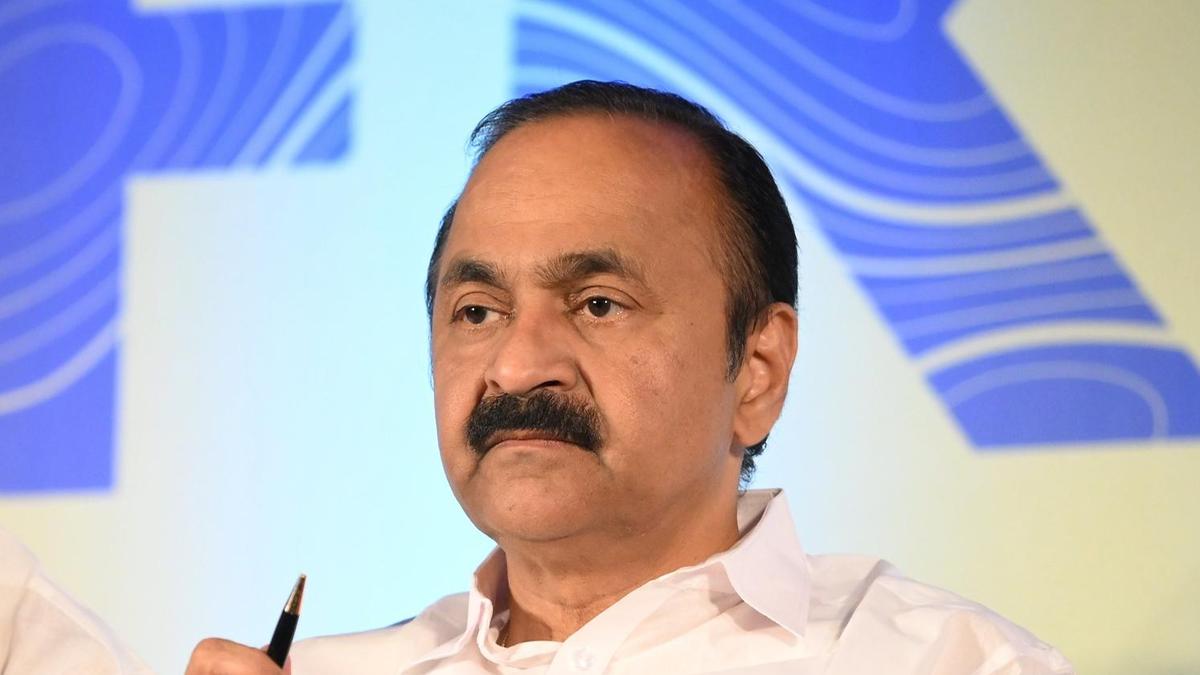
Tensions have escalated in Kerala as Youth Congress and CPI(M) youth wings engaged in violent clashes in Thiruvananthapuram and Kannur. The unrest follows protests against the Election Commission and the BJP, straining the fragile unity of the INDIA bloc.
Political Unrest in Kerala: A Deep Dive into Youth Wing Clashes
The Anatomy of the Conflict
Recent events in Thiruvananthapuram and Kannur have highlighted a significant breakdown in local-level cooperation between the Congress and the Communist Party of India (Marxist) [CPI(M)]. The violence, which saw the Palayam area of the state capital turn into a battleground, was triggered by a Youth Congress protest march targeting Chief Election Commissioner Gyanesh Kumar and the BJP. The situation escalated rapidly when CPI(M)’s student wing, the SFI, and later the DYFI, reportedly clashed with Congress activists, leading to property damage and physical confrontations.
The Paradox of INDIA Bloc Unity
These clashes occur against the backdrop of a broader national effort to maintain unity within the INDIA alliance. While the central leadership of these parties has been coordinating a unified national agitation against the BJP-led Union government, the ground reality in Kerala reveals a starkly different narrative. The public questioning by V.D. Satheesan regarding why the CPI(M) would feel 'distressed' over anti-BJP demonstrations points to a deep-seated ideological and electoral rivalry that transcends national-level tactical alliances.
Escalation in Kannur and Capital Tensions
The violence was not confined to the capital. In a significant escalation, the car of Youth Congress state president and Sports Minister O.J. Janeesh was targeted and damaged at multiple locations in Kannur. Such targeted attacks on high-profile political figures signify a dangerous shift from ideological disagreement to physical intimidation, suggesting that the local cadres remain deeply entrenched in the historically adversarial relationship between the two parties in Kerala.
The Role of Institutional Protests
The catalyst for this unrest—the demand for the resignation of Chief Election Commissioner Gyanesh Kumar—underscores the intensity of the current political climate. By directing their protests toward constitutional bodies, the Youth Congress has signaled a confrontational stance that clearly clashed with the CPI(M)’s territorial control in areas like the University College campus. The alleged use of improvised weapons, including reports of petrol bombs and stones, reflects an alarming trend of radicalization in student-led political discourse.
Implications and Future Outlook
The government has promised stern action, yet the recurring nature of these clashes suggests that institutional measures may be insufficient to bridge the gap between these two groups. As the INDIA bloc seeks to present a united front for upcoming political challenges, the Kerala theater remains a liability. If the leadership of both the Congress and the CPI(M) cannot rein in their youth wings, the resulting image of internal discord will likely undermine their broader national objectives, potentially alienating voters who seek stability and coherence in opposition politics.
Verification Required?