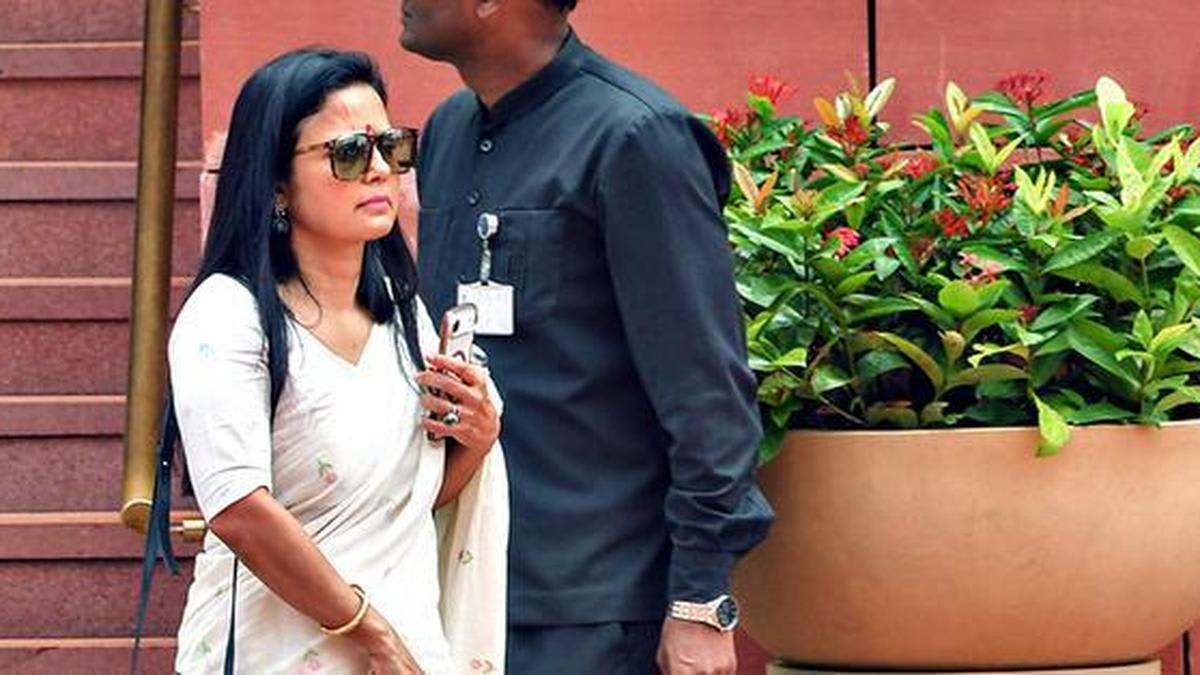
Calcutta HC extends security cover to TMC MP Mahua Moitra during constituency visits till November 30
Source Entity
India Latest News: Top National Headlines Today & Breaking News | The Hindu
The Supreme Court has declined to intervene in the freezing of four Trinamool Congress bank accounts, citing ongoing adjudication by the Calcutta High Court. The court emphasized that the matter remains tied to broader disputes regarding party recognition and symbols.
Supreme Court Denies Relief to TMC Faction on Bank Account Access
On October 1, 2026, the Supreme Court of India delivered a significant procedural ruling, declining to interfere with the Calcutta High Court’s previous decision to maintain a debit-freeze on four bank accounts belonging to the Mamata Banerjee-led Trinamool Congress (TMC) faction. The bench, comprised of Justices M.M. Sundresh and P.B. Varale, maintained that the judiciary should not bypass the established high court process while the legal merits of the case remain under active consideration.
The Intersection of Financial and Electoral Disputes
The core of this legal impasse lies in the complex relationship between political party finances and electoral status. The Supreme Court highlighted that the Election Commission of India (ECI) has frozen the party's official symbol, a move that serves as a precursor to broader questions regarding which faction holds legitimate title to the party's assets. Because the entitlement to these specific funds is intrinsically linked to the ongoing adjudication over political recognition, the bench concluded that it was premature to grant unilateral access to the frozen accounts.
Contextualizing the Freeze: The Land Allotment Probe
The bank accounts in question were placed under a debit-freeze as part of an ongoing investigation into a land allotment probe. This regulatory action underscores the heightened scrutiny political entities face when their financial operations intersect with broader corruption or administrative litigation. By freezing these assets, authorities are essentially preserving the status quo until the courts can determine the rightful control of these funds, preventing potential dissipation of assets during the heat of factional conflict.
Judicial Deference and Procedural Expediency
By refusing to exercise its jurisdiction under Article 136, the Supreme Court has demonstrated a commitment to judicial hierarchy. The apex court noted that the Calcutta High Court had already heard initial arguments and scheduled further proceedings for a post-Puja holiday timeline. Rather than overriding this schedule, the Supreme Court opted to request an expedited hearing at the high court level, effectively pushing for a resolution within the lower judicial framework rather than assuming direct control over the dispute.
Broader Implications for Political Parties
This case serves as a stark reminder of the legal vulnerabilities political factions face during internal leadership splits. When an organization's identity, symbolized by its ECI-sanctioned name and logo, is in flux, its financial stability often becomes collateral damage. The ECI’s recent decision to allocate the name “Mamata All India Trinamool Congress” to the faction adds another layer of complexity to the legal landscape, as the courts must now balance the faction's operational needs against the unresolved nature of their corporate and political standing.
Future Trends in Political Litigation
Looking ahead, this ruling suggests that Indian courts will continue to prioritize the resolution of core electoral recognition disputes before addressing ancillary financial matters. As political factionalism becomes increasingly litigious, parties must prepare for prolonged periods of financial restriction during legal challenges. Future trends indicate that the judiciary will likely favor status-quo orders in financial disputes involving political entities until the Election Commission provides finality on the status of the competing factions.
Multiple Citing Sources
Verification Required?