Krishna district records 79.77% voter turnout in panchayat polls
Source Entity
India Latest News: Top National Headlines Today & Breaking News | The Hindu
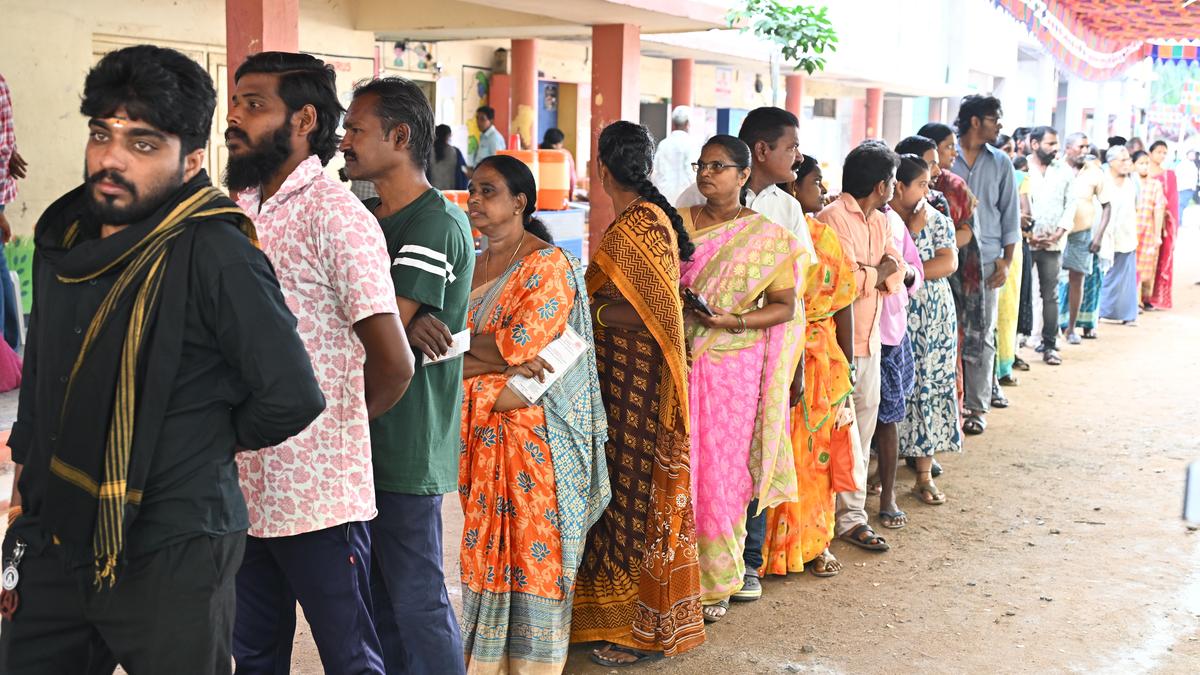
Andhra Pradesh recently held elections for 23 Urban Local Bodies and over 3,000 Gram Panchayats, seeing high voter turnout despite some reports of violence. The polls, which involved nearly 25 lakh voters, set the stage for crucial local governance results expected on November 30.
Andhra Pradesh Local Body Elections: A Comprehensive Overview
The recent electoral exercise in Andhra Pradesh, covering 23 Urban Local Bodies (ULBs) and 3,240 Gram Panchayats, represents a significant moment for grassroots democracy in the state. With approximately 24.98 lakh voters eligible to participate across 964 wards, the scale of this election highlights the importance of local administrative control in the region. The process, overseen by State Election Commissioner Anil Chandra Punetha, involved 2,968 candidates competing for positions, including four Municipal Corporations and 19 Municipalities and Nagar Panchayats.
High Voter Participation and Engagement
One of the most notable features of these elections was the robust voter turnout. While ULBs recorded a tentative polling percentage of 62.50%, the Gram Panchayat elections saw even higher engagement, reaching 74.67%. In specific regions like Krishna district, the enthusiasm was even more pronounced, with an overall turnout of 79.77% across six mandals. Gudivada mandal notably led the participation metrics, with an impressive 86.27% turnout. Such high engagement suggests a deeply mobilized electorate keen on influencing local development and service delivery.
Challenges in Election Conduct
The polling process was not without administrative and security hurdles. The district administration in Krishna had to issue show-cause notices to 280 employees who were absent from their assigned election duties without authorization. This highlights the logistical complexities involved in managing large-scale local elections and the strict requirements for staffing thousands of polling stations simultaneously.
Security Concerns and Political Tensions
Despite the peaceful commencement of voting, the day was marred by sporadic incidents of violence, particularly in the Rayalaseema region. Tensions escalated in areas such as Ahobilam in Nandyal district, where clashes between YSRCP supporters and other factions led to stone-pelting, vehicle damage, and injuries. These confrontations, often attributed to allegations of procedural irregularities, reflect the heightened political stakes between the ruling party and the opposition, including the NDA cadre.
Broader Implications for Governance
These elections serve as a bellwether for political sentiment in Andhra Pradesh. Past discourse from leaders like Chandrababu Naidu suggests that local election outcomes are often viewed as a referendum on the government's ability to deliver essential services. The state government’s push to increase incentives for villages that elect Gram Panchayats unanimously further underscores a strategic effort to influence the nature of local leadership and potentially streamline governance structures.
Conclusion and Future Outlook
As the state awaits the official vote count scheduled for November 30, the focus shifts to the potential impact these results will have on local policy implementation. The combination of high voter turnout and the reported clashes indicates a highly polarized political landscape. The administrative challenges faced during polling, combined with the intense competition for the four Mayor and 19 Chairperson posts, underscore that the results will likely shape the political momentum within the state in the immediate term.
Multiple Citing Sources
Verification Required?