NTR district registers 75.83% voter turnout in panchayat elections
Source Entity
India Latest News: Top National Headlines Today & Breaking News | The Hindu
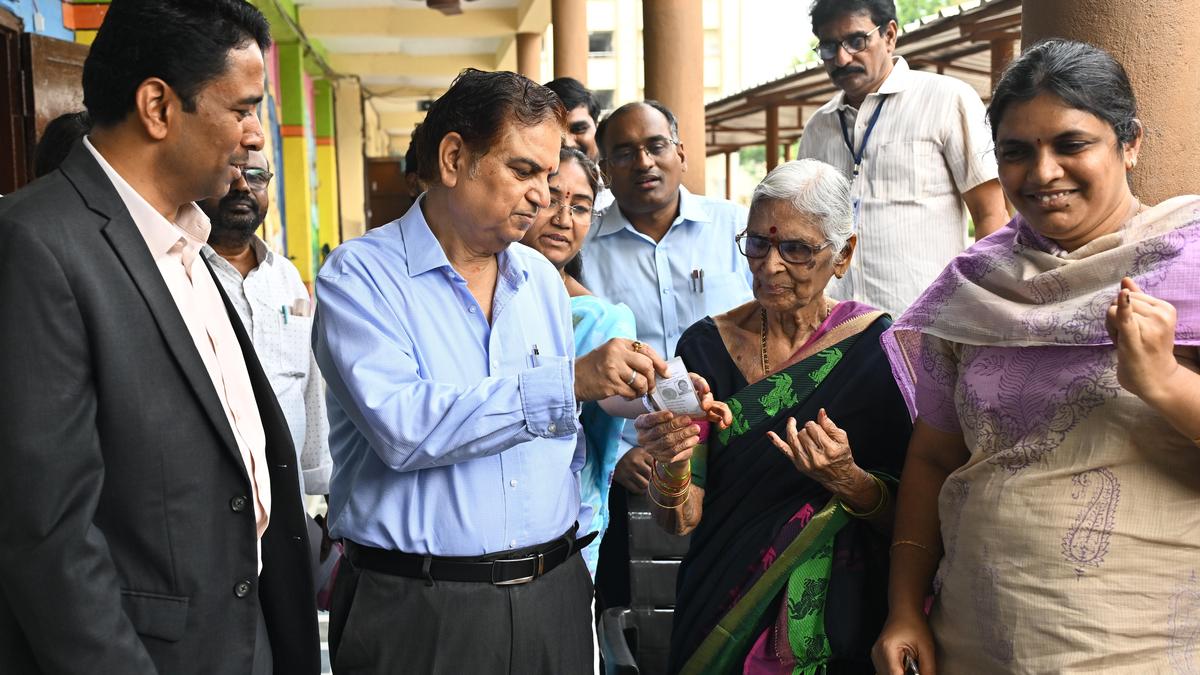
Andhra Pradesh recently conducted elections for 23 Urban Local Bodies and over 3,000 Gram Panchayats amid high voter turnout. While the process saw significant public engagement, reports of sporadic violence and political clashes between NDA and YSRCP cadres emerged in certain regions.
Andhra Pradesh Local Body Elections: A Comprehensive Overview
The democratic process in Andhra Pradesh recently reached a significant milestone as voters across the state participated in elections for 23 Urban Local Bodies (ULBs) and 3,240 Gram Panchayats. This electoral exercise involved a massive logistical undertaking, with 24.98 lakh voters registered to cast their ballots for 964 ward seats in the ULBs alone. The sheer scale of the event, involving 2,968 candidates for the ULBs and thousands more in the rural panchayat segments, underscores the importance of grassroots governance in the state's political landscape.
High Voter Turnout and Civic Participation
Public enthusiasm was a defining feature of these polls, with the State Election Commission reporting a tentative 62.50% turnout for the ULBs and an impressive 74.67% for the Gram Panchayats. Specific regions like the NTR district saw even higher engagement, recording a 75.83% turnout across 72 panchayats. This robust participation rate reflects a deeply entrenched culture of local-level political engagement, where citizens view the election of municipal and panchayat representatives as a direct mechanism to influence local development and resource allocation.
Regional Tensions and Electoral Security
Despite the successful turnout, the polling day was marred by sporadic incidents of violence, particularly in the Rayalaseema region. Clashes between cadres of the NDA and YSRCP were reported in various areas, with a notable incident in Ahobilam, Nandyal district, involving stone-pelting and vehicle damage. These confrontations highlight the high-stakes nature of local body elections in Andhra Pradesh, where political parties often perceive these polls as a bellwether for broader public sentiment and a test of their organizational strength at the booth level.
The Administrative and Political Stakes
For the 23 ULBs, which include major municipal corporations such as Kakinada, Mangalagiri-Tadepalli, Rajamahendravaram, and Srikakulam, the stakes are centered on the election of four Mayors and 19 Chairpersons. The government’s recent emphasis on incentivizing unanimous elections for Gram Panchayats suggests a policy push toward consensus-based local governance, though the competitive nature of these polls indicates that political polarization remains a potent force. The results, expected on November 30, will be closely analyzed by political observers to gauge the current political climate.
Broader Implications for Governance
Local body elections serve as the bedrock of decentralization in India. By electing representatives at the municipal and panchayat levels, the state aims to bring decision-making closer to the populace. The performance of these bodies directly impacts essential services, infrastructure, and rural development. As the state awaits the counting of votes, the focus will shift toward how the elected representatives navigate the challenges of urban management and rural welfare in an increasingly competitive political environment.
Looking Ahead: Policy and Stability
As the electoral cycle concludes, the focus must transition to the stability of these local bodies. The government’s strategy of promoting unanimous elections, contrasted with the intense competition seen in these polls, reveals a complex dynamic in local governance. The upcoming results will not only determine the leadership of these 23 ULBs and the various panchayats but will also set the tone for future administrative policy in the state, potentially influencing how the ruling and opposition parties calibrate their strategies for future electoral challenges.
Multiple Citing Sources
Verification Required?