How a former DeepMind researcher raised at a $300M pre-seed valuation before launching a product
Source Entity
Maggie Nye
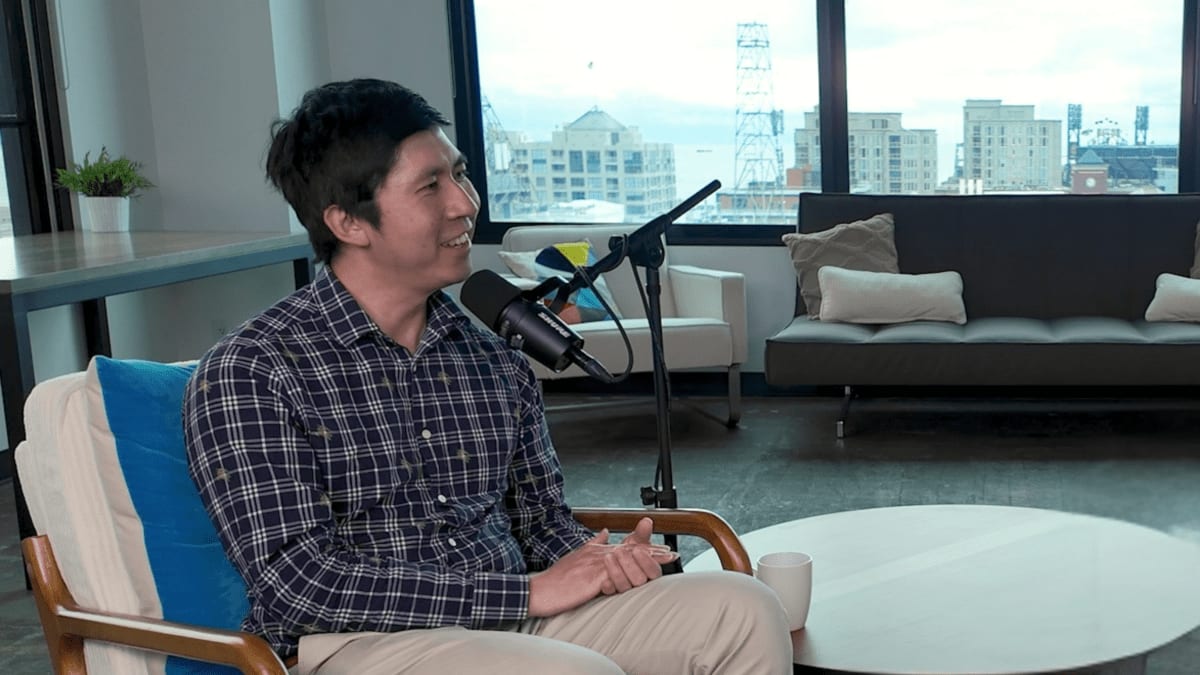
Andrew Dai, a former DeepMind researcher whose foundational work informed the development of ChatGPT, has secured a $300 million pre-seed valuation to launch a new venture focused on the frontier of visual AI.
The Era of the 'Pedigree' Startup: Andrew Dai and the $300M Pre-Seed
In an unprecedented display of investor confidence, Andrew Dai, a former researcher at Google DeepMind, has raised funding at a staggering $300 million pre-seed valuation. This event underscores a pivotal shift in the venture capital landscape, where the 'pedigree' of a founder—specifically their contribution to foundational AI breakthroughs—now outweighs the traditional requirement of having a launched product or proven revenue stream. Dai's background is not merely impressive; it is foundational. Having spent over a decade contributing to the systems that paved the way for the current generative AI revolution, including research that informed ChatGPT, Dai represents the rare tier of AI architects who possess the theoretical knowledge to build the next generation of intelligence.
The Shift Toward Visual AI Frontiers
While the world has been captivated by the linguistic capabilities of Large Language Models (LLMs), Dai is pivoting the focus toward visual AI. This strategic move suggests that the industry is reaching a plateau in text-only intelligence and is now aggressively pursuing multimodality. Visual AI is not simply about image generation or recognition; it is about creating systems that can perceive, reason, and interact with the physical world in a way that mirrors human cognition. By focusing on this frontier, Dai is positioning his venture to solve some of the most complex challenges in AI, such as spatial reasoning and real-time visual understanding, which are essential for the next leap toward Artificial General Intelligence (AGI).
Analyzing the Economic Anomaly of Pre-Seed Valuations
From a traditional financial perspective, a $300 million valuation for a company without a product is an anomaly. However, in the current AI arms race, this is a 'talent-acquisition' play. Investors are effectively betting on the individual's intellectual property and their ability to attract other top-tier researchers. The scarcity of individuals who have actually scaled the systems used by millions—like those at DeepMind—has created a hyper-competitive market. This valuation reflects the belief that the cost of not backing a founder of Dai's caliber is higher than the risk of the capital investment, as the potential upside of a breakthrough in visual AI could be worth tens of billions of dollars.
Historical Context: From DeepMind to Independent Innovation
DeepMind has long been the epicenter of AI breakthroughs, from AlphaGo to AlphaFold. The transition of elite researchers from DeepMind to the startup ecosystem is a recurring theme that has historically fueled the broader tech economy. By leveraging a decade of experience within one of the world's most resource-rich AI labs, Dai is now attempting to apply those institutional lessons in a leaner, more agile environment. This trend highlights a growing preference among top scientists to move away from the constraints of Big Tech conglomerates to pursue high-risk, high-reward research that can be iterated upon more rapidly.
Broader Implications for the AI Ecosystem
The scale of this funding suggests that the 'moat' for new AI companies is shifting from data access to specialized human expertise. As the barrier to entry for basic LLM applications drops due to open-source models, the real value is migrating toward specialized domains like visual AI. If Dai succeeds, it will likely trigger a wave of similar 'talent-first' funding rounds, further inflating the valuations of former researchers from OpenAI, DeepMind, and Meta. This could lead to a bifurcated startup ecosystem: one consisting of product-led companies and another consisting of research-led 'powerhouses' that operate more like venture-backed laboratories.
Conclusion and Future Outlook
Andrew Dai's venture marks a significant milestone in the evolution of artificial intelligence, signaling a transition from the 'chat' era to the 'visual' era. The massive pre-seed valuation is a testament to the immense value placed on the architects of the current AI boom. As Dai begins to translate his research into a tangible product, the industry will be watching closely to see if visual AI can deliver the same transformative impact as the LLMs of the previous few years. The success of this venture will not only define Dai's legacy but will also validate the current venture capital thesis that elite talent is the most valuable asset in the race for AGI.