Andrey Zvyagintsev believes filmmakers know what the audience wants — not executives
Source Entity
May Jeong
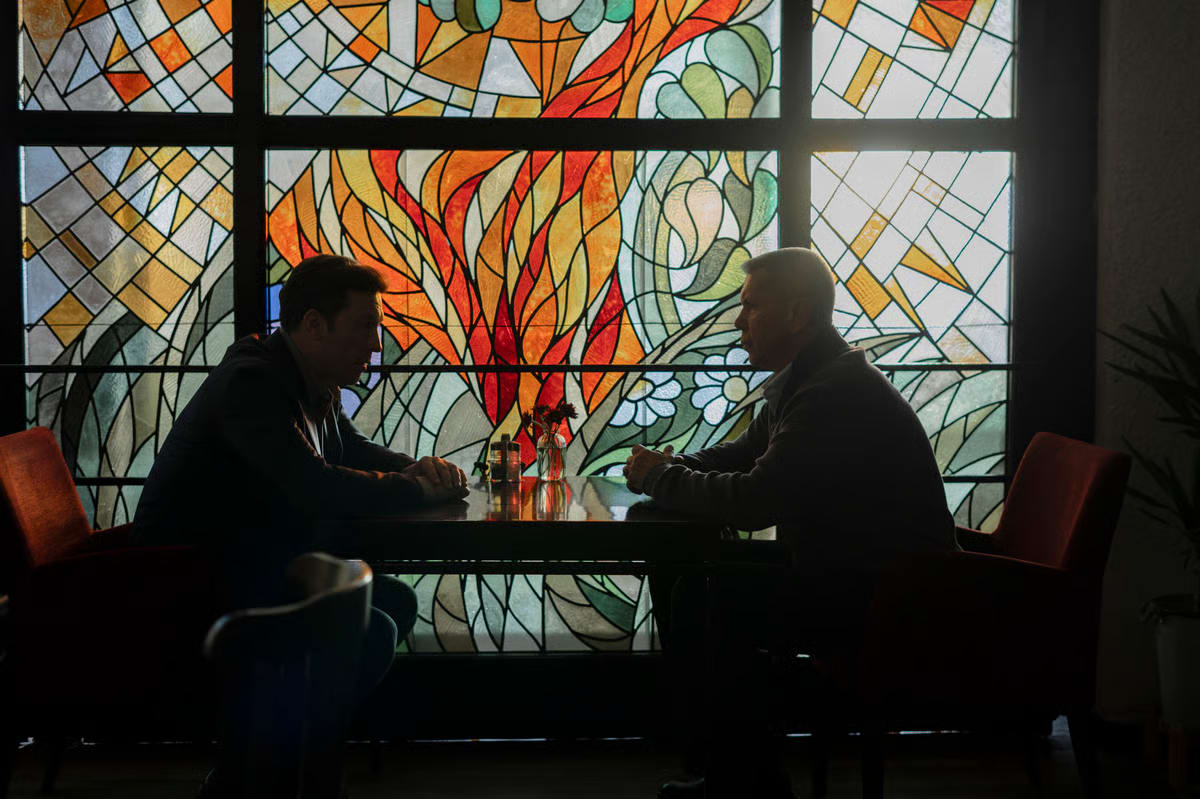
Andrey Zvyagintsev's film 'Minotaur' explores the intersection of domestic drama and the 2022 Russian military draft. The director argues that filmmakers, rather than executives, possess the true insight into audience desires.
The Intersection of Domestic Turmoil and Geopolitics
Andrey Zvyagintsev’s 2022 project, Minotaur, serves as a poignant reflection of a nation in crisis, anchoring its narrative in the fictional town of Krasoborsk. By setting the film against the backdrop of Vladimir Putin’s announcement of a military draft, Zvyagintsev creates a high-stakes environment where personal lives are inexorably shaped by state-mandated upheaval. The film explores the quiet desperation of a couple, Gleb and Galina, whose internal struggles are forced to coexist with the external pressures of a shifting geopolitical landscape.
Narrative Structure and Adaptation
Minotaur is a deliberate adaptation of Claude Chabrol’s 1969 classic, The Unfaithful Wife. While Chabrol’s original title telegraphs the central conflict of marital betrayal, Zvyagintsev opts for a title that implies a more labyrinthine, perhaps inescapable, sense of doom. The film masterfully utilizes domestic noir tropes to highlight the mundane nature of infidelity—exemplified by Galina’s subtle, phone-lit smile—contrasting it sharply with the cold, bureaucratic demands of the state.
The Convergence of Noir and Bureaucracy
As the narrative progresses, the lines between personal drama and workplace obligations blur. Gleb, who operates a private contracting concern, finds himself tasked with the grim duty of recruiting soldiers to fulfill official quotas. This evolution shifts the film from a standard domestic drama into a biting critique of how individual citizens are co-opted into the machinery of state policy. The resulting tension is described as devastating and darkly funny, reflecting the absurdity of maintaining a 'normal' life during a period of mass mobilization.
The Filmmaker vs. The Executive
At the heart of Zvyagintsev’s philosophy is the belief that genuine cinematic resonance comes from the vision of the filmmaker, not the market-tested calculations of studio executives. By focusing on the specific, intimate grievances of his characters, Zvyagintsev argues that directors are better equipped to understand what an audience truly seeks—emotional truth rather than sanitized entertainment. This perspective challenges the industry standard of prioritizing commercial appeal over authentic storytelling.
Future Implications for Russian Cinema
The thematic weight of Minotaur suggests a growing trend in contemporary cinema where filmmakers act as cultural archivists of volatile times. As directors navigate the constraints of political climates, the reliance on allegory and domestic adaptation allows for social commentary that bypasses direct confrontation while remaining deeply impactful. Zvyagintsev’s work serves as a benchmark for how directors can maintain artistic integrity while addressing the complexities of the modern world.