Burnham tells cabinet to tackle living costs at first meeting
Source Entity
BBC News
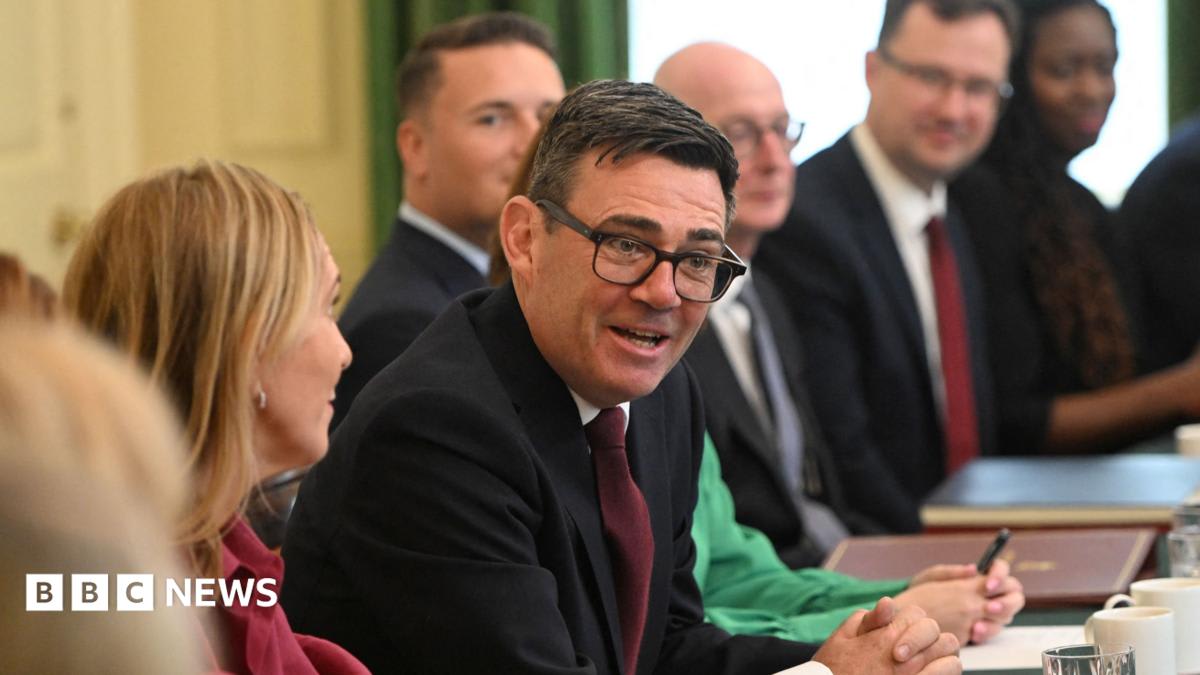
Newly appointed Prime Minister Andy Burnham has launched his administration with a pledge to cut VAT on household electricity bills. The policy has already sparked internal friction, with former Starmer ally Darren Jones questioning the funding strategy.
The Rapid Ascent of Andy Burnham
Andy Burnham has assumed the premiership with a clear directive to prioritize the cost of living, marking his first full day in office with a significant fiscal intervention. By announcing a reduction in VAT on household electricity bills effective from October 1, Burnham is signaling an immediate departure from the previous administration's policy trajectory. This move is designed to offer rapid, tangible relief to households, framing his tenure as a 'cost of living government' that aims to restore public confidence through swift economic action.
The Funding Controversy
The central tension in this early policy rollout concerns the mechanism used to finance the tax cut. The government intends to offset the estimated £850 million cost of the VAT reduction by reallocating £1.8 billion previously earmarked for Sir Keir Starmer’s digital ID scheme. This decision has immediately invited scrutiny, most notably from Darren Jones, the former Chief Secretary to the Prime Minister. Jones’s vocal skepticism regarding the sustainability of this funding model suggests that Burnham’s rapid policy implementation may face significant internal friction from those aligned with the previous leadership.
Cabinet Reshuffling and Strategic Shifts
Burnham’s first 24 hours have been characterized by a high-velocity approach, including the dismissal of several key Starmer allies. The appointment of John Healey as Chancellor of the Exchequer serves as a cornerstone of this new administration’s strategy. Healey’s selection was widely perceived as a surprise, signaling that Burnham is willing to break with established alliances to curate a cabinet that aligns with his specific economic vision. This flurry of activity underscores a desire to establish a distinct political identity almost immediately upon entering Number 10.
Internal Dissent and Political Stability
The rapid transition has not been without its challenges, particularly regarding party cohesion. The criticism leveled by Darren Jones, occurring mere hours after his departure from a senior role, highlights the potential for a period of instability within the Labour ranks. While the Conservative opposition has expressed support for the VAT cut, the internal debate over funding suggests that the government may struggle to maintain a unified front as it navigates the complexities of reversing long-term projects like the digital ID scheme.
Future Implications and Economic Strategy
Looking ahead, the success of Burnham’s administration will likely hinge on his ability to balance these aggressive, short-term relief measures with long-term fiscal responsibility. The reliance on scrapping previous initiatives to fund current mandates creates a precedent that will be closely watched by both political allies and market observers. If the administration can prove that the reallocated funds are sufficient and that the digital ID scheme was indeed an expendable cost, Burnham may secure a much-needed early victory. However, continued pushback from former ministers could complicate his legislative agenda and provide ammunition for those calling for a snap election.
Multiple Citing Sources