Anne Carson’s dry humour shines in first interview after Nobel win: ‘I have no answers’
Source Entity
Latest News: Todays Latest News Headlines from India & World | Hindustan Times | Hindustan Times
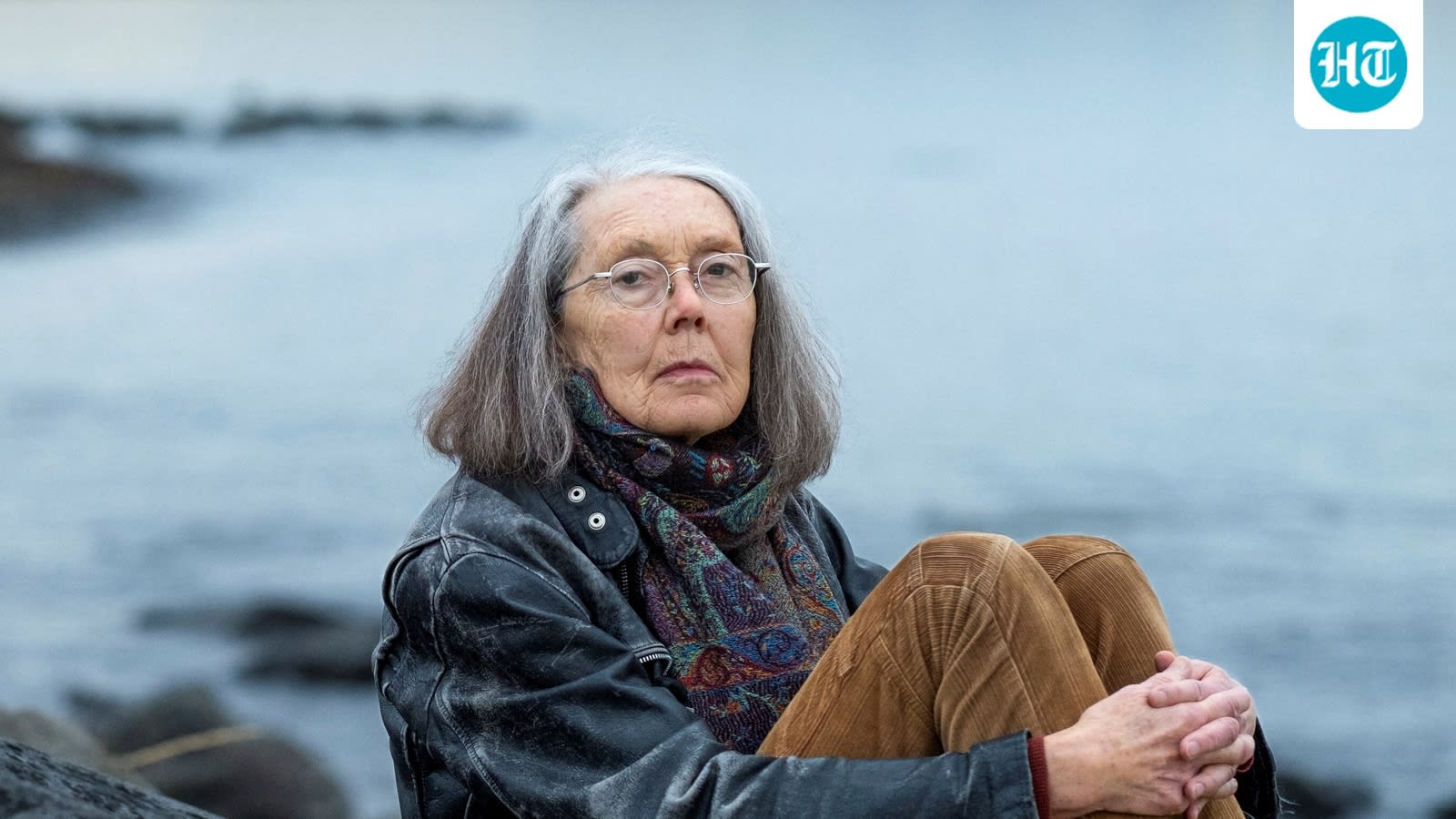
Canadian poet and academic Anne Carson has been awarded the 2026 Nobel Prize in Literature. The Swedish Academy recognized her for her bold, inventive contributions that bridge classical traditions with modern literary forms.
A New Chapter in Literary History: Anne Carson Wins the 2026 Nobel Prize
The Swedish Academy has officially announced that the 2026 Nobel Prize in Literature has been awarded to the Canadian poet, essayist, and scholar Anne Carson. Celebrated for her "bold and inventive" body of work, Carson’s selection highlights a shift in the Academy’s focus toward authors who effectively dismantle the traditional barriers between genres. Born in Toronto in 1950, Carson has spent her career crafting a unique voice that synthesizes classical scholarship with experimental contemporary prose and poetry.
Breaking Boundaries: The Mechanics of Carson’s Prose
Anders Olsson, chairman of the Nobel committee, praised Carson for her ability to move beyond lyrical poetry tied strictly to the "narrative self." Her work is defined by a playful, ironic, and intellectual fluidity that allows her to traverse the gap between ancient Greek mythology and modern existential experience. By deconstructing the rigidity of form, Carson has created new templates for contemporary literature, influencing a generation of writers who seek to blend academic rigor with creative expression.
From Classical Foundations to Modern Innovation
Carson’s career is deeply rooted in her background as a classicist. Her 1986 debut, Eros the Bittersweet, set the stage for her future trajectory by weaving literary criticism with a profound exploration of human desire. This synthesis of the ancient and the personal defines much of her bibliography, most notably in her 1998 work, Autobiography of Red. In this novel-in-verse, Carson reimagined the myths of the ancient poet Stesichorus, proving that classical fragments could serve as a vibrant, living foundation for modern storytelling.
A Moment of Quiet Celebration
Reflecting the contemplative nature of her writing, the announcement of her win was met with a characteristic sense of serenity. Ingrid Carlberg, permanent secretary of the Swedish Academy, revealed that she reached Carson in Iceland, where the author was simply "listening to the wind." Despite the magnitude of the recognition, the moment was described as a genuine, quiet surprise that brought immediate happiness to the author.
Global Implications and Future Trends
This award places Carson in the ranks of recent Nobel laureates like László Krasznahorkai, whose work also challenged traditional narrative structures. By honoring Carson, the Swedish Academy continues its trend of elevating writers who treat literature as a multi-disciplinary art form. As the literary world moves further into an era of genre-fluidity, Carson’s success serves as a blueprint for how writers can engage with history without being confined by it, ensuring that the classical tradition remains a vital, evolving component of the modern cultural landscape.
Verification Required?