India condemns attacks on commercial ships and seafarers in Gulf, Black Sea
Source Entity
Latest News: Todays Latest News Headlines from India & World | Hindustan Times | Hindustan Times
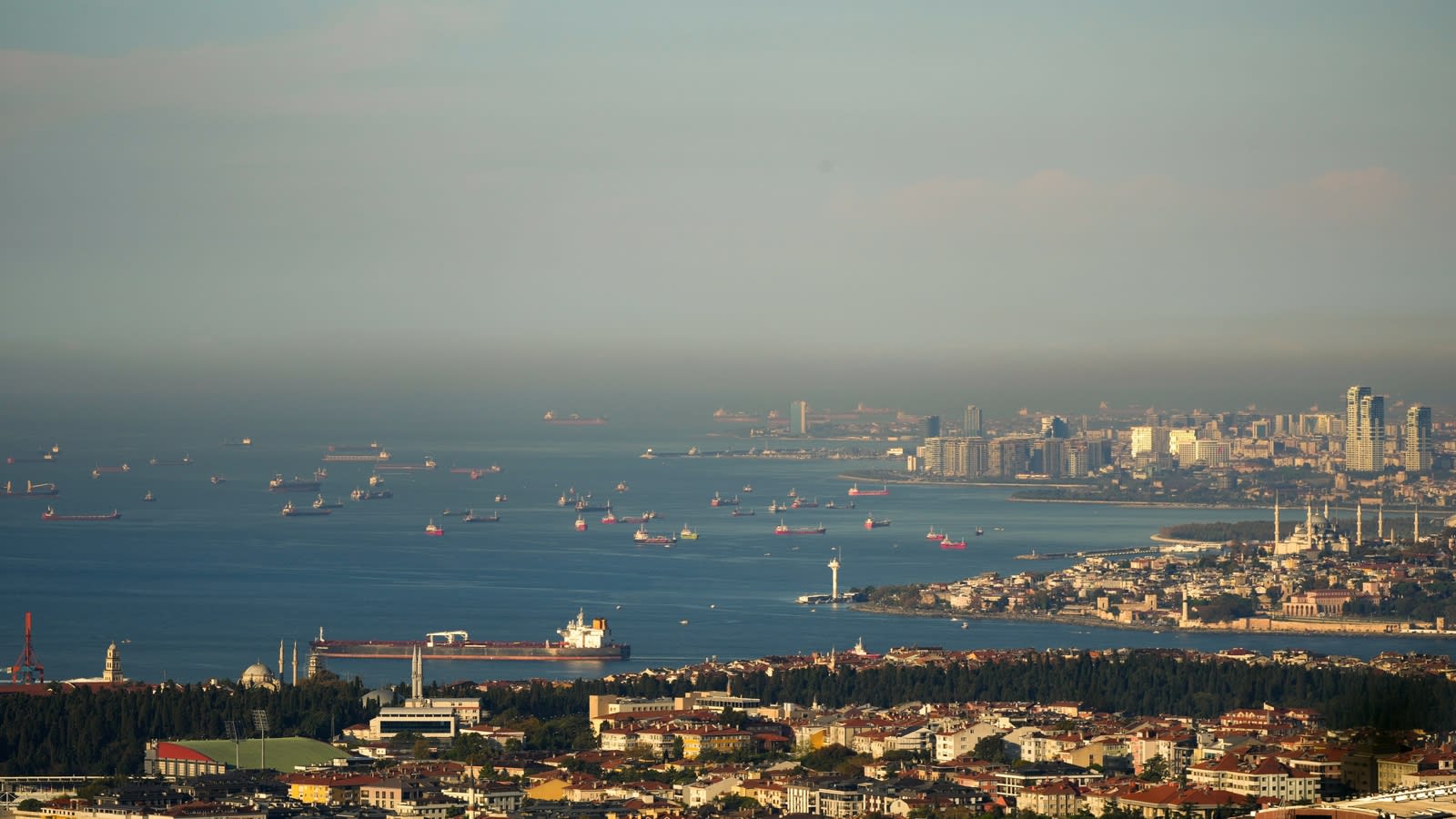
India and Liberia have issued a joint condemnation of attacks on commercial shipping in the Gulf and Black Sea. As co-chairs of a UN group, they are calling for immediate action to protect seafarers and global trade routes.
India and Liberia Address Global Maritime Security
In a significant diplomatic move, India and Liberia have formally issued a joint statement condemning the recent surge in attacks against commercial vessels and their crews. These incidents, occurring in critical maritime corridors including the Gulf and the Black Sea, have drawn sharp criticism from the two nations, who characterize the violence as "simply indefensible." This collaboration highlights a growing concern among maritime nations regarding the safety of the global supply chain.
The Role of the UN Group of Friends
The joint statement carries weight because both nations serve as co-chairs of the United Nations' Group of Friends on Safety & Security of Shipping & Seafarers. By leveraging this platform, India and Liberia are attempting to galvanize international consensus on the protection of merchant sailors. The group's mandate focuses on ensuring that the high seas remain a safe space for commerce, free from the threat of geopolitical conflict or targeted aggression.
Economic Implications of Maritime Disruption
The condemnation underscores the severe economic reality of these attacks. The Gulf and the Black Sea are vital arteries for international trade, facilitating the movement of energy resources, food supplies, and industrial goods. By disrupting these routes, attackers not only endanger the lives of innocent crew members but also introduce volatility into global markets, potentially driving up costs for consumers and businesses alike.
A Call for Global Coordination
India and Liberia’s appeal for "greater coordination" is a direct call to action for the international community. Maritime security is inherently a collective responsibility, yet the current instability in these regions has tested the limits of existing international maritime law. The joint statement serves as a diplomatic signal that individual national efforts are insufficient and that a more cohesive, multi-lateral security framework is required to deter future hostilities.
Future Trends in Maritime Safety
Looking ahead, the stance taken by India and Liberia suggests that the safety of seafarers will likely become a more prominent feature of future UN debates. As global trade becomes increasingly interconnected, the protection of "maritime trade" will remain a cornerstone of national security policies for countries with significant merchant fleets. The success of this initiative will depend on whether other major naval powers align with these calls to ensure that commercial shipping lanes are treated as inviolable zones of peace.
Verification Required?