Annu Kapoor backs Satluj OTT takedown, tells Diljit Dosanjh: ‘Why indulge in self-pity? Go to Supreme Court’
Source Entity
Latest News: Today's Latest News Headlines from India & World | Hindustan Times | Hindustan Times
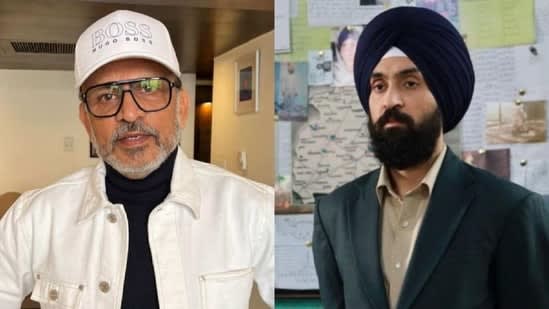
Veteran actor Annu Kapoor has defended the government’s decision to pull the film 'Satluj' from ZEE5, urging the makers to seek legal recourse instead of public sympathy. The film, formerly titled 'Punjab 95', has faced a turbulent journey involving years of certification battles and eventual direct-to-OTT release.
The Controversy Surrounding 'Satluj'
The recent decision to remove the film Satluj—originally titled Punjab 95—from the streaming platform ZEE5 has triggered a significant debate regarding the intersection of creative expression and government censorship in India. Directed by Honey Trehan, the project experienced a tumultuous three-year journey marked by intense scrutiny from certification boards before finally reaching viewers on July 3, only to be taken down a mere 48 hours later. This abrupt removal has reignited long-standing tensions concerning the regulatory environment for digital content.
The Stance of Annu Kapoor
Amidst the outcry from various quarters of the film industry, veteran actor Annu Kapoor has offered a contrarian viewpoint. Kapoor has publicly supported the government’s intervention, arguing that the filmmakers should refrain from engaging in what he termed 'self-pity.' Instead, he has advised the production team to pursue a formal legal resolution through the Supreme Court. His stance emphasizes a adherence to constitutional processes over public discourse, suggesting that the courtroom is the appropriate venue for challenging administrative censorship.
A History of Certification Struggles
To understand the gravity of the situation, one must look at the film's history under its original title, Punjab 95. The production was caught in a protracted battle over certification, which severely delayed its release and forced the producers to bypass a traditional theatrical debut. By opting for a direct-to-OTT release on ZEE5, the makers hoped to circumvent the traditional hurdles associated with physical cinema exhibition. However, the subsequent removal of the film highlights that digital platforms are not immune to the same regulatory pressures that govern traditional media.
The Broader Implications for OTT Platforms
This event underscores the evolving landscape of digital content regulation. While OTT platforms were initially seen as a bastion of creative freedom, the recent actions concerning Satluj prove that the government maintains a firm grip on digital distribution. The industry is now left to grapple with the uncertainty of how content is vetted and the potential for retroactive takedowns, even after a project has received initial clearance to stream.
Future Trends in Creative Expression
Looking ahead, the case of Satluj serves as a cautionary tale for filmmakers tackling sensitive subjects. If legal challenges become the standard method for resolving content disputes, we may see a shift in how production houses approach risk assessment. The tension between the desire for artistic liberty and the state's mandate for censorship remains a central theme in Indian cinema, and this incident reinforces that the battleground has officially shifted from the Censor Board offices to the courtroom.
Verification Required?