Cancer Will Be History In 10 Years: Anthropic CEO's Big Promise
Source Entity
NDTV News Search Records Found 1000
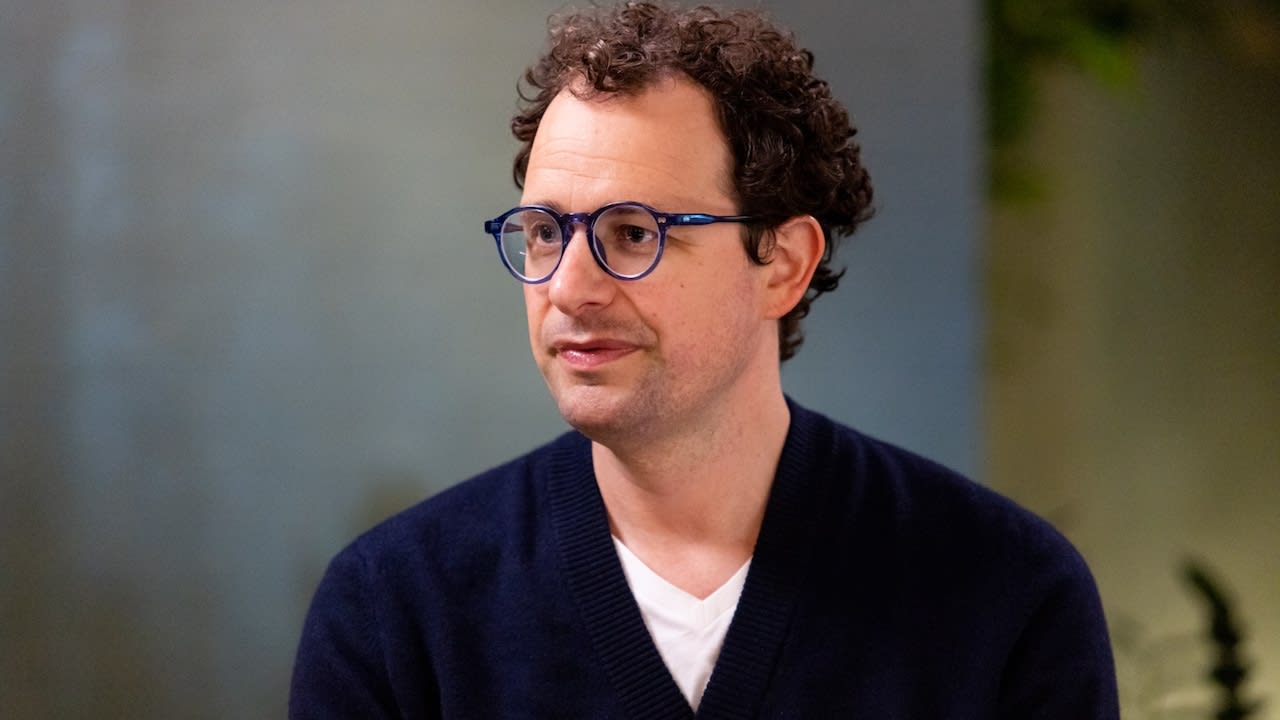
Anthropic is leveraging AI to accelerate drug discovery through partnerships with firms like Bristol Myers Squibb. The company aims to address complex diseases including cancer and muscular dystrophy within the next decade.
The Convergence of AI and Biotechnology: A New Medical Frontier
Anthropic, the AI company behind the Claude chatbot, has recently made bold assertions regarding the future of medicine, suggesting that diseases such as cancer, Alzheimer's, and heart disease could become relics of the past within a decade. This ambitious outlook is grounded in the company's strategic pivot toward integrating artificial intelligence into the complex, time-consuming, and expensive world of pharmaceutical research and drug discovery.
Strategic Partnerships and Collaborative Innovation
To bridge the gap between computational power and biological application, Anthropic has entered into partnerships with six major organizations, including industry giants like Bristol Myers Squibb, as well as specialized firms like Generate Biomedicines and BigHat Biosciences. These collaborations are designed to leverage AI's ability to process massive datasets, which is essential for identifying potential drug candidates, designing complex molecules, and optimizing the development cycle of life-saving therapies.
Addressing Complex Pathologies
Beyond general drug discovery, the scope of these efforts is remarkably broad. The initiatives are currently targeting a spectrum of health challenges, ranging from cancer and rare diseases to food allergies. By utilizing AI to enhance T-cell therapy design and antibody development, the company hopes to overcome traditional limitations in precision medicine, potentially offering treatments that are more effective and tailored to individual patient needs.
Preclinical Research and Future Implications
While the rhetoric surrounding these advancements is optimistic, it is important to note that much of the work—particularly Anthropic's own internal drug innovations targeting muscular dystrophy—remains in the preclinical phase. This stage is critical, as it serves as the foundation for the rigorous clinical trials required to prove safety and efficacy in humans. The transition from AI-modeled molecule design to successful medical intervention is a significant hurdle that the industry is currently attempting to clear.
The Economic and Scientific Shift
The broader implication of this trend is a potential paradigm shift in the pharmaceutical industry's economic model. By reducing the time and cost associated with drug research, AI-driven platforms could democratize access to experimental medicine and accelerate the pace at which rare disease treatments reach the market. The integration of AI into biotechnology represents a fundamental change in how we approach human health, moving from reactive treatments to proactive, data-driven design.
Concluding Outlook
In summary, Anthropic’s promise of eradicating major diseases within ten years highlights the transformative potential of artificial intelligence. While the timeline is aggressive, the collaborative efforts currently underway demonstrate a tangible commitment to modernizing drug discovery. If these AI models continue to show promise in the preclinical stages, the intersection of silicon and biology may indeed redefine the limits of modern medicine in the coming decade.
Verification Required?