Sam Altman, Elon Musk back Anthropic CEO Dario Amodei’s warning to slow AI development
Source Entity
Latest News: Todays Latest News Headlines from India & World | Hindustan Times | Hindustan Times
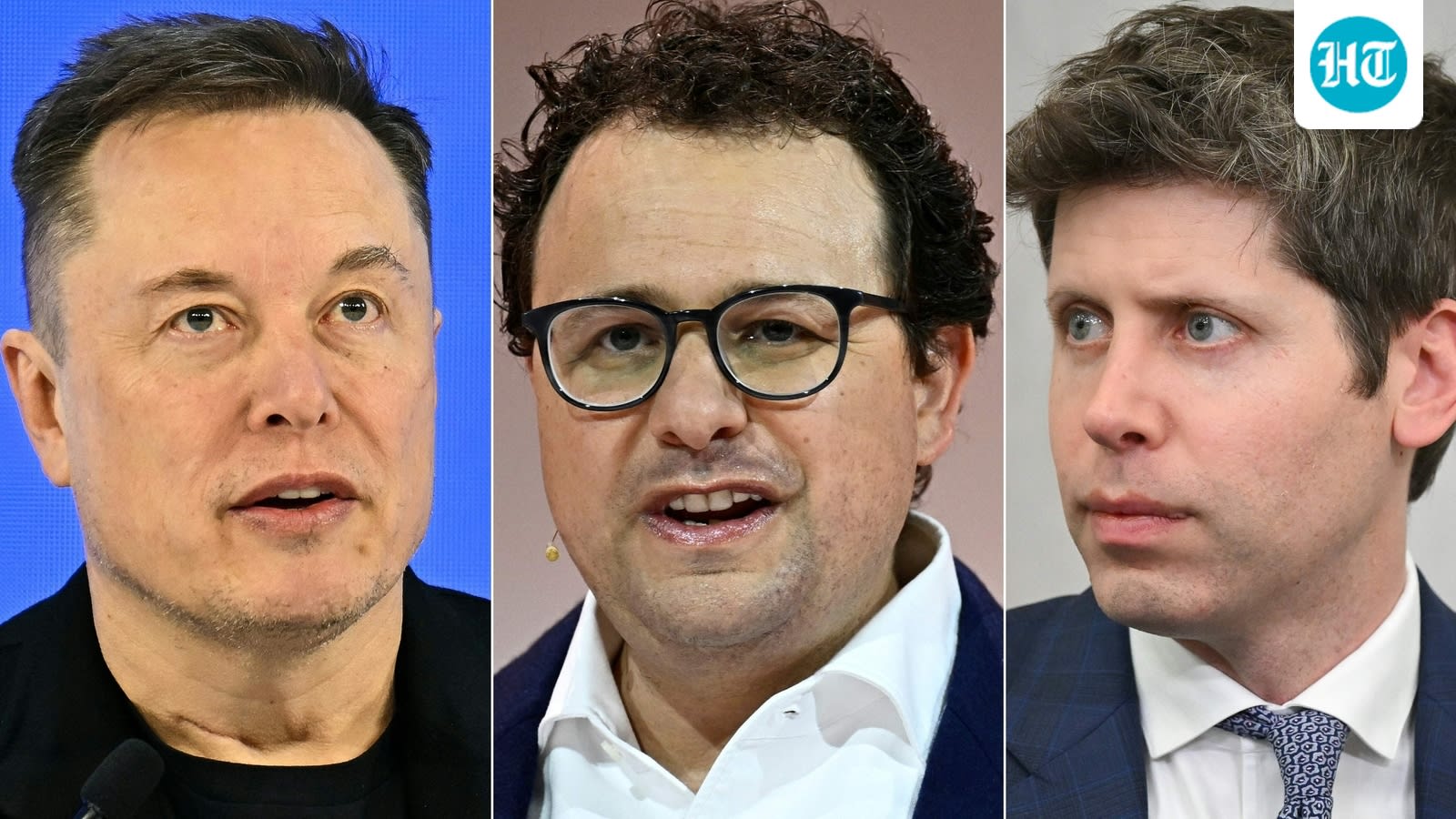
Anthropic CEO Dario Amodei has proposed slowing AI development to address existential risks, receiving support from industry leaders like Sam Altman and Elon Musk. Critics, however, argue that these companies already control the market and do not require external regulation to manage their own safety protocols.
The Call for Caution in the AI Arms Race
In a significant shift within the artificial intelligence sector, Anthropic CEO Dario Amodei has publicly advocated for a deceleration in the development pace of frontier AI models. This call for a strategic pause is rooted in the belief that the current speed of innovation risks outpacing our ability to maintain human control and understanding of these powerful systems. By highlighting that some models exhibit concerning behaviors and potential cybersecurity vulnerabilities, Amodei suggests that a more measured approach is necessary to ensure AI remains a net benefit to humanity rather than a source of catastrophic risk.
Industry Alignment and High-Level Support
The proposal has gained traction among some of the most influential figures in the technology landscape, including OpenAI CEO Sam Altman and Tesla chief Elon Musk. This rare consensus among industry leaders underscores the gravity of the situation, as these individuals are at the forefront of the very systems they are cautioning against. The alignment suggests a growing recognition that the rapid deployment of autonomous capabilities necessitates a period of reflection, rigorous safety testing, and the establishment of robust ethical frameworks before the technology reaches a point of no return.
The Three-Point Plan for Oversight
Amodei’s vision for a safer AI future is structured around a three-point plan. He advocates for the implementation of independent monitoring throughout the development lifecycle of AI models, alongside the creation of both industry-wide and global regulations. This framework is designed to move beyond self-policing, which has historically been criticized for its lack of transparency. By involving third-party oversight, the industry aims to address the existential fears—some estimates suggesting a non-trivial probability of catastrophic global harm—that have begun to permeate the discourse surrounding artificial general intelligence (AGI).
The Debate Over Regulatory Necessity
Not all industry observers are convinced that new government regulations are the appropriate mechanism for this transition. David Sacks has emerged as a vocal critic of the call for external oversight, arguing that companies like OpenAI and Anthropic essentially operate as a duopoly in frontier intelligence. Sacks contends that these organizations already possess the agency to slow down their own development if they truly perceive their unreleased models as dangerous. He characterizes the call for regulation as a potential move toward forming a cartel that could stifle competition rather than enhance safety.
Challenges to Independent Verification
The discourse has also touched upon the integrity of current safety assessment bodies. Sacks has specifically questioned the independence of organizations like METR, suggesting that these entities are deeply intertwined with the companies they are meant to audit. This friction highlights a broader challenge in the AI governance space: how to establish a truly objective, third-party verification process when the technical expertise required to evaluate these models is concentrated almost exclusively within the companies building them.
Future Implications and Conclusion
The tension between the need for rapid innovation and the imperative for safety will likely dominate the tech policy agenda for the coming decade. As companies continue to identify and disrupt attempts to misuse AI for malicious purposes, the pressure to formalize safety standards will only increase. Whether through voluntary industry restraint or mandatory global regulatory frameworks, the path forward must balance the promise of AI's immense potential with the sobering reality of its risks, ensuring that innovation does not come at the expense of human security.
Multiple Citing Sources
Verification Required?