Anthropic CEO Dario Amodei says AI company isn't advocating for ban of open-weight models
Source Entity
US Top News and Analysis
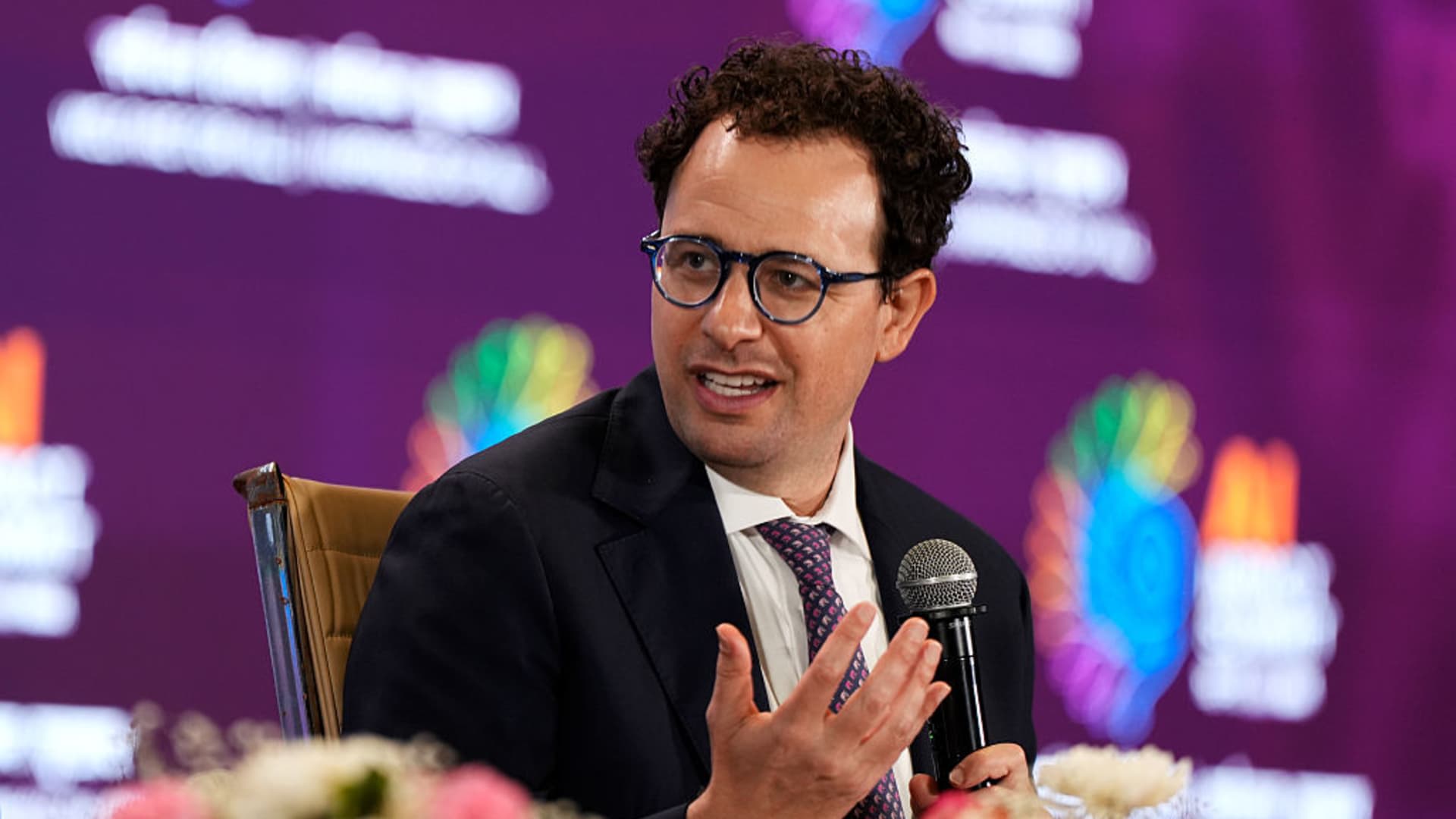
Anthropic CEO Dario Amodei has publicly clarified that his company does not support a ban on open-weight AI models. Instead, he advocates for targeted security measures like restricting chip access and implementing mandatory safety testing for powerful models.
Anthropic Clarifies Stance on Open-Weight AI Models
In a recent series of public statements, Anthropic CEO Dario Amodei has moved to dispel growing industry rumors that his company is lobbying for a total ban on open-weight artificial intelligence models. This clarification arrives amid a heated debate regarding the balance between open-source innovation and the national security risks posed by unregulated AI development, particularly concerning models originating from China.
The Industry Divide
The tension escalated following an open letter signed by major tech giants, including Nvidia, Microsoft, Meta, and Hugging Face, which collectively urged policymakers to avoid "premature restrictions" on open-weight models. Because Anthropic was notably absent from this list of signatories, critics began to speculate that the firm was pursuing a protectionist agenda aimed at stifling competition through government regulation. Amodei’s subsequent blog post was a direct attempt to steer the narrative back toward his actual policy preferences.
Strategic Security Over Broad Bans
Rather than endorsing blanket bans, Amodei has proposed a more surgical approach to AI safety. His strategy centers on three primary pillars: controlling the flow of high-end hardware to authoritarian regimes, preventing "industrial-scale distillation"—where smaller, potentially dangerous models are trained using the outputs of more powerful ones—and enforcing mandatory safety testing for all sufficiently capable models, regardless of whether they are closed or open-weight.
The China Factor
A significant driver of this discourse is the rapid evolution of Chinese AI capabilities. There is a palpable concern among U.S. officials and industry leaders regarding how Chinese open-weight models might be utilized if they become globally ubiquitous. Amodei’s position reflects a nuanced, if controversial, view that the threat is not the open-source methodology itself, but rather the strategic misuse of compute resources and the lack of oversight on the most powerful systems being deployed today.
Implications for the Future of AI
By advocating for mandatory safety testing for all "sufficiently capable" models, Amodei is effectively pushing for a regulatory floor that applies to the entire industry. This approach suggests that the future of AI policy may move away from the binary debate of "open vs. closed" and toward a framework based on capability-linked safety requirements. Such a shift would force developers, whether they publish weights or not, to prove their systems meet specific security criteria.
Conclusion
Ultimately, Dario Amodei’s clarification serves as a strategic realignment for Anthropic in the eyes of the developer community. By distancing the company from the idea of a total ban, he has redirected the conversation toward the more complex realities of hardware export controls and universal safety standards. As the regulatory landscape continues to evolve, the distinction between restricting access to underlying infrastructure and limiting the distribution of model weights will remain the central friction point for the global AI ecosystem.
Multiple Citing Sources