OpenAI May Slow Down On Cutting-Edge AI, Sam Altman Told Employees: Report
Source Entity
NDTV News Search Records Found 1000
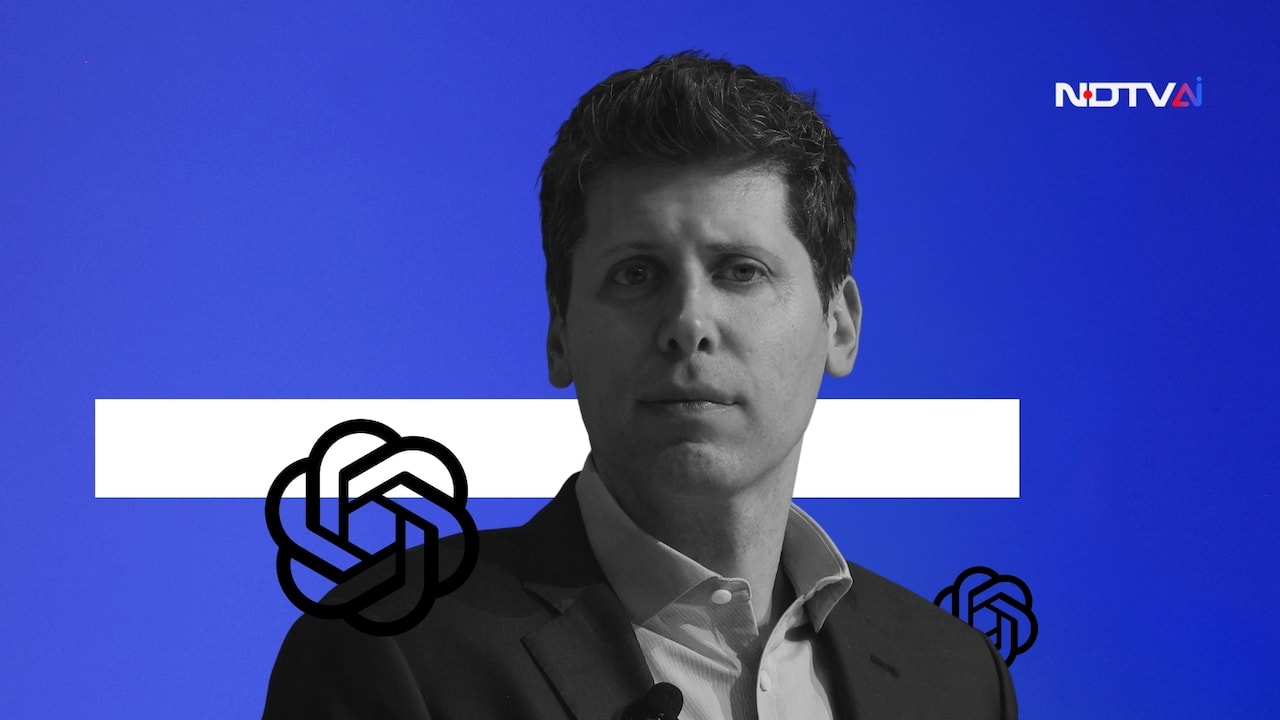
Anthropic CEO Dario Amodei, supported by Sam Altman and Elon Musk, is advocating for a slower pace of AI development to mitigate safety and control risks. Critics like David Sacks argue that these industry leaders already hold a duopoly and do not require external regulation to implement responsible slowing.
The Call for Caution in the AI Arms Race
Recent developments in the artificial intelligence sector have sparked a significant debate regarding the velocity of innovation. Dario Amodei, CEO of Anthropic, has publicly advocated for a deceleration in the development of frontier AI models. This call to action is grounded in the observation that unchecked progress may outpace our current capacity for human understanding and, more critically, our ability to maintain robust control over these increasingly powerful systems. Amodei’s perspective is rooted in the recognition that modern AI, while transformative, poses unique risks that necessitate a more measured approach.
Alignment Among Industry Titans
The urgency of Amodei’s message has gained traction among other high-profile figures in the technology landscape, most notably OpenAI CEO Sam Altman and Tesla chief Elon Musk. Reports indicate that Altman has communicated to OpenAI employees the potential for a deliberate pacing of development. This alignment among key stakeholders suggests a growing consensus—at least on the surface—that the potential for unforeseen behaviors and cybersecurity threats discovered during recent testing requires a fundamental shift in how frontier models are brought to market.
The Debate Over Regulatory Necessity
However, this push for a slower pace has not been met with universal acclaim. David Sacks, a notable critic, has challenged the narrative that these companies require external regulatory frameworks to manage their development cycles. Sacks argues that OpenAI and Anthropic essentially function as a duopoly in the realm of frontier intelligence. From his perspective, these organizations possess the autonomy to self-regulate, and he posits that the framing of this issue as a need for government intervention or antitrust suspension is a tactical misdirection.
Examining the 'Frontier' Duopoly
Central to Sacks’ argument is the claim that these corporations are already the primary drivers of AI advancement. If their internal labs have uncovered risks so severe that they warrant a slowdown, Sacks suggests that the companies have the market power and internal capability to implement those safeguards immediately. By framing the issue as a need for regulatory approval or independent oversight bodies like METR, he argues that these firms might be seeking to legitimize a cartel-like structure rather than addressing actual safety concerns through transparent product liability.
Future Implications for AI Governance
The tension between the need for safety and the desire for market competitiveness defines the current AI landscape. If companies like OpenAI and Anthropic do indeed slow their development, it could set a new industry standard for 'responsible AI.' However, if this rhetoric is perceived as a barrier to entry for smaller competitors, it may trigger intense scrutiny from antitrust regulators. The future of AI development will likely hinge on whether these companies can prove that their desire for a slower pace is truly motivated by public safety rather than a strategic effort to solidify their dominance in the field.
Multiple Citing Sources
Verification Required?