Bailable warrant against Anurag Kashyap for failing to appear before Surat court on Monday
Source Entity
The Indian Express
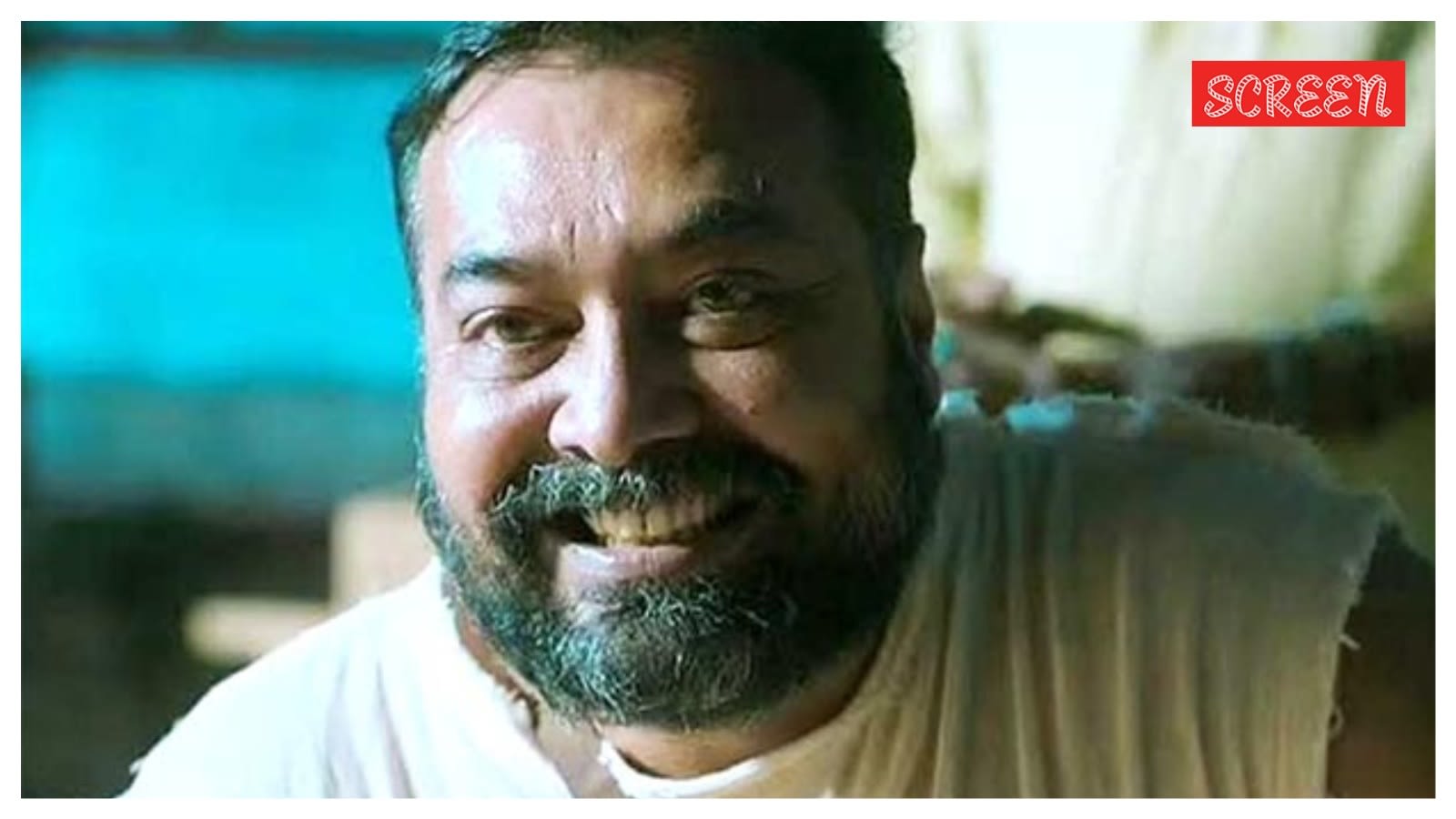
A Surat court has issued a bailable warrant against filmmaker Anurag Kashyap for failing to appear in a case regarding alleged offensive remarks about the Brahmin community. Despite multiple summons and a public notice, Kashyap has not complied, leading the court to set the next hearing for December 24.
Legal Escalation Against Anurag Kashyap
A Surat court has formally issued a bailable warrant against acclaimed filmmaker Anurag Kashyap following his repeated failure to appear for scheduled court proceedings. The legal action stems from a controversy surrounding remarks Kashyap allegedly made on his X (formerly Twitter) handle last year, which were perceived as offensive toward the Brahmin community. This development marks a significant escalation in a case that has been ongoing for months, highlighting the tension between digital expression and legal accountability in India.
The Procedural Path to a Bailable Warrant
The court's decision to issue a bailable warrant was not an impulsive act but the result of a deliberate, multi-step legal process. Initially, the complainant sought Kashyap’s presence for verification purposes. When the filmmaker did not comply, the trial court initiated formal proceedings. Despite the issuance of multiple summons, the filmmaker remained absent, necessitating more aggressive legal measures. The court even directed that a public summons be published in a prominent newspaper in Mumbai, a move intended to ensure the accused was formally notified of the pending litigation, yet this, too, failed to secure his attendance.
Understanding the Legal Implications
A bailable warrant is a judicial order that allows an accused person to be released from custody upon providing a security bond to the court. While it is less severe than a non-bailable warrant, it serves as a firm reminder that the court expects the defendant to participate in the judicial process. By failing to appear, the filmmaker has effectively forced the judiciary to utilize its coercive powers to ensure compliance, which could potentially complicate his legal standing as the case progresses toward the next scheduled hearing.
The Intersection of Social Media and Law
This case underscores the growing trend of legal scrutiny regarding statements made on social media platforms. In recent years, Indian courts have seen an uptick in litigation involving public figures whose online posts are deemed to hurt the sentiments of specific communities. For public figures like Kashyap, the reach of X creates a high-stakes environment where a single post can trigger localized legal challenges across various jurisdictions. This case serves as a broader example of the legal risks associated with online discourse.
Looking Ahead: The December 24 Hearing
The court has set December 24 as the date for the next hearing. This upcoming session will be critical in determining how the case proceeds. If the filmmaker presents himself, the court may move to address the verification of the complaint; however, continued absence could lead to further, more stringent legal consequences. As the industry watches this case, it serves as a stark reminder of the importance of addressing legal summons promptly, regardless of the nature of the underlying accusation.
Conclusion
The issuance of a bailable warrant against Anurag Kashyap highlights the rigorous procedural nature of the Indian judicial system when dealing with non-compliance. While the case revolves around a specific grievance regarding alleged offensive remarks, it also reflects the broader challenges that high-profile individuals face in navigating legal disputes arising from digital communication. The upcoming hearing on December 24 will be a pivotal moment in this ongoing legal matter.