Apple is all in on AI — its own and everyone else’s
Source Entity
Rani Molla
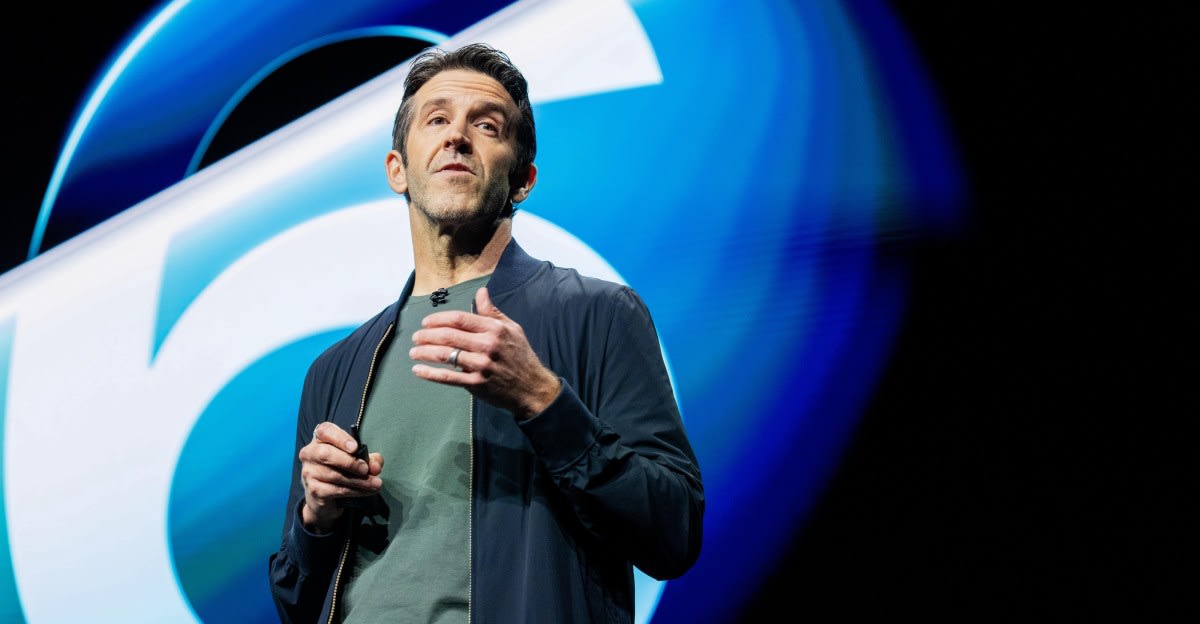
Apple's new CEO John Ternus faces supply challenges with the rapidly sold-out iPhone Duo amid rising memory costs. Despite record Q4 2026 revenue, the company warns of margin pressure due to intense competition for chip supplies.
The Ternus Era Begins: Apple's Strategic Pivot and Supply Chain Hurdles
Apple has officially entered a new chapter under the leadership of CEO John Ternus, who stepped into the role this September following Tim Cook’s tenure. His first major test arrived in the form of the Q4 2026 earnings report, which showcased a company performing at record levels while simultaneously grappling with the harsh realities of a volatile global supply chain. The headline figures are impressive—total revenue hit $114.5 billion, with iPhone sales surging 17 percent to $57.58 billion—yet the transition to new leadership is complicated by the immediate, high-stakes launch of the iPhone Duo.
The iPhone Duo: A Premium Gamble
The iPhone Duo represents Apple’s aggressive entry into the foldable smartphone market, commanding a premium price point of $1,999 or £1,999. The device proved to be a massive success with consumers, selling out within just over a week of its release. However, this success has become a double-edged sword. While the high demand validates Apple’s design direction, the company is now struggling to maintain inventory, with COO Sabhi Kahn admitting that predicting when supply will meet demand is currently impossible.
Quality Control and Market Perception
Beyond the logistics of supply, Apple faces growing scrutiny regarding the durability of its new hardware. Early reports indicate that despite the device's popularity, some users have experienced issues with screens cracking. This poses a significant reputation risk for a company synonymous with premium build quality. As the device remains in high demand, Apple must balance the pressure to scale production rapidly against the necessity of ensuring that the foldable technology meets the rigorous standards expected of the brand.
The 'RAMageddon' Effect on Profit Margins
The broader macroeconomic environment presents a more systemic threat to Apple’s profitability. CEO John Ternus has signaled that the company is contending with an "unprecedented" rise in memory chip costs. This phenomenon, dubbed "RAMageddon," is driven by intense competition from AI data centers, which are consuming massive quantities of memory components. Because Apple must compete with these powerful data center operators for limited supplies, the cost of manufacturing is ballooning, threatening to compress gross margins to between 45 and 46 percent in the upcoming holiday quarter.
Strategic Adjustments in a High-Cost Environment
To mitigate these rising costs, Apple has already implemented pricing strategies, including hikes for iPads and MacBooks in June and the iPhone line in September. While Ternus noted that these measures have provided some offset, the long-term outlook remains cautious. Furthermore, the company is taking steps to manage the resource-heavy nature of its AI initiatives, specifically noting that usage limits are coming to Siri AI due to the high operational costs associated with running these advanced models.
Conclusion: Navigating Future Trends
While the Mac division celebrated its best year ever and India continues to set sales records, the immediate future for Apple under John Ternus will be defined by supply chain resilience. The company is currently in a race to stabilize the production of the iPhone Duo while navigating a memory market that shows no signs of cooling. Investors remain wary, as evidenced by the dip in after-hours trading following the revenue report, highlighting that even for a tech giant, the ability to secure hardware components remains the ultimate arbiter of growth in the AI-heavy landscape of 2026.
Multiple Citing Sources