Apple has gotten too predictable. Can its next CEO bring back the element of surprise?
Source Entity
Christine Ji
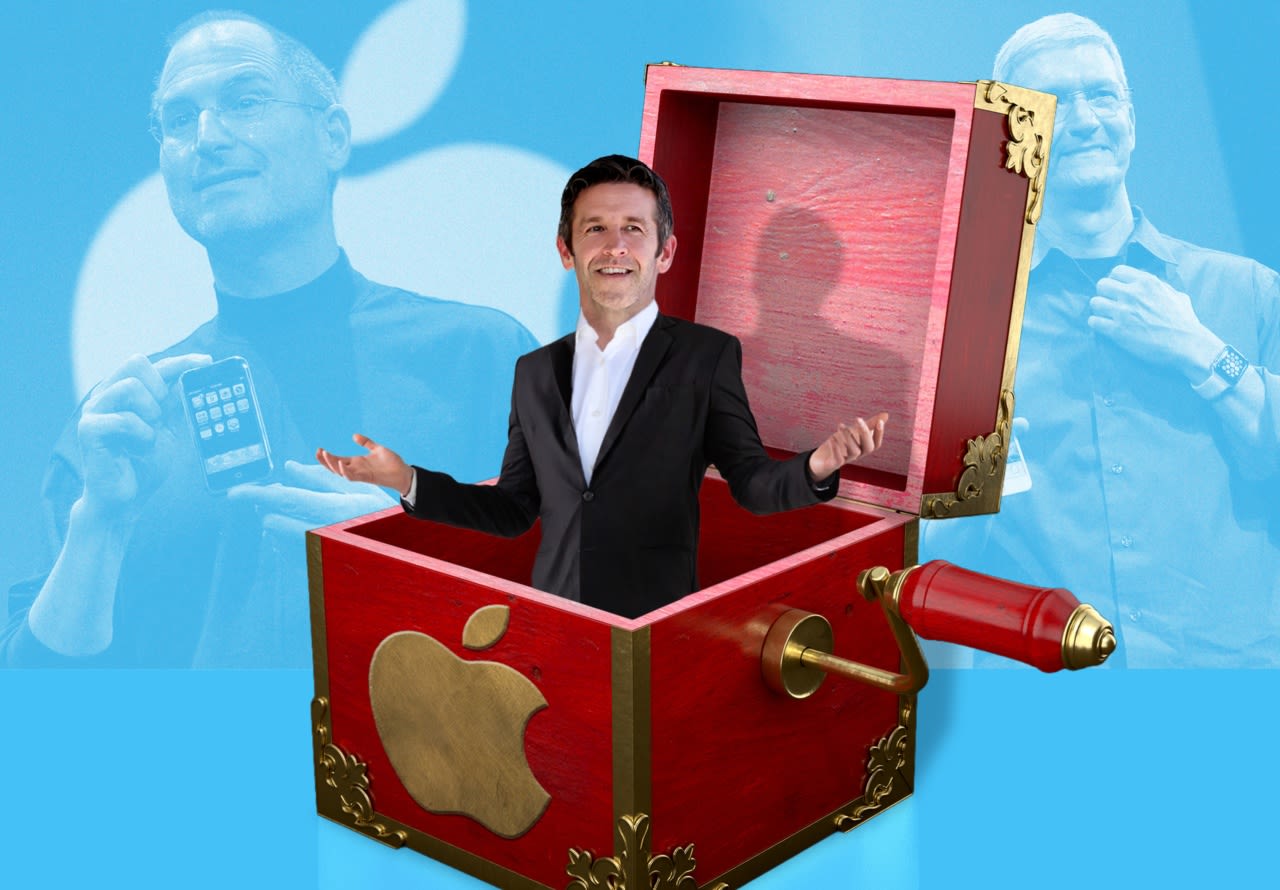
Wall Street is looking toward John Ternus as a potential future leader to revitalize Apple's innovation strategy. Investors hope for a more aggressive approach to AI spending and potential large-scale mergers.
The Future of Apple: A Leadership Crossroads
Apple Inc., long celebrated as the world's premier engine of innovation, currently finds itself at a unique juncture. While the company maintains a dominant market position, there is a growing sentiment among analysts and investors that the firm has become overly predictable in its product cycles and strategic roadmap. As the tech giant navigates a rapidly shifting landscape, the conversation has turned toward succession planning, with John Ternus emerging as a focal point for those seeking a departure from the status quo.
The Case for Strategic Evolution
Wall Street’s current discourse suggests that Apple’s conservative approach to capital allocation and internal development may be hindering its competitive edge in the era of artificial intelligence. While Apple has historically favored organic growth and smaller, strategic acquisitions, there is mounting pressure for a more aggressive stance. Investors are increasingly looking to John Ternus to potentially pivot the company toward a more expansive strategy that includes significantly higher capital expenditures specifically aimed at AI research and development.
Mergers and Acquisitions: A New Frontier
One of the most notable shifts in investor expectation involves the company's approach to mergers and acquisitions. Traditionally, Apple has avoided the massive, industry-altering deals common among its Big Tech peers, preferring instead to acquire niche talent or technology. However, the current desire for a leadership shift implies a potential appetite for larger mergers. Such a move would represent a monumental change in corporate philosophy, signaling that the company is willing to leverage its massive cash reserves to secure market leadership in the AI space rather than building every component from scratch.
The Innovation Mandate
At the heart of the demand for a new strategic direction is the need to reclaim the 'element of surprise' that once defined Apple’s product launches. Innovation in the current market requires more than just incremental improvements; it necessitates a fundamental rethinking of how AI integrates into the user experience. By 'doubling down' on innovation, stakeholders hope that a shift in leadership under Ternus could catalyze a new wave of disruptive technology that moves beyond the existing ecosystem constraints.
Historical Context and Future Trends
Apple has long operated under a philosophy of deliberate, measured progress. However, as AI becomes the central pillar of global technology, the cost of being 'predictable' has risen. The historical success of Apple was built on defining new categories rather than following market trends. If future leadership adopts a strategy of increased spending and larger-scale inorganic growth, it could mark the beginning of a new chapter for the company, potentially reorienting its trajectory toward an AI-first future.
Conclusion: Navigating the Expectations
Ultimately, the pressure on John Ternus and Apple’s broader leadership team reflects a broader market anxiety regarding the company's ability to maintain its growth trajectory. While the company’s current model remains highly profitable, the call for increased spending and bolder mergers indicates that shareholders are prioritizing long-term market dominance in the AI sector over the comfort of established, predictable cycles. Whether Apple chooses to evolve its strategy or remain committed to its traditional methodologies will be a defining question for the next decade of the firm.
Verification Required?