Magisterial inquiries ordered into THDC tunnel accident in Chamoli: Official
Source Entity
Latest News: Todays Latest News Headlines from India & World | Hindustan Times | Hindustan Times
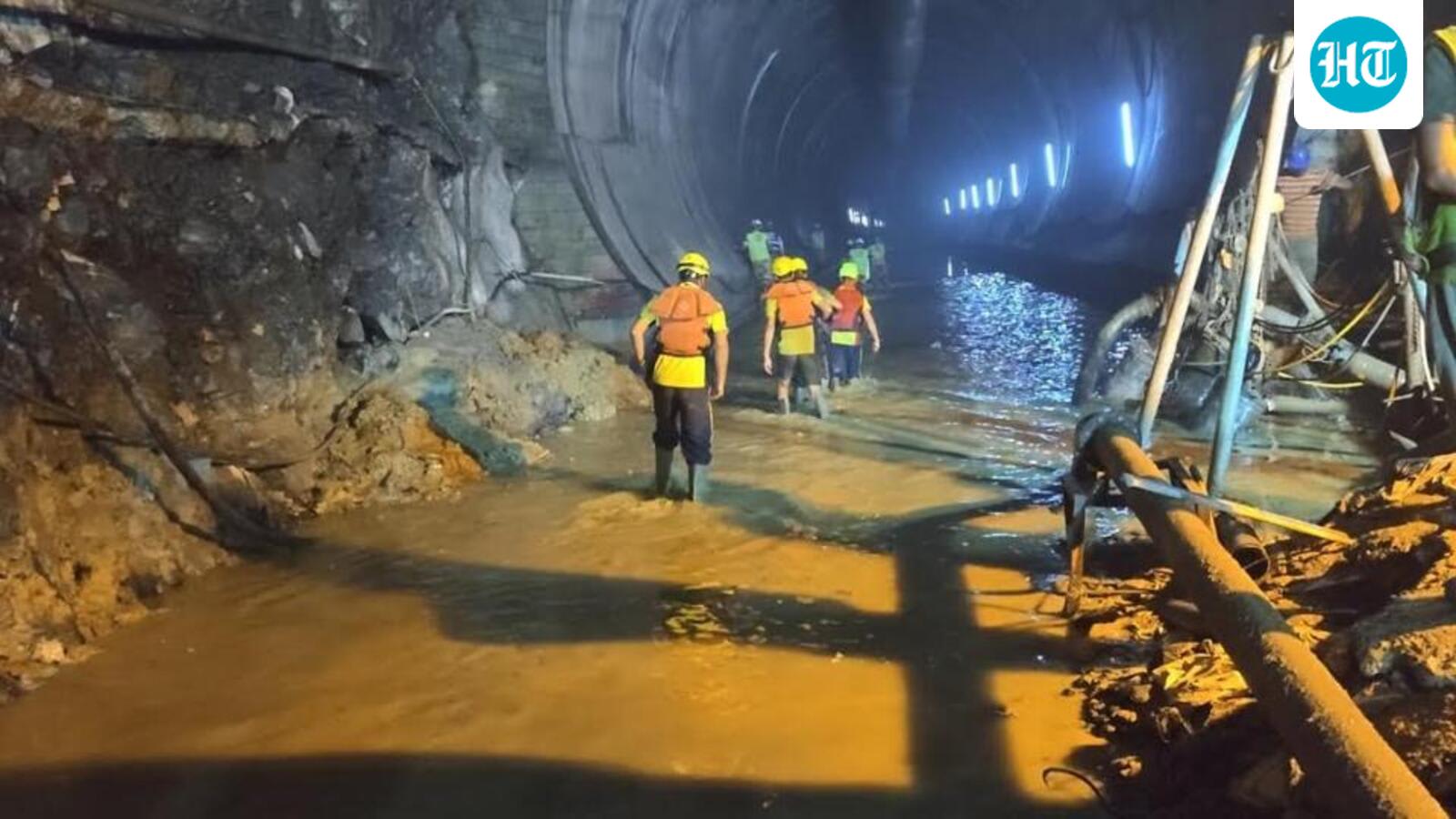
The death toll from the Chamoli tunnel incident has risen to 11 following the passing of a worker at AIIMS Rishikesh. Authorities have ordered magisterial inquiries into the disaster and are addressing ongoing seepage issues in the separate Tambakhani tunnel.
The Chamoli Tunnel Tragedy: A Critical Assessment
The recent tragedy at the THDC construction project in Chamoli, Uttarakhand, has reached a somber milestone with the death of 20-year-old Rohit Pandey at AIIMS Rishikesh, bringing the total death toll to 11. This incident, which occurred on August 13 in the Hat area near Pipalkoti, has prompted immediate intervention from the district administration, including the announcement of ₹11 lakh in compensation by THDC and the Hindustan Construction Company. The loss of life underscores the extreme volatility inherent in high-altitude infrastructure development.
The Mechanics of the Disaster
Preliminary assessments point to a geological failure as the catalyst for the Chamoli incident. Engineers suggest that a rain-saturated aquifer ruptured through the roof of the three-kilometer-long tunnel, leading to sudden inundation. This event highlights the precarious nature of tunneling in the Himalayan region, where subterranean water tables are often poorly mapped and highly reactive to monsoon-related moisture infiltration.
Accountability and Administrative Response
In response to the mounting casualties and public concern, Chamoli District Magistrate Gaurav Kumar has mandated formal magisterial inquiries into both the THDC tunnel accident and a separate flash flood incident in Tamak Nala. These investigations, led by the sub-divisional magistrate, are tasked with scrutinizing safety protocols, verifying adherence to construction standards, and identifying potential lapses. The 15-day deadline for these reports indicates an urgent push for accountability in the wake of the disaster.
Broader Infrastructure Challenges in Uttarakhand
The vulnerability of tunnel infrastructure is further evidenced by persistent issues at the Tambakhani tunnel in Uttarkashi. Constructed in 2013, this 370-metre tunnel has suffered from chronic water seepage, leading to hazardous accumulations of mud and slush that impede both residents and pilgrims. The transfer of management to the Border Roads Organisation (BRO) signals a shift toward more rigorous oversight, as the agency now seeks specialized technical assessments to address long-standing engineering flaws.
Future Implications and Engineering Imperatives
The dual crises of the Chamoli collapse and the Tambakhani seepage reveal a systemic need for more robust hydrological and engineering studies in the Himalayan belt. As the BRO and other agencies move to evaluate sub-surface risks, the focus must shift from rapid construction to long-term geological stability. For projects like those managed by THDC, the requirement for real-time monitoring of aquifers and structural integrity is no longer a luxury, but a fundamental prerequisite for worker safety.
Conclusion
As the district administration mediates talks and awaits the findings of the magisterial inquiries, the focus remains on preventing a recurrence of these tragedies. The events in Chamoli and Uttarkashi serve as a stark reminder that infrastructure development in ecologically sensitive zones requires a paradigm shift, prioritizing rigorous geological vetting and stringent safety enforcement over project timelines to ensure the protection of workers and the public.
Multiple Citing Sources
Verification Required?