Can Apple Home’s AI camera features outsmart Amazon’s and Google’s? I put them to the test
Source Entity
Jennifer Pattison Tuohy
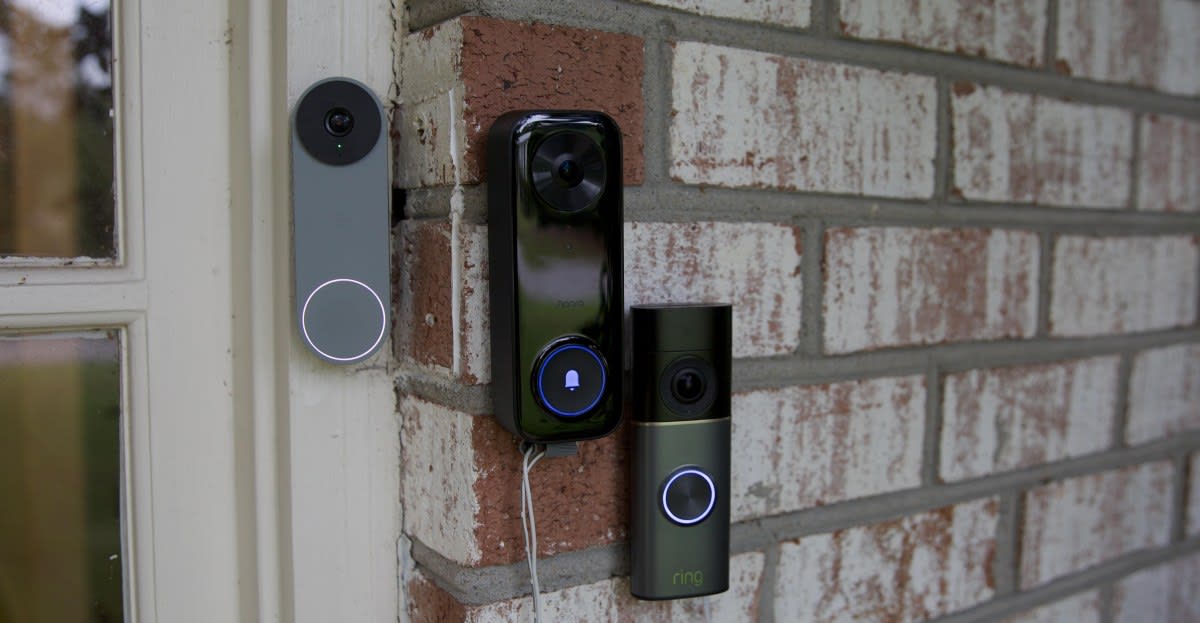
An industry expert evaluates Apple Home's AI-driven camera features against competitors like Amazon and Google. The analysis highlights the critical importance of notification accuracy and smart object detection in modern home security systems.
The Evolution of Smart Home Security Intelligence
The landscape of home security has undergone a seismic shift, moving from simple motion-triggered alerts to sophisticated, AI-driven identification systems. As users increasingly rely on smart cameras to monitor their properties, the primary friction point has transitioned from connectivity issues to 'notification fatigue.' When security devices fail to distinguish between benign movement—such as a pet in the yard—and genuine security concerns, the utility of the technology diminishes significantly.
The Challenge of Contextual Awareness
Modern smart home ecosystems, led by giants like Apple, Amazon, and Google, are currently engaged in an arms race to perfect edge-based and cloud-based AI. The goal is to provide users with granular, actionable data rather than generic alerts. As highlighted in recent testing, a device that inundates a user with constant, low-value notifications during personal events, such as a family outing, creates an intrusive user experience that undermines the very peace of mind these systems are designed to provide.
Benchmarking Apple Home Against Competitors
Apple Home’s approach to security integration emphasizes privacy and seamless ecosystem interaction. By leveraging local processing capabilities, Apple aims to minimize latency and enhance the accuracy of object detection. When compared to the established portfolios of Amazon’s Ring and Google’s Nest, the core differentiator for Apple lies in how it surfaces these notifications within the iOS environment, balancing intrusive alerts with the need for immediate situational awareness.
The Impact of AI on User Trust
Trust in home security technology is predicated on reliability. If a system's AI algorithms repeatedly misidentify movement, users are likely to disable notifications entirely, rendering the hardware ineffective. The transition toward more advanced machine learning models is intended to solve this by learning the specific patterns of a household, thereby reducing false positives and ensuring that when a phone buzzes, the information is truly critical.
Future Trends in Connected Home Tech
Looking ahead, the integration of generative AI and computer vision will likely enable smart cameras to provide descriptive summaries of events rather than just raw video clips. As these systems become more 'intelligent,' the focus will shift toward predictive analytics—identifying unusual behavioral patterns rather than just reacting to motion. The expertise of veteran reviewers in this sector remains essential for guiding consumers through the complex trade-offs between smart features, privacy, and system performance.
Conclusion
In summary, the battle for dominance in the smart camera market is no longer just about hardware specifications or video resolution. It is fundamentally about the efficacy of the underlying artificial intelligence. As Apple continues to refine its Home ecosystem, its success will be measured by its ability to provide meaningful, accurate notifications that respect the user's attention while maintaining rigorous security standards.