Meta made a Tamagotchi-like wearable for its Muse AI agent
Source Entity
Lucas Ropek
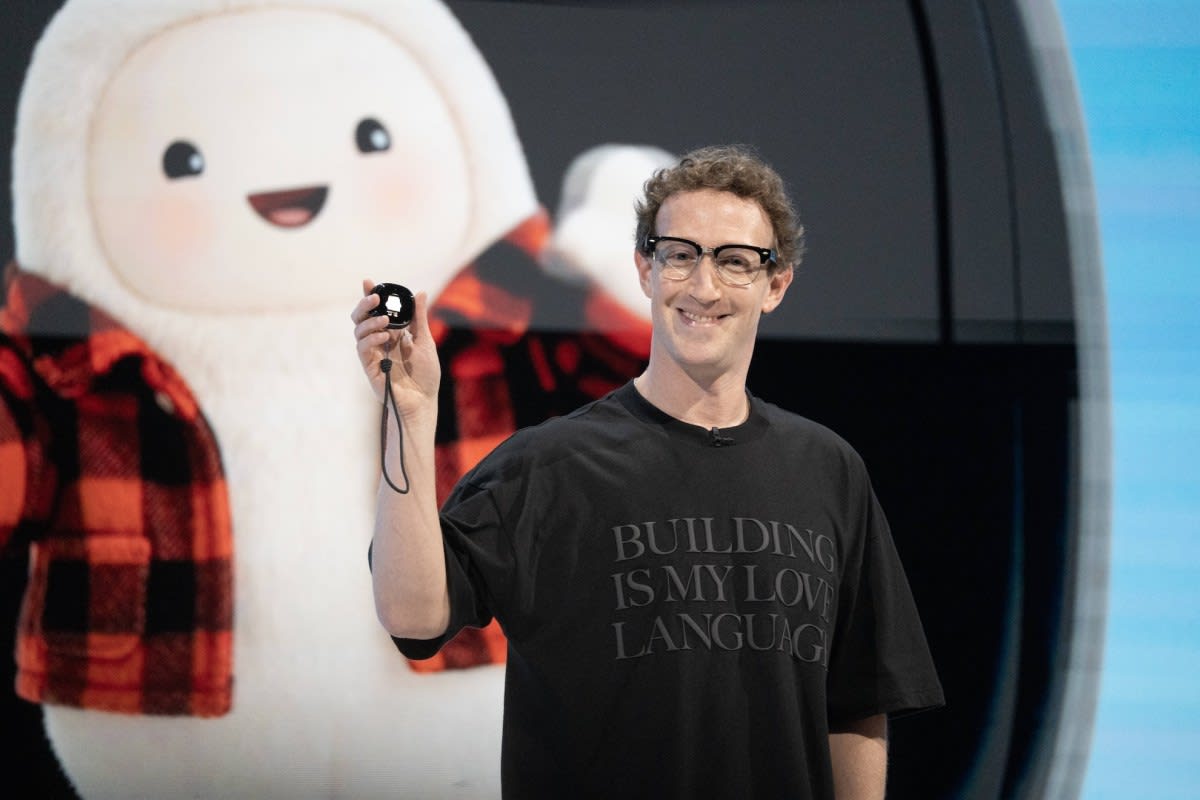
Meta is aggressively expanding its Muse AI agent ecosystem through new email capabilities, computer-use features, and a dedicated wearable device called the Muse Charm. These updates aim to transition AI from a simple chat interface to a proactive assistant capable of managing real-world tasks.
The Evolution of Meta’s Muse AI: From Chatbot to Proactive Assistant
Meta is rapidly transforming its Muse AI agent from a standard conversational tool into a comprehensive personal assistant designed to alleviate the burden of modern, "auto-populating" to-do lists. By iterating on the agent’s capabilities, Meta is positioning Muse not just as a source of information, but as an operational partner capable of handling mundane logistical challenges—such as resolving service cancellations or managing household maintenance—that frequently clutter the lives of users.
New Capabilities: Email and Desktop Integration
The latest suite of updates significantly expands the functional reach of Muse. Most notably, Muse agents are being equipped with their own email addresses, allowing them to communicate directly with service providers and third parties to resolve issues on behalf of the user. This shift moves the interaction from a simple question-and-answer dynamic to a task-oriented workflow. Furthermore, the integration of the Muse Mac app with computer-use capabilities suggests that Meta is moving toward a future where AI can navigate software interfaces as a human would, bridging the gap between digital intent and execution.
Breaking the Screen Barrier: Video Calls
Beyond text-based interaction, Meta is introducing live video calls with Muse agents. This move represents a strategic effort to make AI interactions feel more natural and responsive. By enabling real-time video communication, Meta is attempting to lower the barrier to entry for users who prefer verbal or face-to-face-style interaction over typing, potentially increasing the frequency and complexity of tasks delegated to the AI.
The Muse Charm: Bringing AI into the Physical World
Perhaps the most ambitious aspect of Meta's strategy is the introduction of the Muse Charm, a standalone wearable device unveiled by CEO Mark Zuckerberg. Designed as a "chunky smart watch without the strap," the Charm emphasizes portability and immediate access. By eschewing the need to unlock a smartphone or navigate through app menus, the device aims to become an ambient presence in the user's life. Equipped with a camera, fingerprint sensor, and a multi-microphone array, the Charm is clearly intended to serve as a bridge between the physical environment and Meta’s cloud-based processing power.
Broader Implications and Future Trends
The development of the Muse Charm and its associated software updates signals a broader industry trend: the move toward "agentic AI." Rather than simply providing summaries or creative content, companies are now racing to build systems that can "do" things. If successful, this ecosystem could fundamentally change how individuals manage their time, effectively outsourcing the cognitive load of administrative tasks to an AI that is always "on."
Conclusion
Meta’s aggressive roadmap, with the Muse Charm slated for a holiday release, indicates a high-stakes bet on consumer demand for wearable, proactive AI. While the hardware remains mysterious regarding its connectivity, the integration of email, video, and desktop control demonstrates a clear vision: to make Muse an indispensable, ever-present assistant that handles the friction of daily life. As these tools become more capable, the challenge will shift from technological feasibility to user trust and the reliability of an agent acting on one's behalf.