IIT-Delhi researchers build homegrown graphics chip for low-cost devices
Source Entity
The Indian Express
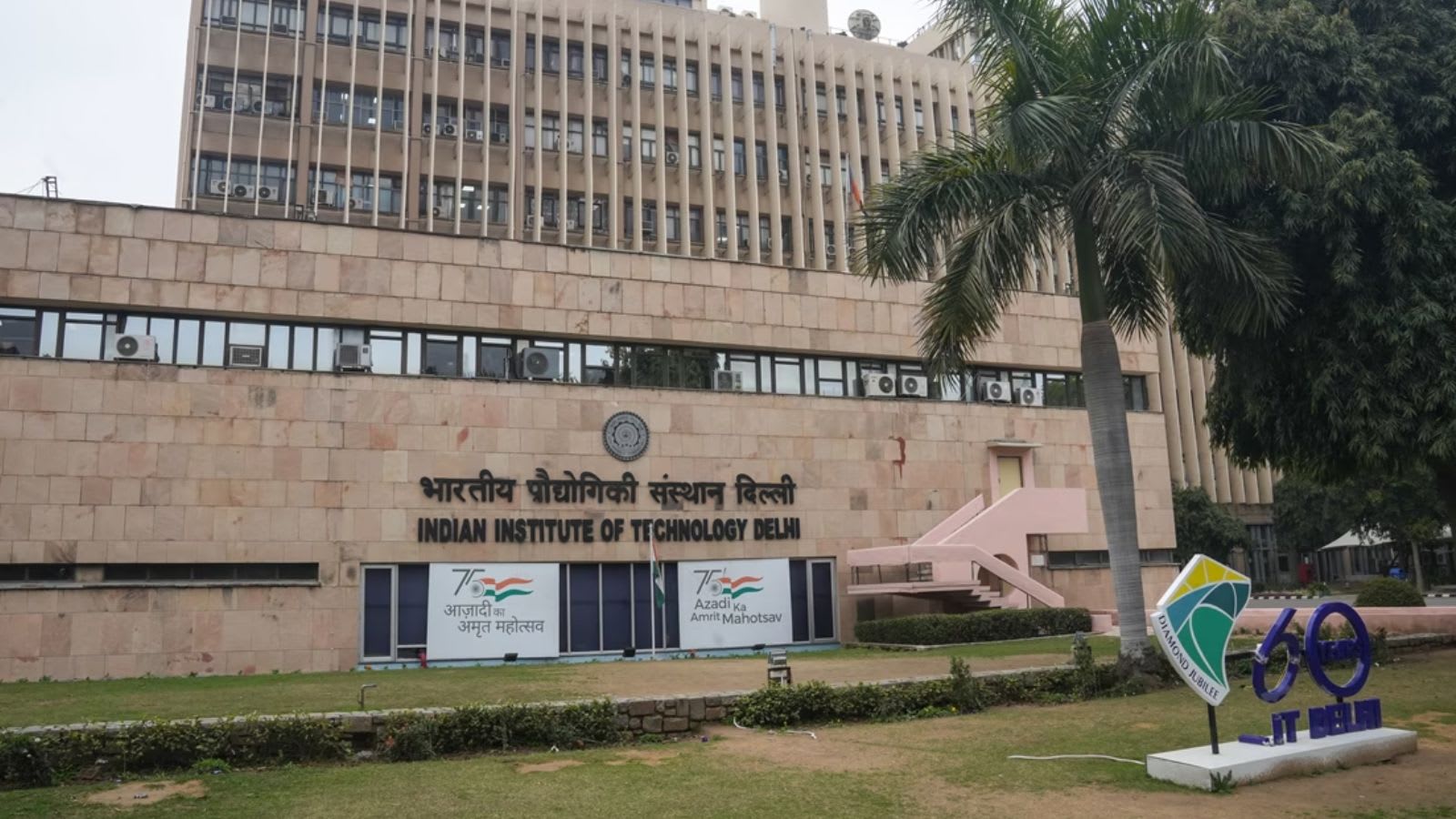
IIT-Delhi researchers have developed India's first indigenous micro-GPU designed for affordable embedded devices. This innovation aims to reduce reliance on imported graphics hardware for industrial and navigational applications.
Breakthrough in Indian Semiconductor Design: The IIT-Delhi Micro-GPU
Researchers at the Indian Institute of Technology (IIT) Delhi have successfully developed a programmable micro-graphics processing unit (GPU), marking a significant milestone in India's journey toward semiconductor self-reliance. This homegrown hardware is specifically engineered for low-cost embedded devices, representing a strategic shift from high-end AI-focused computing to practical, utility-driven graphics applications.
Filling a Critical Infrastructure Gap
Currently, India is entirely dependent on imported GPUs for all technological applications. By creating an indigenous design, IIT-Delhi is addressing a critical vulnerability in the domestic supply chain. This development is not intended to compete with high-end consumer gaming or data-center GPUs, but rather to secure the hardware foundation for essential infrastructure that often relies on expensive, imported components.
Versatile Applications for Embedded Systems
The scope of this micro-GPU is broad and tailored toward industrial and socioeconomic needs. Potential use cases include industrial control displays, navigation systems for e-rickshaws, and educational hardware. Furthermore, its application extends to navigation terminals for small boats, showcasing the technology's potential to bolster rural and small-scale transportation systems through affordable, locally sourced digital displays.
Strengthening the 'Make in India' Semiconductor Ecosystem
This achievement is a major step for India's academic and research landscape. As one of the first demonstrable, university-designed micro-GPUs in the country, it provides a blueprint for future scalable designs. By proving that complex graphics hardware can be conceptualized and fabricated within Indian institutions, the team is laying the groundwork for a broader domestic ecosystem that could eventually lower the barrier to entry for local hardware manufacturers.
Future Trends and Strategic Implications
Looking ahead, the successful deployment of this chip could incentivize further investment in indigenous semiconductor design. As the demand for smart, connected devices grows in emerging markets, having a homegrown alternative to imported GPUs will be essential for cost management and technological sovereignty. This project serves as a crucial proof-of-concept that may catalyze more localized research, helping India transition from a consumer of global silicon to a designer of critical micro-components.
Conclusion
In summary, the IIT-Delhi micro-GPU project is a vital development for domestic technological autonomy. By focusing on low-cost, high-impact applications, the research team has identified a clear path forward for Indian hardware design, moving the nation one step closer to ending its total reliance on imported graphics processing units.