Apple Intelligence approved for launch in China with Alibaba and Baidu
Source Entity
Sarah Perez
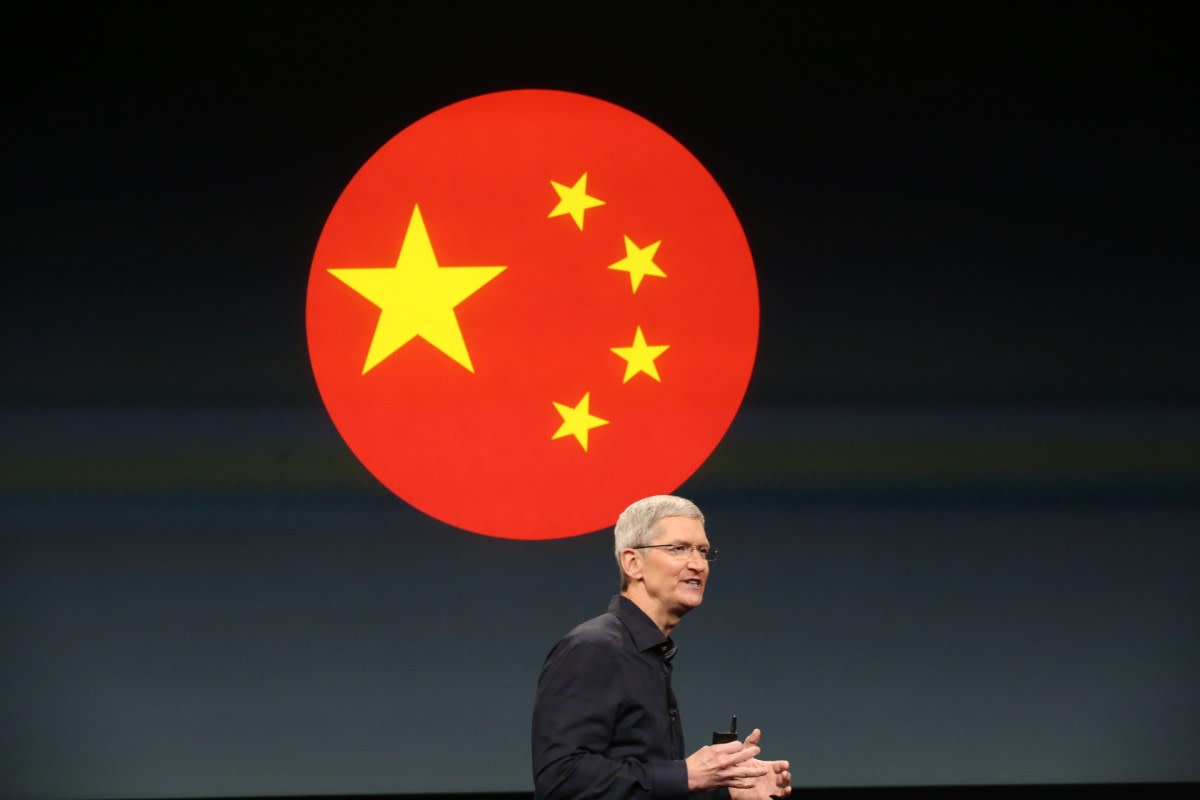
Apple has received approval to launch its Apple Intelligence AI suite in China through strategic partnerships with local tech giants Alibaba and Baidu, ensuring compliance with strict domestic regulatory requirements.
Apple Intelligence Enters the Dragon: Navigating China's AI Landscape
Apple's approval to launch Apple Intelligence in China, facilitated by partnerships with Alibaba and Baidu, represents a pivotal moment in the company's global strategy. China is not only one of Apple's largest markets but also one of the most restrictive regulatory environments for generative AI. By collaborating with local incumbents, Apple is attempting to bridge the gap between its global vision for integrated AI and the specific legal mandates imposed by the Chinese government, specifically the Cyberspace Administration of China (CAC).
The Regulatory Imperative and Local Partnerships
The decision to partner with Baidu and Alibaba is not merely a business preference but a regulatory necessity. China requires that generative AI models be trained on data that adheres to state-approved guidelines and that the infrastructure used to host these models remains within national borders. Because Apple's primary global AI partnership is with OpenAI, which is unavailable in China, Apple must pivot to local Large Language Models (LLMs). Baidu, with its sophisticated Ernie Bot, and Alibaba, with its robust cloud infrastructure and AI capabilities, provide the necessary compliant frameworks to ensure that Apple Intelligence can function without violating national security or censorship laws.
Strategic Market Competition
This move comes at a critical juncture as Apple faces intensifying competition from domestic Chinese rivals such as Huawei, Xiaomi, and Honor. These brands have already integrated advanced AI features into their latest hardware, appealing to a tech-savvy consumer base that views AI as the primary driver for the next smartphone upgrade cycle. By bringing Apple Intelligence to the region, Apple aims to stem the tide of users switching to domestic brands and reinforce the value proposition of the iPhone ecosystem. The integration of local AI ensures that the user experience remains fluid and culturally relevant, providing a competitive edge in a market where localized services are paramount.
Technical Implications: Hybrid AI Architecture
From a technical perspective, the launch in China will likely necessitate a hybrid AI architecture. While Apple Intelligence emphasizes on-device processing for privacy, the more complex queries that typically go to a cloud-based LLM (like GPT-4o in the West) will instead be routed to Baidu or Alibaba's servers in China. This creates a unique technical challenge: maintaining a consistent user experience across different regions while using entirely different underlying models. Apple's ability to seamlessly integrate these third-party Chinese models into the iOS interface without compromising the 'Apple experience' will be a key metric of success.
Broader Implications for Global Tech
This development sets a significant precedent for other Western technology firms attempting to deploy AI services in China. It underscores a growing trend of 'AI Sovereignty,' where nations demand that AI systems be tailored to local laws and values. Apple's willingness to outsource the core intelligence of its system to local partners suggests that the era of a single, global AI standard is giving way to a fragmented landscape of regional AI ecosystems. This 'splinternet' effect is now extending beyond web content and into the very intelligence that powers our devices.
Conclusion and Future Outlook
In summary, the approval of Apple Intelligence in China via Alibaba and Baidu is a masterstroke of pragmatic diplomacy and business strategy. While it requires Apple to compromise on its global uniformity, the cost of exclusion from the Chinese market would be far higher. Moving forward, the success of this launch will depend on how well these local partnerships can replicate the intuitive nature of Apple's AI. If successful, this model of 'local partnership for global access' will likely become the blueprint for all future AI deployments in highly regulated markets.