Apple’s OLED iPad Mini upgrade is on the way as prices continue to rise
Source Entity
Stevie Bonifield
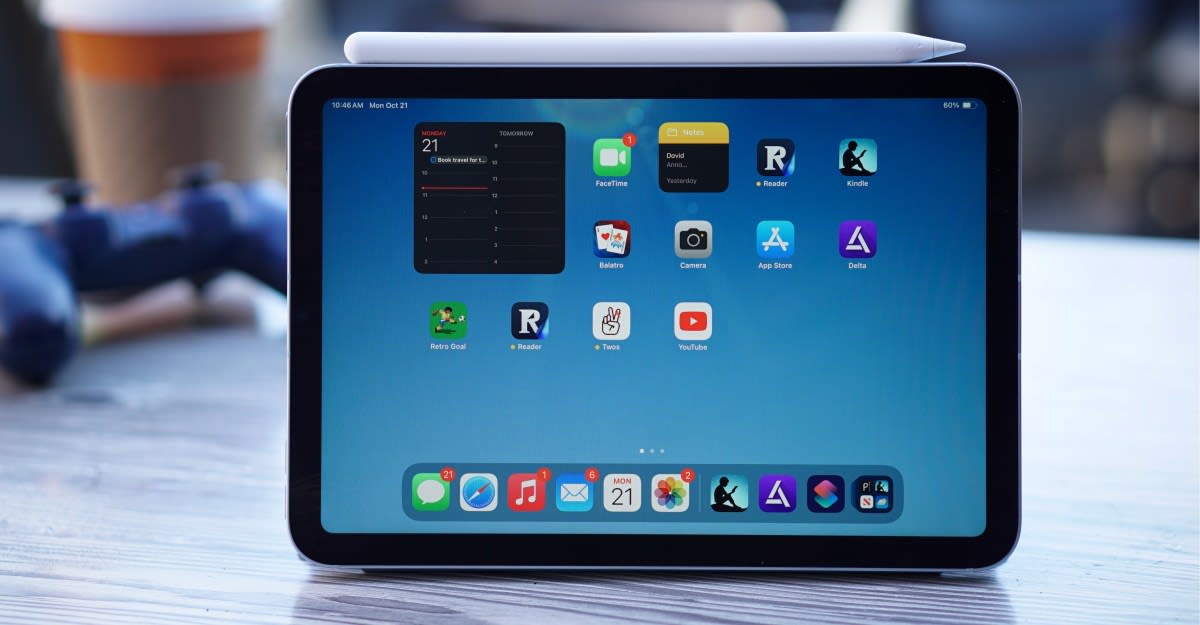
Apple is reportedly planning a significant update for the iPad Mini, potentially as early as October, featuring a transition to OLED display technology and a likely price increase.
The Evolution of the Compact Tablet: Apple's Shift to OLED for iPad Mini
Apple is reportedly preparing a substantial hardware refresh for the iPad Mini, with internal sources and Bloomberg's Mark Gurman suggesting a release as early as October. This update is poised to be the most significant overhaul for the Mini lineup since the 2021 redesign, primarily centered around the transition from traditional Liquid Retina (LCD) displays to Organic Light-Emitting Diode (OLED) technology. For a device that occupies a unique niche between the smartphone and the full-sized tablet, this upgrade represents a critical pivot in Apple's hardware strategy for its smallest tablet.
The Technical Leap: Why OLED Matters
Moving to an OLED panel is not merely a cosmetic change; it fundamentally alters the user experience. Unlike LCDs, which require a backlight to illuminate pixels, OLED pixels are self-emissive. This allows for "true blacks" because pixels can be turned off completely, resulting in an infinite contrast ratio and more vibrant color reproduction. For the iPad Mini, which is often used for media consumption, digital sketching, and reading, OLED will significantly enhance visual fidelity. Furthermore, OLED technology typically offers better energy efficiency when displaying dark content, which could potentially offset the battery constraints inherent in the Mini's smaller chassis.
Analyzing the Release Cycle and Timing
The timing of a potential October launch is strategically significant. The current iPad Mini generation has remained largely stagnant since 2021, leading to a growing gap in performance and display quality compared to the iPad Pro and the standard iPad. By introducing a refresh in the fall, Apple aligns the Mini's update with its broader ecosystem cycle. This move suggests that Apple recognizes the Mini's value as a "pro-sumer" portable device, ensuring that users who prefer the smaller form factor are not penalized with outdated display technology while the rest of the lineup moves forward.
The Economic Trade-off: Rising Costs and Consumer Pricing
A critical aspect of this report is the mention that prices continue to rise. OLED panels are inherently more expensive to manufacture than LCDs, particularly at the scale and quality standards Apple demands. This cost increase is likely to be passed on to the consumer, potentially pushing the iPad Mini further into the premium price bracket. As Apple continues to segment its product line—separating "entry-level" devices from "premium" ones—the Mini is being positioned as a high-end compact tool rather than a budget-friendly alternative to the larger iPads.
Market Positioning and Competitive Edge
In the broader tablet market, high-refresh-rate and high-contrast screens have become the benchmark for premium devices. By upgrading the Mini to OLED, Apple effectively eliminates one of the primary criticisms of the device: its aging screen technology. This ensures the Mini remains competitive against high-end Android tablets and prevents the device from becoming a legacy product. The upgrade reinforces the Mini's identity as a powerful, pocketable workstation capable of handling demanding creative tasks that require color accuracy.
Strategic Implications for the iPad Lineup
This move also signals a broader trend within Apple's hardware roadmap: the eventual standardization of OLED across all iPad models. By implementing OLED in the Mini, Apple can refine its supply chain and manufacturing processes before potentially bringing similar advancements to the base-model iPad. It creates a tiered hierarchy where the Mini and Pro models share high-end display characteristics, while the standard iPad remains the accessible entry point for education and general use.
Conclusion: A New Era for the Mini
In summary, the transition to an OLED display for the iPad Mini is a long-overdue evolution that addresses the device's most significant weakness. While the inevitable price hike may deter some budget-conscious buyers, the leap in visual quality and efficiency will likely solidify the Mini's appeal to power users and creatives. If the October timeline holds, Apple will successfully revitalize a niche product line, ensuring the iPad Mini remains a relevant and desirable component of its mobile computing ecosystem for years to come.