Apple’s clever software solution lets iPhone batteries skirt shipping limits
Source Entity
Jess Weatherbed
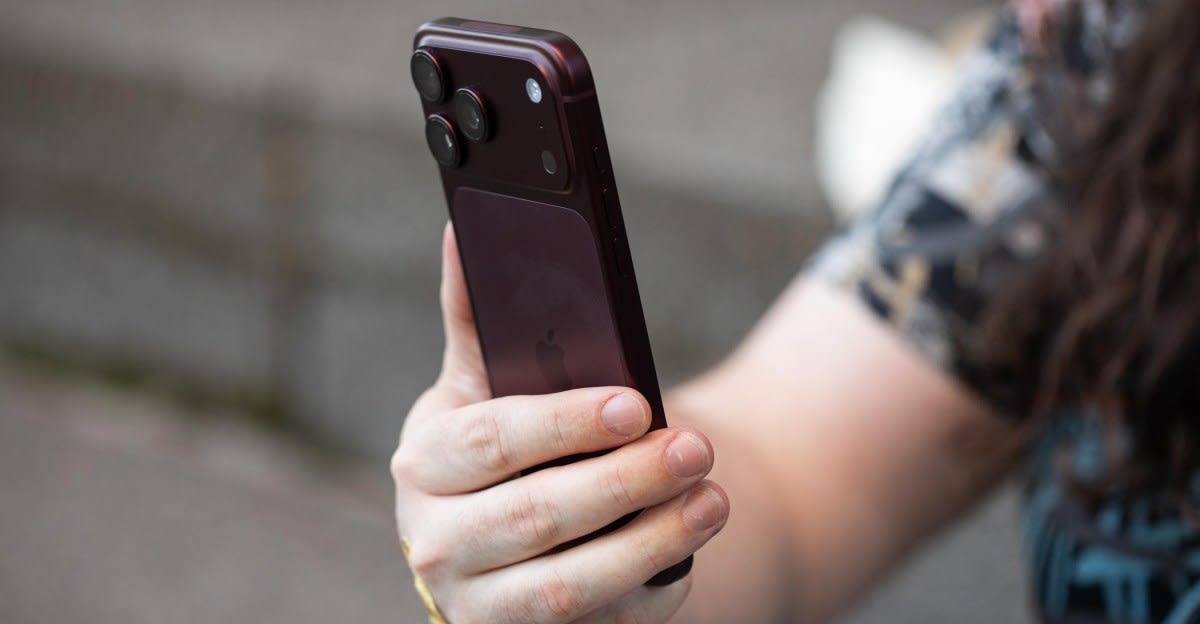
Recent reports highlight the iPhone 18 Pro's advanced mechanical variable aperture lens and a clever firmware solution for battery shipping regulations. Additionally, Apple has initiated a $250 million settlement for US customers regarding unfulfilled AI-upgraded Siri promises.
Engineering Marvels and Regulatory Hurdles: The iPhone 18 Pro
Apple’s latest hardware iterations, specifically the iPhone 18 Pro and 18 Pro Max, represent a significant leap in mobile photography and logistics management. Recent teardowns by iFixit have unveiled the sophisticated mechanical iris system within the device's main camera. This component, which utilizes six overlapping blades as thin as human hair, allows for a variable aperture that controls light intake magnetically. By maintaining this complex mechanism within the same footprint as the previous generation, Apple has achieved a notable feat of precision engineering.
Navigating Global Shipping Constraints
Beyond optics, Apple has addressed the logistical challenge of international battery shipping regulations. To circumvent the 20Wh limit for single-cell batteries, the company implemented a unique "battery-firmware solution." This software lock artificially restricts the battery capacity during transit. Once the device is activated by the end user, the software automatically removes the restriction, restoring the device to its full rated capacity—approximately 21.75Wh for US eSIM-only models and 21.06Wh for European variants.
The Complexity of Modern Repairability
While these innovations showcase Apple's technical prowess, they also introduce new layers of complexity for device repair. The integration of magnetic mechanical components and specialized firmware means that standard maintenance now requires a more nuanced approach. As iFixit noted, while the engineering is impressive, users and third-party repair shops must be mindful of the delicate nature of these new modular systems, which may complicate traditional repair workflows.
Legal Accountability and Consumer Settlements
In tandem with these hardware developments, Apple is navigating a significant legal settlement involving its AI services. The company has agreed to a $250 million payout to settle claims regarding the failure to deliver promised "AI-upgraded Siri" features. This settlement specifically impacts US consumers who purchased iPhone 15 Pro, 15 Pro Max, or any iPhone 16 model between June 10, 2024, and March 29, 2025.
Financial Implications for Consumers
Eligible claimants are currently able to file for compensation, with estimates suggesting a payout of approximately $25 per device. However, the settlement structure allows for this amount to fluctuate, potentially reaching up to $95 per device depending on the total volume of claims filed. This development underscores the growing intersection between software marketing promises and legal liability in the consumer technology sector.
Looking Ahead: Balancing Innovation and Transparency
These events collectively paint a picture of a company at a crossroads between aggressive hardware innovation and the need for greater transparency. Whether through the mechanical precision of the iPhone 18's camera or the regulatory navigation of its battery firmware, Apple continues to push technical boundaries. However, the ongoing Siri-related settlement serves as a critical reminder that consumer trust is heavily contingent upon the accurate representation of software capabilities in an increasingly AI-driven market.
Multiple Citing Sources