Hands-on with Apple's first touchscreen laptop: Touch is totally optional
Source Entity
US Top News and Analysis
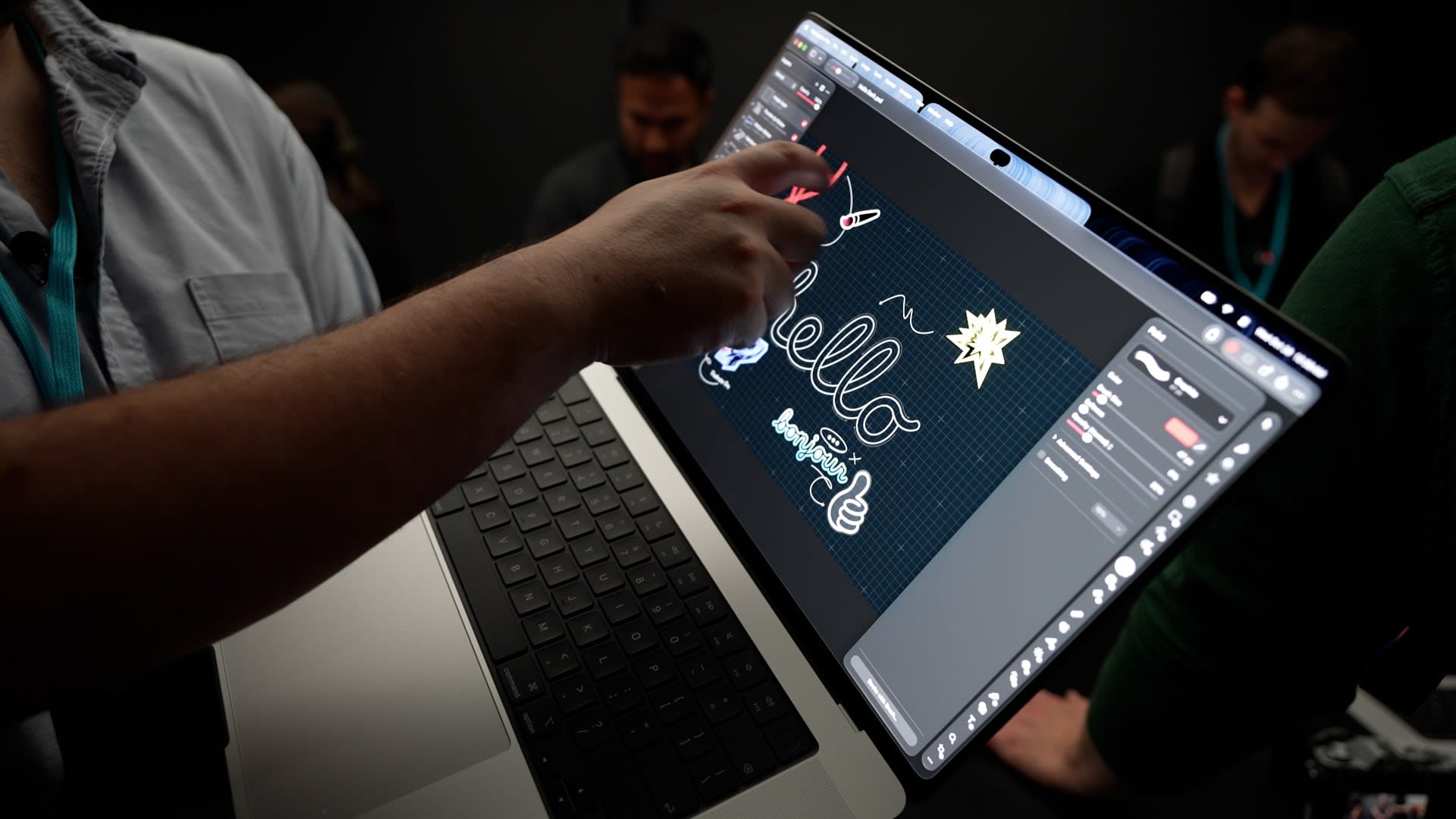
Apple has officially launched its first-ever touchscreen MacBook Pro at its 'Pro and tell' event. This move marks a historic reversal of the company's long-standing skepticism toward touch-enabled laptops.
Apple Breaks Tradition: The Arrival of the Touchscreen MacBook
Apple’s recent "Pro and tell" event in Los Angeles marks a monumental shift in the company’s product philosophy. By unveiling a MacBook Pro equipped with a touchscreen, Apple has officially abandoned its long-held stance that touch interfaces are unsuitable for laptop form factors. This transition represents the most significant hardware evolution for the Mac lineup in over a decade, signaling a willingness to adapt to evolving user preferences that prioritize direct interaction with software.
A Week of Rapid Innovation
The launch was preceded by a flurry of activity, demonstrating an aggressive release schedule. Earlier in the week, Apple introduced an updated iPad Mini featuring an enhanced OLED display, followed by the rollout of M6 chip upgrades for both the iMac and the entry-level MacBook Pro. By separating these "iterative updates" from the main event, Apple effectively cleared the stage to ensure the touchscreen MacBook remained the singular, transformative focus of the "Pro and tell" announcement.
Overcoming Historical Resistance
For years, Apple leadership maintained a firm resistance to the concept of a touchscreen laptop. In 2010, Steve Jobs famously characterized such devices as "ergonomically terrible," and in 2012, CEO Tim Cook used the analogy of a "toaster and a refrigerator" to explain why Apple preferred to keep tablets and laptops as distinct product categories. The company’s previous attempt to bridge this gap—the Touch Bar introduced in 2016—was ultimately phased out by 2023 in favor of a return to traditional physical function keys, proving that Apple was waiting for a more refined technological solution before committing to a full touch display.
Building on a New Hardware Ecosystem
This development follows a broader trend of rapid experimentation within Apple’s hardware division. The company recently entered the smart display market with the "HomeView" and expanded its mobile portfolio with the "iPhone Duo," its first foldable device. The integration of touch capabilities into the MacBook Pro suggests that Apple is now comfortable with a more fluid experience across its macOS and iPadOS ecosystems, potentially bridging the gap between its mobile and computing platforms.
Future Implications for Productivity
By adopting touch technology, Apple is directly challenging the established norms of the professional laptop market. This shift will likely influence how developers design applications for macOS, moving toward interfaces that accommodate both precise cursor input and intuitive touch gestures. As the industry watches, the success of this device will depend on whether Apple can maintain the "pleasing" user experience it once argued was impossible to achieve with a touchscreen laptop.
Conclusion
The introduction of a touchscreen MacBook Pro is a defining moment in Apple's history. By reconciling its past critiques with current technological capabilities, Apple is positioning itself to capture a new segment of users who demand the versatility of a tablet combined with the raw power of the M-series silicon. This launch confirms that even the most deeply held design principles are subject to change in the face of innovation.
Multiple Citing Sources