Apple’s rumored ‘Upgrade’ program brings lease-to-own pricing for iPhones, Macs, and iPads
Source Entity
Stevie Bonifield
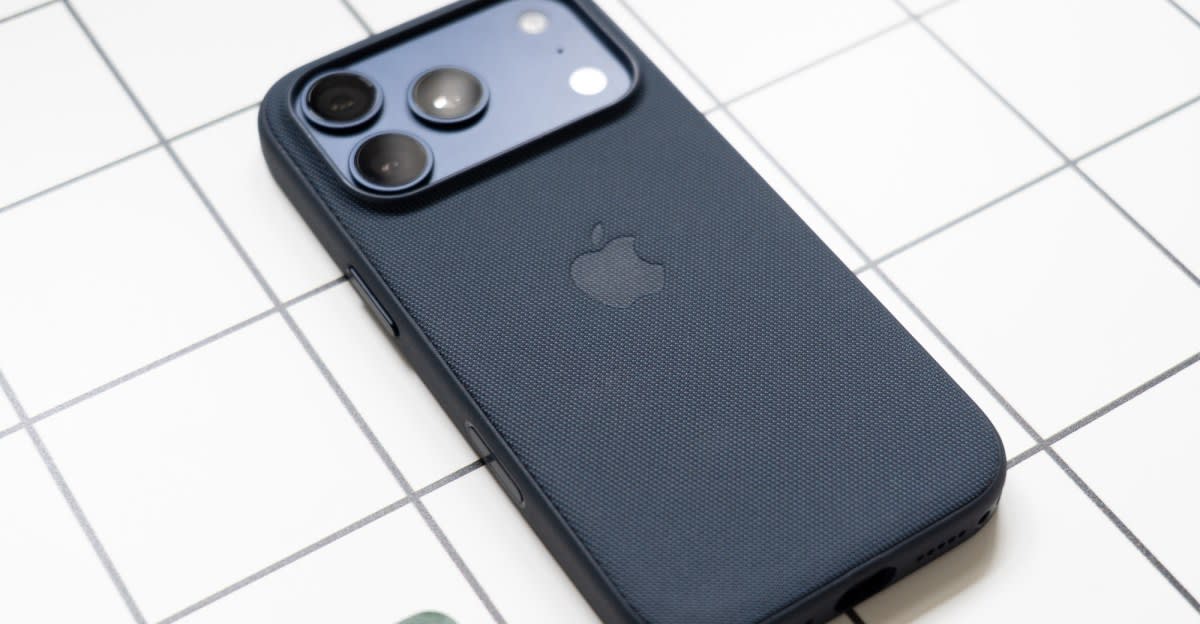
Apple is reportedly launching a new 'Apple Upgrade' leasing program in partnership with Klarna on July 28. This move aims to mitigate rising hardware costs by offering flexible, multi-year payment terms for iPhones, iPads, Macs, and Apple Watches.
The Evolution of Apple’s Hardware Ownership Model
Apple is reportedly preparing to shift its consumer hardware strategy with the introduction of a new "Apple Upgrade" program. This initiative, slated for a July 28 launch, marks a significant transition from traditional financing toward a lease-to-own model for the company’s entire ecosystem, including iPhones, iPads, Macs, and Apple Watches. By partnering with the deferred payment processor Klarna, Apple aims to provide a more flexible financial framework for its customers.
Responding to Global Supply Chain Pressures
The impetus for this strategic pivot appears rooted in the current economic climate of the technology sector. As component and RAM shortages continue to drive production costs higher, Apple is facing the challenge of maintaining profit margins while keeping its high-end devices accessible. By structuring payments similarly to a vehicle lease, Apple is effectively lowering the barrier to entry for consumers who might otherwise be priced out of the latest hardware due to inflationary pressures and increased manufacturing expenses.
Mechanics of the New Lease-to-Own Program
According to reports, the program introduces distinct term lengths based on the device category. Consumers can expect lease terms of up to 24 months for iPhones and Apple Watches, while more expensive hardware like Macs and iPads will feature extended terms of up to 36 months. The program is designed to be user-friendly, requiring only a soft credit check for enrollment, which streamlines the acquisition process compared to traditional hard-inquiry financing methods.
Flexibility and Future Upgrades
One of the defining features of this new program is the "upgrade" component. Much like an automotive lease, participants have the option to upgrade to newer device models before the lease term concludes. At the end of the term, users are presented with the choice to either keep the device, return it, or transition into a new cycle, providing a cyclical approach to hardware ownership that keeps users firmly within the Apple ecosystem.
Potential Financial Implications
While the program offers clear benefits for consumer liquidity, it is important to note that the transition may come with caveats. Reports indicate that, in certain instances, transactions will incur additional fees, suggesting that while the monthly burden may decrease, the total cost of ownership could potentially rise. This reflects a broader trend in the tech industry where companies are increasingly moving toward "hardware-as-a-service" models to ensure consistent, long-term revenue streams.
Conclusion: A New Era for Apple Retail
As the July 28 launch date approaches, the industry will be watching closely to see how this transition impacts Apple's market share and consumer loyalty. By replacing its existing iPhone Upgrade Program and standard financing options with a more comprehensive leasing structure, Apple is signaling a long-term commitment to managing the affordability of its premium products. This evolution not only addresses immediate supply chain constraints but also secures a more predictable, recurring relationship with its global user base.
Multiple Citing Sources