Review: Apple's M6 MacBook Pro is good, but it's missing all the exciting stuff
Source Entity
Andrew Cunningham
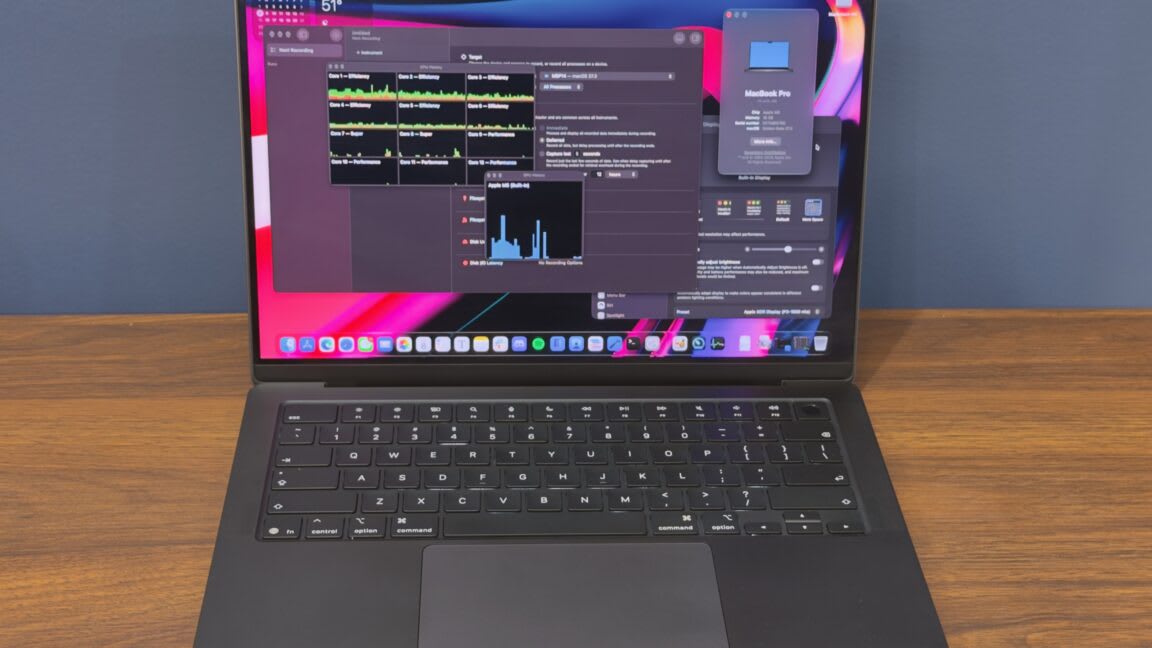
The new entry-level M6 MacBook Pro offers a solid foundation but continues to suffer from Apple's strategy of reserving top-tier features for flagship models. This creates a confusing middle ground that often leaves entry-level buyers with compromised specifications compared to higher-end variants.
The Paradox of Apple’s Entry-Level MacBook Pro
Apple’s recent launch of the M6 MacBook Pro highlights a recurring strategic pattern within the company’s hardware lineup. While the device maintains the high build quality associated with the brand, it occupies an increasingly uncomfortable position in the market. By placing this laptop between the highly portable MacBook Air and the high-performance professional models, Apple continues to create a product that feels caught in a cycle of compromise, lacking the distinct identity required to justify its price point for power users.
The History of Strategic Segmentation
This trend of artificial segmentation is not new. Historically, Apple has utilized the entry-level MacBook Pro as a buffer, often retaining older design languages or limited component ceilings to push customers toward more expensive configurations. We saw this clearly with the M1 and M2 13-inch models, which clung to the outdated 2016 chassis and the polarizing Touch Bar long after the rest of the industry had moved toward more functional design paradigms. This approach prioritizes profit margins over a unified user experience across the product line.
The Performance Ceiling Problem
Technically, the M6 iteration continues the tradition of limiting RAM and storage capacities on base-tier models. While the processor is capable, the 'lower ceiling' for memory and storage creates a bottleneck that prevents the device from being a true 'Pro' machine for heavy workflows. When compared to the flagship versions that receive the latest display innovations and thermal management systems, the entry-level M6 feels like a relic of a previous era, despite its modern silicon.
Market Positioning and Consumer Friction
For the average consumer, the choice becomes increasingly difficult. The MacBook Air offers superior portability and value for general tasks, while the high-end MacBook Pros offer the cutting-edge screen technology and connectivity that professionals demand. The entry-level Pro, by contrast, sits in a 'no-man's land.' It lacks the lightweight appeal of the Air and the feature-rich status of the flagships, forcing users to choose between a lower price or a vastly better hardware experience.
Future Trends in Apple's Silicon Strategy
Looking forward, Apple faces a challenge regarding how it will differentiate its tiers. As M-series chips become more powerful across the board, the reliance on design compromises and spec-capping to differentiate models will likely become less effective. Consumers are becoming more tech-literate, and the 'pro' branding carries an expectation of parity that the current entry-level models are failing to meet. To maintain its market dominance, Apple may eventually need to reconsider this tiered strategy in favor of a more streamlined, feature-consistent lineup.