OpenAI drags Apple’s lawsuit into the court of public opinion
Source Entity
Jess Weatherbed
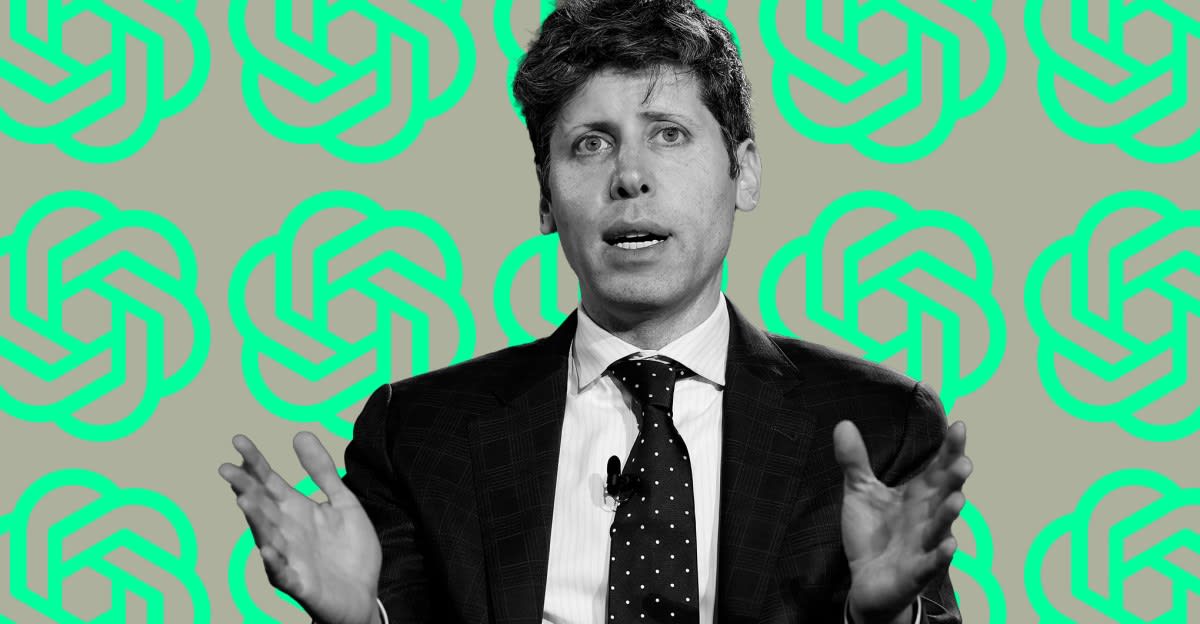
OpenAI has publicly countered Apple's trade secret lawsuit by releasing internal communications to refute allegations of misconduct. Apple has subsequently expanded its investigation, seeking an injunction and naming additional former employees involved in the dispute.
The Escalating Conflict Between Apple and OpenAI
The ongoing legal confrontation between Apple and OpenAI has transcended traditional courtroom proceedings, evolving into a high-stakes battle for public narrative and corporate reputation. Apple, the tech giant known for its fierce protection of proprietary intellectual property, has launched a significant legal offensive against OpenAI, alleging the misappropriation of trade secrets. Central to this dispute are former Apple employees Chang Liu and Tang Yew Tan, who have moved to roles within the AI sector, triggering Apple's concerns regarding the potential migration of sensitive technical data.
OpenAI’s Strategic Counter-Offensive
In a direct response to the litigation, OpenAI published a blog post titled "Apple is getting this wrong." By opting to share iMessage and email exchanges, OpenAI is attempting to dismantle the credibility of Apple’s claims before they reach a jury. This strategy suggests that OpenAI views the lawsuit not merely as a legal threat, but as a reputational one. By characterizing Apple’s accusations as "careless, aggressive, and oddly personal," OpenAI is positioning itself as a victim of corporate overreach rather than a perpetrator of IP theft.
The Expanding Scope of Apple’s Investigation
Apple’s response to OpenAI’s public defense has been to deepen its legal pressure. The company has filed for a preliminary injunction, aiming to halt the development of any AI hardware or software that it believes relies on stolen Apple technology. Crucially, the investigation has widened significantly; Apple now alleges that at least 11 additional former employees may have been involved in the handling of confidential information. This expansion signals that Apple views the situation as a systemic issue rather than an isolated incident involving one or two individuals.
The Role of Industry Talent Migration
This dispute highlights the inherent tensions in the competitive race for artificial intelligence supremacy. As tech giants and startups alike vie for top-tier talent, the movement of senior engineers—such as former lead designer Jony Ive, whose startup 'io' is now entangled in the discovery process—creates complex legal friction. Apple’s request for expedited discovery from OpenAI, its foundation, and entities associated with former staff underscores the company’s intent to track every potential leak of its proprietary research and development.
Implications for Future AI Development
The outcome of this case will likely set a significant precedent for how AI companies handle the hiring of personnel from established hardware firms. If Apple successfully secures an injunction, it could severely throttle the development timelines of new AI-focused devices. Conversely, if OpenAI’s "court of public opinion" strategy succeeds, it could force large incumbents to reconsider the optics of aggressive litigation against smaller, agile competitors. As the discovery phase progresses, the industry will be watching closely to see if these allegations of trade secret theft are substantiated or if this represents a strategic attempt by Apple to stifle competition through legal attrition.