2027 Chevrolet Corvette Grand Sport X proves code is as important as hardware
Source Entity
Tim Stevens
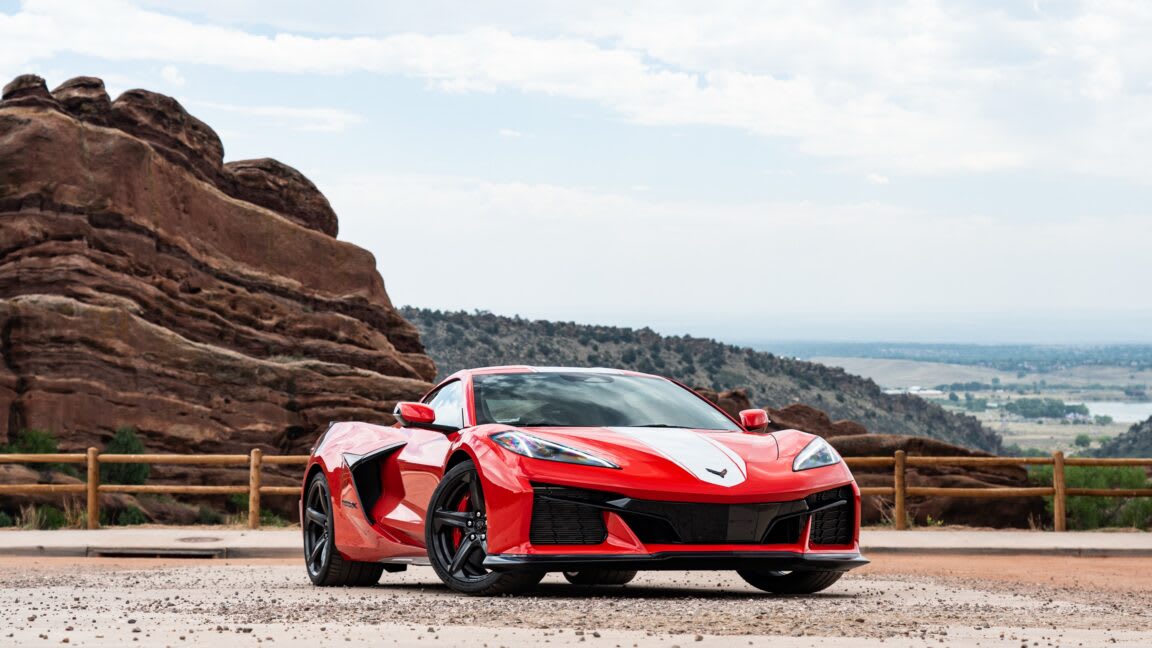
The 2027 Chevrolet Corvette Grand Sport X evolves the brand's hybrid platform, prioritizing sophisticated software integration to deliver 721 horsepower. While the E-Ray is discontinued, this new model signals a performance-first approach to electrification in the iconic sports car lineup.
The Evolution of the Corvette: Software Meets Supercar
The automotive industry is witnessing a profound shift where mechanical prowess is increasingly defined by digital architecture. The 2027 Chevrolet Corvette Grand Sport X represents this transition, moving beyond the initial skepticism that greeted the introduction of hybrid powertrains in the Corvette lineup in 2023. By leveraging a 721-horsepower hybrid system, Chevrolet is demonstrating that high-performance engineering is no longer solely about displacement and traditional combustion dynamics, but about the seamless integration of software and hardware.
Moving Beyond the E-Ray Legacy
When the E-Ray was first introduced, it faced significant scrutiny from purists who questioned the necessity of hybrid technology in a vehicle synonymous with raw, combustion-driven power. Initial concerns regarding the vehicle's intent—whether it was a performance tool or an emissions-driven concession—created a complex narrative for the Corvette brand. The decision to retire the E-Ray in favor of the Grand Sport X indicates that Chevrolet has learned from these early challenges, refining its strategy to ensure that hybrid assistance is viewed as a performance multiplier rather than a compromise.
The Supremacy of Code
The defining characteristic of the Grand Sport X is its reliance on sophisticated software to manage its substantial power output. While the hardware remains formidable, the "Grand Sport X" designation implies a departure from the "soft" reputation that plagued earlier hybrid efforts. By utilizing advanced software tweaks, engineers have successfully bridged the gap between raw mechanical force and manageable, high-speed agility. This shift highlights a broader industry trend where the "code" within the vehicle's control units is as critical to the driving experience as the engine's horsepower rating.
Balancing Performance and Accessibility
Historically, the Corvette has occupied a unique space in the automotive market, offering supercar performance at a fraction of the cost of European competitors. The Grand Sport X continues this tradition but adds a new layer of complexity: the cost-to-performance ratio. While the vehicle offers 721 horsepower, it comes at a "steep cost," which reflects the high research and development investment required to integrate complex hybrid systems without sacrificing the car's identity. This pricing strategy suggests that Chevrolet is positioning the model as a premium technological showcase.
Future Implications for Automotive Design
The transition from the E-Ray to the Grand Sport X serves as a case study for how legacy manufacturers can pivot toward electrified futures. By abandoning the "silent cruising" marketing of the past and focusing on performance-oriented software calibration, Chevrolet is effectively future-proofing the Corvette. This trajectory suggests that future iterations will likely rely even more heavily on artificial intelligence and real-time software updates to optimize traction, power delivery, and thermal management, setting a new benchmark for the segment.