Apple’s first smart glasses are coming together
Source Entity
Terrence O’Brien
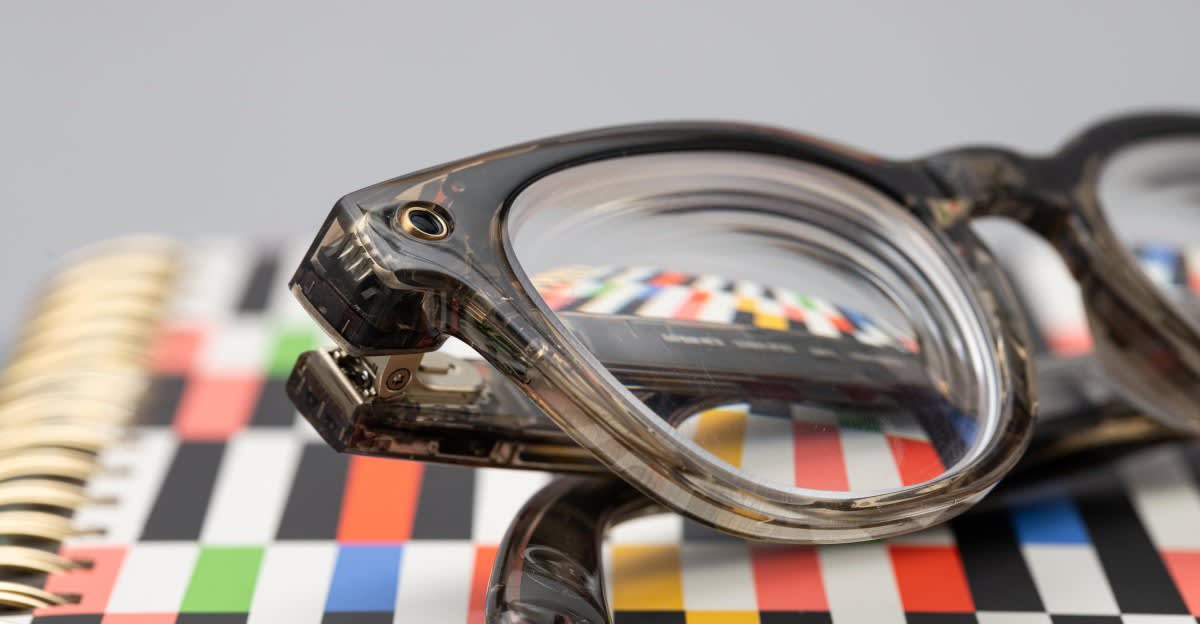
Apple is reportedly preparing to announce its first pair of smart glasses at next year's WWDC. These initial models will focus on AI-driven app control rather than augmented reality features, with shipments expected by the end of the year.
The Evolution of Apple's Wearable Strategy
Apple’s trajectory in the wearable technology sector is nearing a significant inflection point with the reported development of its first smart glasses. Long considered an open secret within Silicon Valley, these devices represent a strategic pivot for the Cupertino giant. Unlike the high-fidelity spatial computing found in the Vision Pro, these upcoming glasses are expected to eschew complex augmented reality (AR) features in favor of a more streamlined, AI-integrated experience. By prioritizing utility and form factor over immersive visual overlays, Apple appears to be aiming for a device that integrates seamlessly into the daily workflow of a typical user.
The Role of WWDC as a Launchpad
Industry insiders, notably Bloomberg’s Mark Gurman, suggest that the official unveiling is slated for the Worldwide Developers Conference (WWDC) in June of next year. The choice of WWDC is significant; it signals that Apple intends to treat these glasses as a platform for developers rather than just a standalone consumer gadget. While the initial announcement will likely focus on capabilities, the hardware is not expected to ship until later in the year, providing a critical window for the ecosystem to mature and for third-party developers to optimize their software.
Siri: The Intelligence Layer
Central to the functionality of these glasses is the revamped Siri AI. Apple is currently focused on enabling fine-grained control over applications, a feature that will be tested and refined on the iPhone before migrating to the wearable hardware. This suggests that the glasses will act primarily as a voice-controlled interface for the existing Apple ecosystem. By allowing developers to add support for these features on the iPhone today, Apple is effectively crowdsourcing the optimization of the software architecture that will eventually power the glasses.
Strategic Implications for the Wearables Market
By releasing a model that lacks AR, Apple is differentiating itself from competitors who have struggled with the technical and social hurdles of building bulky, power-hungry AR hardware. This approach mirrors the company’s historical strategy of waiting for technology to reach a point of maturity where it can be delivered in a non-intrusive, user-friendly package. If successful, this device could redefine the 'smart' wearable category, moving it away from wrist-worn health trackers toward ambient computing.
Future Trends and Challenges
Looking ahead, the success of this product will hinge on the efficacy of the new Siri AI. If the voice-control interface is intuitive and reliable, it could significantly reduce screen time, positioning the glasses as a powerful productivity tool. However, the company faces the challenge of consumer privacy and the sociological implications of wearing camera-equipped or always-on devices in public. As Apple moves closer to the end-of-year shipping window, the industry will be watching closely to see if this iteration marks the beginning of a post-smartphone era or merely a niche accessory for the Apple faithful.