How Apple can win the smart home
Source Entity
Jennifer Pattison Tuohy
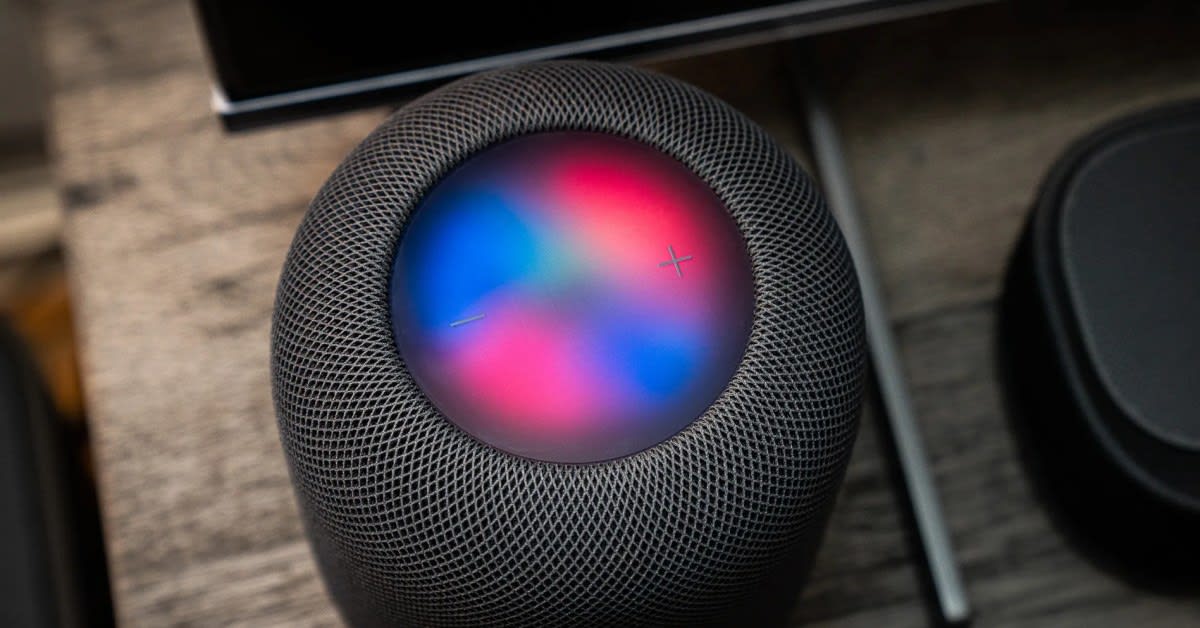
Apple is set to host its first dedicated smart home event in New York City, signaling a strategic pivot toward deeper integration in the IoT space. The event is expected to feature new hardware, including a potential smart display dubbed 'HomeView', alongside updates to the HomePod Mini and Apple TV.
Apple's Strategic Pivot to the Smart Home Ecosystem
Apple is poised to redefine its role in the Internet of Things (IoT) landscape with its first-ever dedicated smart home event, the "Welcome Home experience," taking place in New York City on October 13th. For years, Apple Home has functioned as a peripheral component of the broader Apple ecosystem, primarily tethered to the iPhone and iPad. This event signifies a shift in corporate strategy, suggesting that Apple is moving from a passive platform provider to an active hardware innovator in the smart home sector.
The Shift Toward Dedicated Hardware
Industry speculation, supported by reports from Bloomberg and MacRumors, points to the unveiling of a new smart home display, potentially named "HomeView." This represents a critical evolution for the company. While competitors like Amazon and Google have long utilized dedicated smart displays as the central nervous system of the connected home, Apple has historically relied on mobile devices to bridge this gap. A dedicated display suggests that Apple intends to create a localized, always-on interface that reduces reliance on the smartphone.
Refreshing the Core Product Line
In addition to the rumored HomeView, the event is expected to showcase a refreshed HomePod Mini and Apple TV. These updates are essential for maintaining parity with the evolving standards of smart home connectivity. By iterating on these established products, Apple is likely aiming to solidify the foundation of its "Apple Home" framework, ensuring that its ecosystem remains competitive against the robust, multi-device strategies employed by major rivals.
Implications for the IoT Market
The decision to host a dedicated event underscores the growing importance of the smart home as a battleground for consumer loyalty. As the market for smartphones reaches maturity, companies are increasingly looking toward the home as the next frontier for service integration and data engagement. Apple’s entry into this space with dedicated hardware could catalyze a shift in how consumers perceive home automation, moving it from a niche hobbyist pursuit to a seamless, integrated lifestyle experience.
Future Trends and Integration
Looking forward, the success of this initiative will likely depend on the interoperability of these new devices. If Apple successfully leverages its "Apple Home" branding to create a more cohesive experience, it could effectively lock users deeper into its walled garden. The potential for a unified interface that controls everything from security cameras to lighting systems through a dedicated display could set a new benchmark for user interface design in the home automation industry.
Conclusion
Ultimately, the "Welcome Home experience" is more than just a product launch; it is a declaration of intent. By centering its hardware strategy around the home, Apple is signaling that it intends to capture a larger share of the domestic technology market. Whether this move will allow them to overtake established players remains to be seen, but it is clear that Apple is finally treating the smart home as a primary pillar of its technological roadmap.