How Apple stock usually reacts to big iPhone reveal events
Source Entity
Yahoo Finance
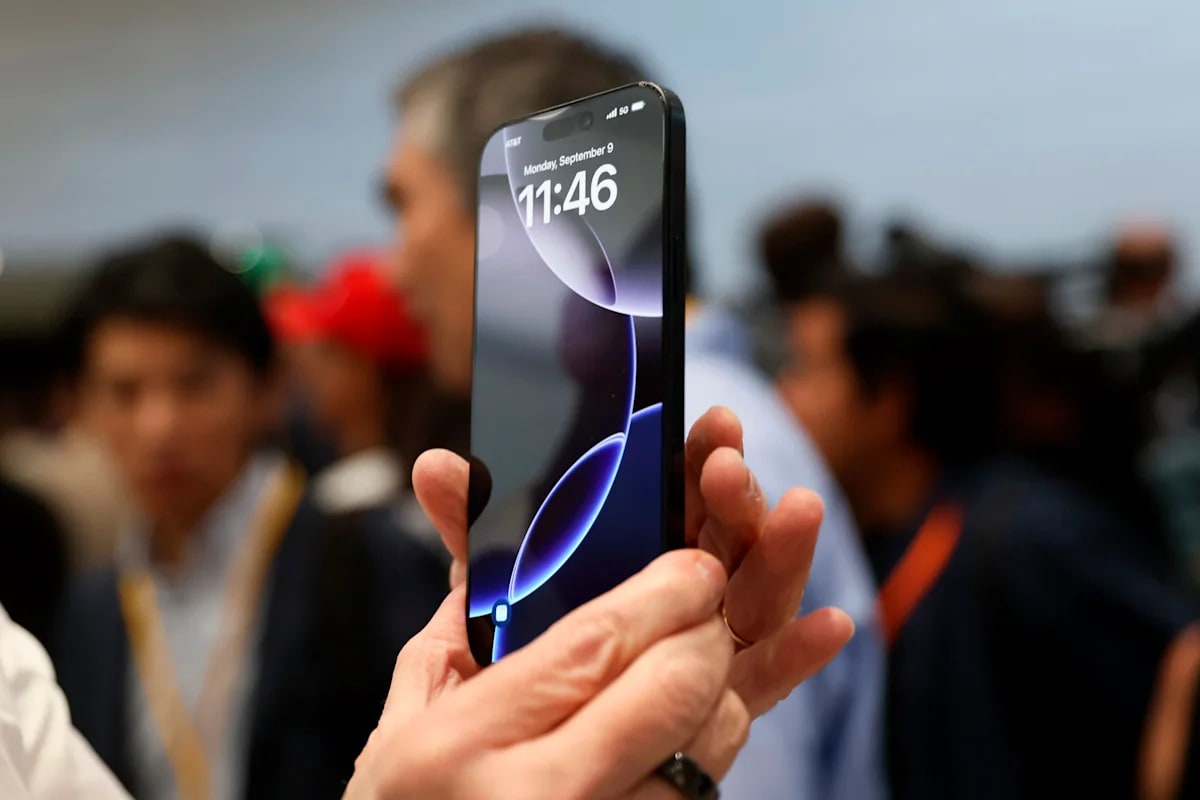
Apple stock historically experiences short-term volatility following iPhone launches before trending upward within 60 days. Analysts note a consistent pattern of recovery, despite current market pressures regarding pricing and AI integration.
Market Trends Surrounding Apple's Annual iPhone Reveals
Apple's annual iPhone reveal events serve as a critical barometer for investor sentiment and the broader consumer technology market. Historically, these product launches trigger a specific pattern of market behavior, often characterized by a 'sell-the-news' reaction in the immediate aftermath of the presentation. This phenomenon suggests that much of the anticipation is baked into the stock price ahead of the actual event, leading traders to take profits once the product specifications are officially unveiled.
The 60-Day Recovery Pattern
Recent analysis from Bank of America’s Wamsi Mohan highlights a consistent trend in Apple (AAPL) stock performance. While volatility is common on the day of the keynote, the data shows that shares have gained in the 60 days following an iPhone reveal 17 times since the original launch in 2007. This resilience suggests that the market eventually pivots from short-term speculation to evaluating the long-term sales potential and ecosystem growth of the new hardware.
Historical Performance and Peak Gains
To understand the magnitude of these post-launch trends, one must look at historical outliers. The most significant surge occurred following the 2019 reveal of the iPhone 11, which saw the stock rise by 20% over the subsequent 60-day window. Such figures underscore how specific product cycles can capture consumer interest, regardless of initial market hesitation or the immediate 'wavering' observed in the lead-up to events like the recent September 9 'Surprise and Shine' keynote.
Navigating the Pricing Tightrope
Despite the positive outlook on stock performance, the company faces significant challenges. Analysts have pointed out that Apple is currently walking a 'tightrope' regarding product pricing. With cost-conscious consumers becoming increasingly selective, Apple must balance its premium positioning with the need to maintain market share. This pricing strategy is essential to ensuring that the latest hardware remains accessible enough to drive broad adoption, which in turn fuels the company's services and ecosystem revenue.
The Integration of Wearable AI
Beyond the smartphone, Apple is shifting its narrative to focus on artificial intelligence. Recent events have emphasized the company’s advancements in AI through its wearable devices and the latest iPhone models. While some market observers argue that the focus on the 'iPhone Duo' might distract from these AI innovations, the long-term success of the company likely depends on how effectively these intelligent features are integrated into the daily user experience across the entire product suite.
Future Outlook and Conclusion
As Apple moves into its post-launch phase, the market will continue to monitor whether the current cycle mirrors past successes. The consistent 60-day recovery trend suggests that investor confidence remains tethered to the company's ability to execute its product roadmap. Ultimately, the intersection of AI development, strategic pricing, and the sustained loyalty of the consumer base will dictate whether Apple can maintain its trajectory of growth in an increasingly competitive global market.