India’s farm yields rise, but China continues to produce twice as much grain
Source Entity
Latest News: Todays Latest News Headlines from India & World | Hindustan Times | Hindustan Times
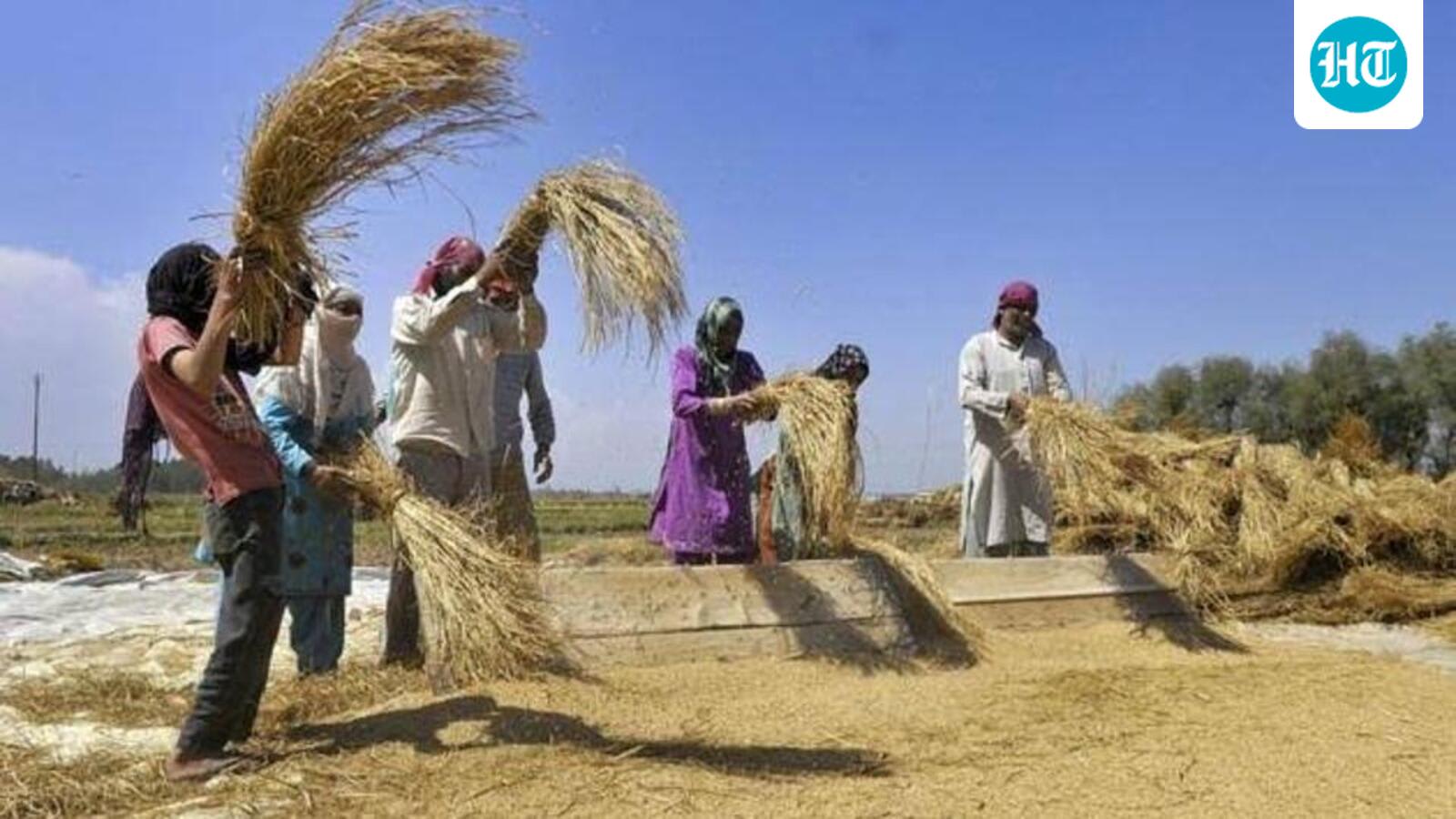
Recent BRICS data highlights a significant productivity gap in grain yields between India and China. Despite India having the largest cultivated area, its output per hectare lags behind China's across major cereals like rice, wheat, and maize.
The Productivity Gap: India vs. China in Agriculture
Recent data released in the BRICS Joint Statistical Publication on August 18 has brought the stark disparities in agricultural efficiency between India and China into sharp focus. While India maintains the distinction of having the largest cultivated land area among BRICS nations, the sheer volume of production remains skewed in favor of China. The report reveals that China continues to produce more than twice the total cereal output of India, a trend that highlights a persistent challenge in India’s agricultural sector despite recent advancements.
Analyzing the Yield Discrepancy
Agriculture ministry estimates for 2025-26 indicate that India’s rice yield stands at 2,915 kg per hectare, with wheat at 3,591 kg/ha and maize at 3,824 kg/ha. In contrast, China’s 2025 figures are substantially higher, with rice at 7,205 kg/ha, wheat at 5,940 kg/ha, and maize at 6,700 kg/ha. This data confirms that even as India achieves steady growth in its crop yields, the gap between the two nations remains significant, suggesting that land area alone is not the primary driver of national food security or agricultural dominance.
The Role of Technology and Infrastructure
One of the primary implications of this data is the potential for India to prioritize intensive agricultural research and technological integration. The disparity in yield per hectare suggests that while India has optimized its land use, it has not yet matched the intensive cultivation techniques, irrigation infrastructure, and high-yield seed adoption rates utilized by China. Bridging this gap will likely require a shift in policy focus from expanding cultivated land to increasing the productivity of existing acreage through advanced agro-tech.
Global Implications for Food Security
As major players within the BRICS bloc, the agricultural output of both India and China has massive implications for global food security. China’s ability to generate significantly more grain per hectare allows it to buffer against global supply chain shocks more effectively than nations with lower yields. For India, the data serves as a strategic roadmap, indicating that future growth must be driven by yield optimization rather than merely increasing the footprint of agricultural land, which faces environmental and logistical constraints.
Future Trends and Strategic Outlook
Looking ahead, the trajectory of these yields will define the economic standing of both nations within the bloc. If India can successfully implement policies that narrow the productivity gap, it could significantly enhance its export capacity and domestic food stability. However, the current data suggests that without a transformative leap in farming practices, China will maintain its status as the bloc’s dominant cereal producer for the foreseeable future.
Conclusion
In summary, the BRICS statistical analysis provides a sobering reality check for India’s agricultural sector. While progress is evident in current yield figures, the magnitude of the difference compared to China highlights a critical area for policy intervention. By focusing on closing the yield gap, India can transform its vast cultivated area into a more powerful engine for national economic growth and global agricultural influence.
Verification Required?