Brian Niccol’s Two-Year Turnaround Serves Up Sales Growth for Starbucks
Source Entity
Yahoo Finance
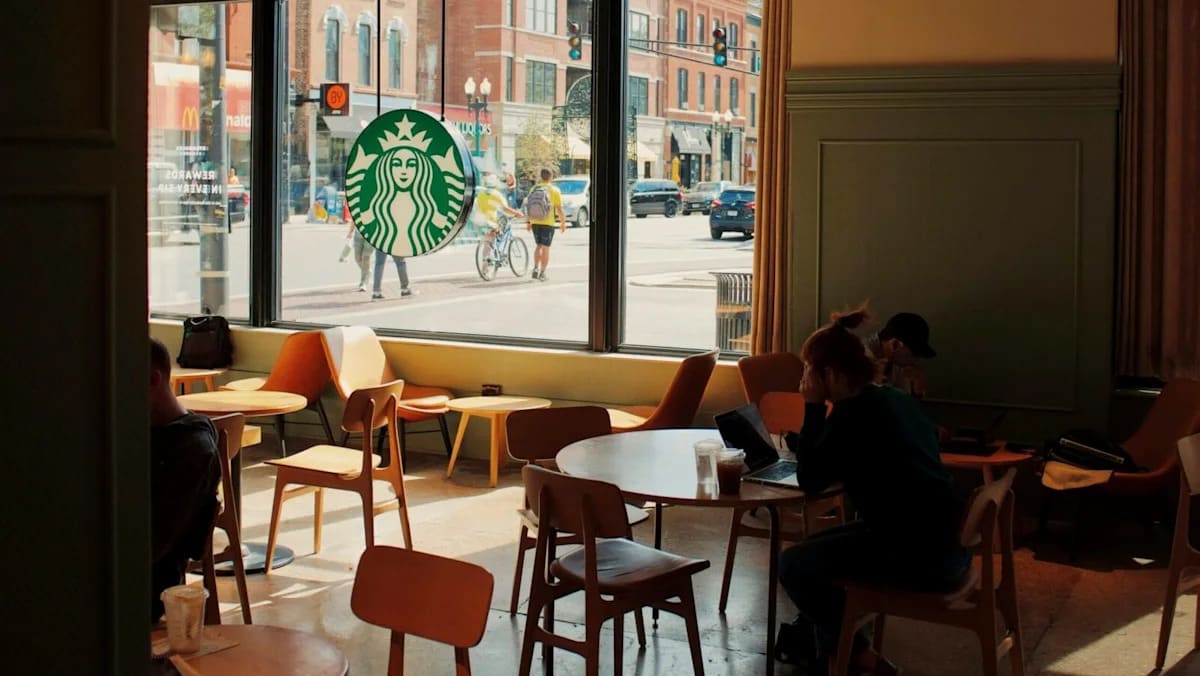
CEO Brian Niccol is spearheading a 'Back to Starbucks' turnaround strategy focused on revitalizing the in-store experience. The plan includes significant investments in store comfort, such as adding 25,000 chairs, to shift customer behavior away from mobile-only pickups.
The 'Back to Starbucks' Strategic Pivot
Starbucks is currently undergoing a significant operational and cultural shift under the leadership of CEO Brian Niccol. Following a period of declining global same-store sales, Niccol has officially declared that "Starbucks is back," signaling the preliminary success of a turnaround strategy he has spearheaded over the past two years. This transition marks a departure from the brand's recent reliance on high-velocity mobile throughput and toward a more traditional, community-focused coffee-house identity.
Prioritizing the Physical Experience
A cornerstone of the "Back to Starbucks" plan is the physical reconfiguration of retail locations. Recognizing that the brand had drifted toward a utility-based model where customers viewed stores primarily as pickup points, the company is now investing in customer comfort. The plan to add 25,000 chairs is a deliberate effort to incentivize patrons to linger, transforming the stores back into the "third place" environment that originally propelled the brand's global success.
The Niccol Playbook: A Proven Strategy
Brian Niccol’s appointment was largely predicated on his previous success at Chipotle, where he successfully navigated the brand through a series of E. coli crises and restored profitability. Investors are drawing parallels between his current approach at Starbucks and his past tenure, noting his ability to balance aggressive cost-cutting measures with strategic reinvestments in the consumer experience. By streamlining operational costs, Niccol has unlocked the capital necessary to fund these store improvements.
Addressing the Mobile-Efficiency Trap
In recent years, Starbucks became overly dependent on the efficiency of its mobile ordering platform, which often led to congested pickup areas and a sterile, transactional atmosphere. While mobile ordering remains a vital revenue stream, the current strategy seeks to mitigate the "run and grab" culture that diminished the in-store experience. By fostering a more inviting physical atmosphere, Starbucks aims to increase customer dwell time, which historically correlates with higher average ticket sizes and improved brand loyalty.
Future Outlook and Market Implications
As Starbucks moves forward, the success of this strategy will be measured by its ability to sustain growth in same-store sales while managing the overhead associated with a more labor-intensive, hospitality-focused model. The market response to Niccol’s letter and his commitment to the "Back to Starbucks" vision suggests cautious optimism among investors. Looking ahead, the company’s ability to balance the technical convenience of its digital ecosystem with the physical charm of its redesigned stores will define the next phase of its corporate evolution.