Your Apple Watch Can Listen In on Conversations. Is That Useful or Creepy?
Source Entity
Latest News: Todays Latest News Headlines from India & World | Hindustan Times
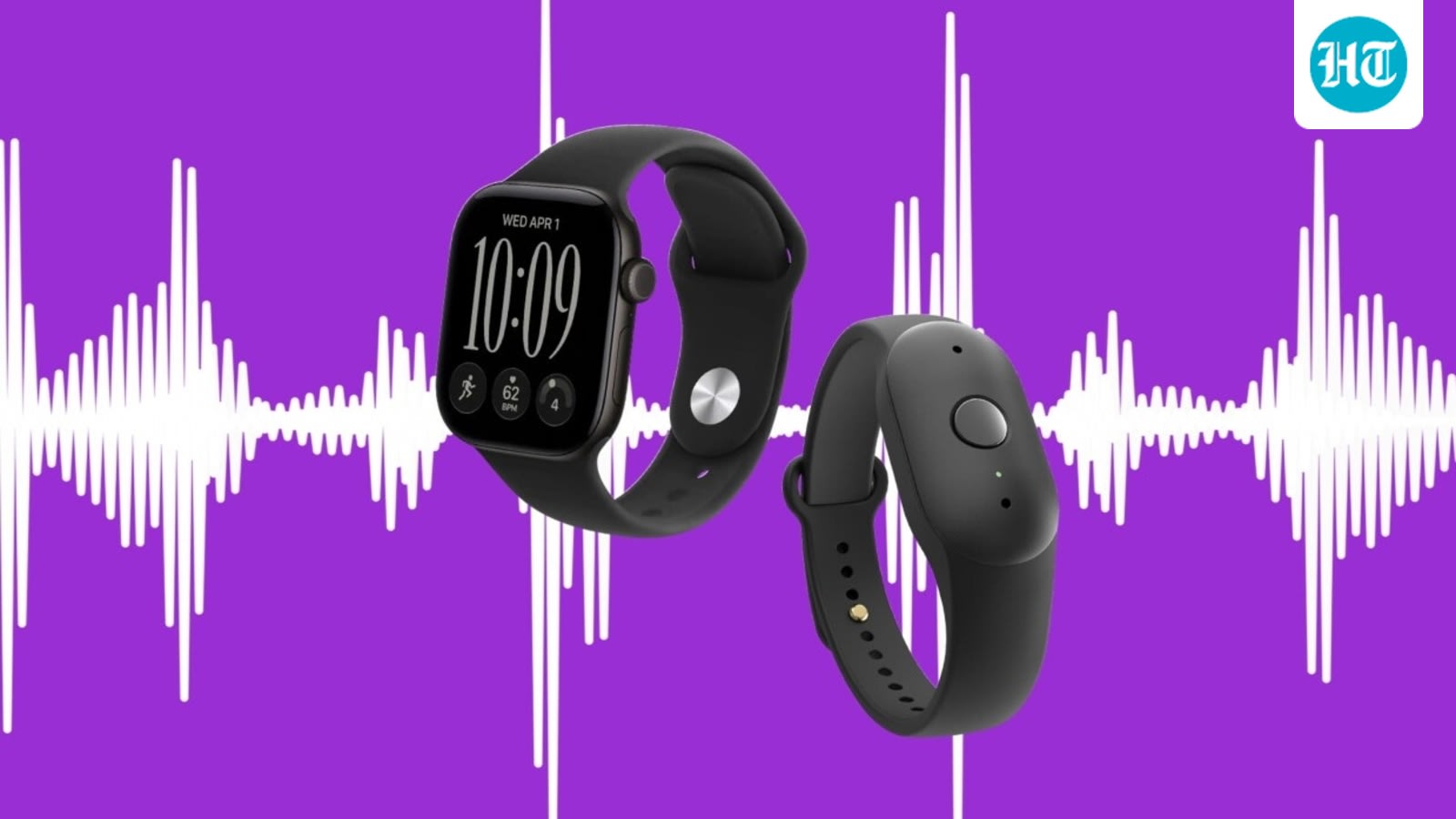
New always-on recording wearables like the Apple Watch and Amazon Bee aim to augment human memory. However, these devices raise significant privacy concerns regarding the consent of bystanders and the security of captured audio data.
The Rise of Always-On Wearable Recording
Recent technological advancements have introduced a new wave of AI-enabled, always-on recording devices, represented here by the Apple Watch Series 12 and the Amazon Bee Frontier. These devices are designed to function as cognitive prosthetics, promising to augment human memory by capturing daily conversations and transcribing them for later review. By acting as a digital repository for fleeting thoughts and verbal commitments, these tools attempt to solve the common human struggle of information retention in a fast-paced environment.
The Utility vs. Privacy Paradox
The central value proposition of these wearables lies in their ability to bridge the gap between spoken intent and actionable task management. For many users, the convenience of having an automated assistant that tracks every interaction is transformative, ensuring that crucial details do not slip through the cracks. However, this utility creates a profound paradox: as the devices become more efficient at capturing life’s moments, they simultaneously introduce a persistent, covert presence that monitors private discourse.
The Erosion of Spontaneous Privacy
A critical concern highlighted by these devices is the 'creep factor' associated with constant surveillance. Unlike traditional recording equipment, which is often conspicuous, the Apple Watch and Amazon Bee are integrated into the daily aesthetic, making their recording capabilities less obvious. This shift potentially alters human behavior, as individuals may feel compelled to self-censor or speak less freely, fearing that their casual conversations are being transcribed and stored in cloud-based systems with unknown security parameters.
Consent and the Social Contract
The broader implications of these devices extend beyond the individual user to the bystanders caught in the audio net. In public or private settings, the presence of an always-on recorder effectively nullifies the traditional expectation of privacy in conversation. Because these devices capture audio without explicit, real-time consent from all parties involved, they threaten to erode the social contract that governs interpersonal interaction, where the absence of recording is usually the default assumption.
Future Trends in Ambient Computing
Looking forward, the proliferation of such technology suggests a future where ambient computing is ubiquitous. As AI models become more adept at summarizing and categorizing these audio logs, the pressure to adopt such devices for productivity will likely increase. This trend necessitates a robust debate regarding data governance, the definition of digital consent, and the ethical responsibility of manufacturers to protect the privacy of both the wearer and those they interact with in their daily lives.
Verification Required?