The new Apple TV could have a built-in mic and a remote with a speaker
Source Entity
Terrence O’Brien
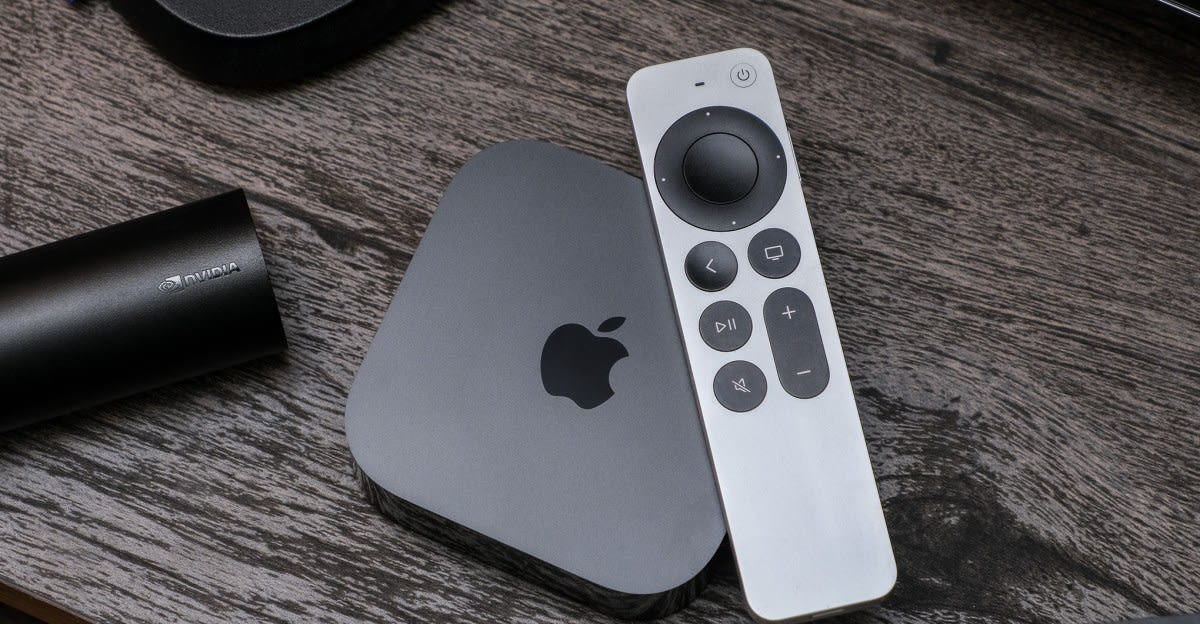
Apple is set to host a 'Welcome Home' event featuring the launch of the 'HomeView' smart hub, updated Apple TV hardware, and the potential debut of homeOS. These moves signal a significant strategic pivot to capture a larger share of the smart home automation market.
Apple's Strategic Pivot into Smart Home Ecosystems
Apple is preparing for its highly anticipated 'Welcome Home' event, a clear signal that the company is intensifying its focus on the burgeoning smart home sector. While Apple has long maintained a presence in this space through the HomeKit software framework and the HomePod lineup, the upcoming event marks a departure from incremental updates toward a more cohesive, hardware-centric strategy. By introducing new platforms and dedicated hardware, Apple aims to address historical challenges in market penetration and ecosystem interoperability.
The HomeView Hub: Centralizing the Experience
The centerpiece of the event is expected to be the 'HomeView,' a dedicated smart home hub. According to reports from Bloomberg’s Mark Gurman, this device will feature a display and an A18 chip, positioning it as a powerful command center for the modern household. By offering two form factors—one for countertops and one for wall-mounting—Apple is clearly targeting diverse living spaces, aiming to make the device a permanent, functional fixture in the home rather than just another peripheral.
Evolving the Apple TV and Remote
Hardware refreshes for the Apple TV are also on the horizon, with significant functional upgrades reported. The inclusion of a built-in microphone on the Apple TV itself is a strategic move to facilitate hands-free Siri interaction, removing the necessity of speaking directly into a remote. Furthermore, the rumored integration of a speaker into the remote control addresses a common consumer pain point: losing the remote. This practical, user-centric addition demonstrates Apple's commitment to refining the daily user experience through thoughtful hardware design.
Potential for a New Operating System: homeOS
Beyond hardware, the potential debut of 'homeOS' suggests that Apple is looking to unify its smart home strategy under a dedicated operating system. Similar to how tvOS, watchOS, and iPadOS provide tailored experiences for their respective devices, a specialized homeOS could provide the necessary architecture to manage complex automation routines, security protocols, and third-party device integrations more efficiently than the current fragmented software environment.
Broader Implications and Future Trends
This shift represents Apple's most serious attempt to dominate the smart home market to date. By integrating high-performance silicon like the A18 chip, Apple is preparing for a future where smart homes rely heavily on local processing for privacy and speed, rather than constant cloud reliance. If successful, this ecosystem expansion could finally provide the traction that HomeKit previously struggled to achieve, setting a new standard for how consumers interact with their automated environments.
Conclusion
The 'Welcome Home' event is poised to be a pivotal moment for Apple’s hardware division. By combining the convenience of voice-controlled hubs with the utility of upgraded living room staples, Apple is attempting to solidify its position as a central authority in home automation. As the company prepares to roll out these new devices and potentially a new software layer, the industry will be watching closely to see if this strategy successfully bridges the gap between high-end technology and everyday household utility.
Multiple Citing Sources