Archer buys former rival Wisk Aero
Source Entity
Kirsten Korosec
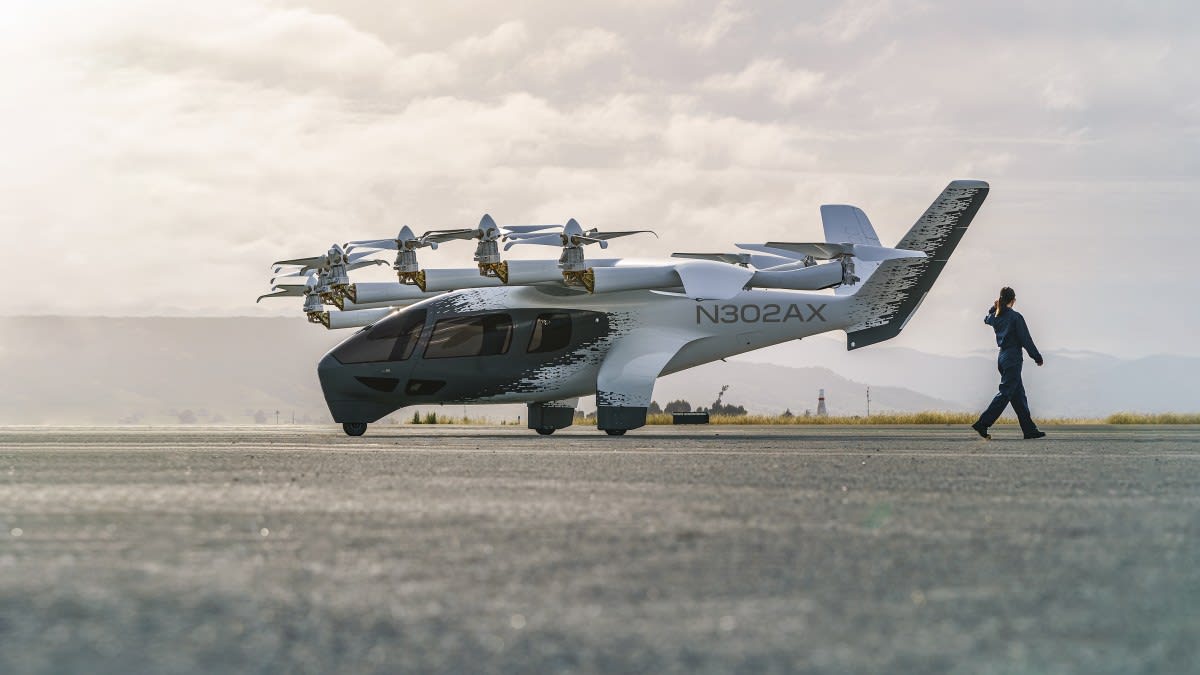
Archer Aviation has acquired three of Boeing's subsidiaries, including Wisk Aero, SkyGrid, and Insitu, in a strategic deal. This acquisition resolves past legal tensions and grants Boeing a 16.5% stake in Archer, causing a significant surge in Archer's stock price.
A Strategic Realignment in Urban Air Mobility
In a landmark development for the electric vertical takeoff and landing (eVTOL) industry, Archer Aviation has finalized an agreement to acquire three key subsidiaries from aerospace giant Boeing: Wisk Aero, SkyGrid, and Insitu. This transaction represents a profound shift in the sector, effectively consolidating resources among former rivals and signaling a maturation phase for urban air mobility (UAM). By integrating these diverse assets, Archer is positioning itself to lead the transition from experimental testing to commercial-scale operations.
Resolving Historical Conflict
The acquisition marks a dramatic conclusion to a previously embittered relationship between Archer and Wisk Aero. Three years ago, the two entities were locked in a high-stakes legal battle centered on allegations of trade secret theft. By bringing Wisk—a company renowned for its development of autonomous electric aircraft—under the Archer umbrella, the firms have moved past litigation in favor of strategic synergy. This resolution is a testament to the consolidation trends typical in emerging tech sectors, where market survival often necessitates the merging of competing intellectual property portfolios.
Expanding the Technological Ecosystem
The deal is not limited to airframes; it encompasses a broader technological ecosystem. SkyGrid, a specialist in digital airspace and air traffic management, is crucial for the future of UAM, as it provides the infrastructure necessary to manage high-density urban flight paths. Furthermore, the inclusion of Insitu, which produces high-altitude drones for the U.S. Navy, provides Archer with a robust manufacturing and defense-adjacent footprint. These assets provide Archer with a comprehensive toolkit that spans from vehicle design to the complex logistical software required to manage autonomous fleets.
Financial Implications and Market Reaction
From a financial perspective, the deal is structured as an equity swap. Boeing will receive newly issued Archer shares amounting to approximately 16.5% of the company post-closing, along with options to purchase additional equity over the next four years. This move allows Boeing to maintain exposure to the burgeoning eVTOL market while offloading subsidiaries that may not align with its current focus on core aerospace operations. Investors reacted with immediate optimism, as Archer’s shares surged 20% following the announcement, reflecting market confidence in the company’s expanded capabilities and strengthened balance sheet.
Future Trends in Urban Air Mobility
Looking ahead, this consolidation suggests that the race for commercial air taxi operations will be won by those who can successfully integrate hardware with sophisticated air traffic management systems. By securing SkyGrid’s technology, Archer is better equipped to meet the stringent regulatory and safety demands required for urban deployment. As the industry moves closer to commercialization, we can expect further strategic partnerships and M&A activity as established aerospace incumbents seek to secure their stakes in the future of flight, while startups look to leverage the manufacturing scale and regulatory expertise of legacy firms.