Why Argentina President Milei will not attend FIFA World Cup final vs Spain?
Source Entity
The Indian Express
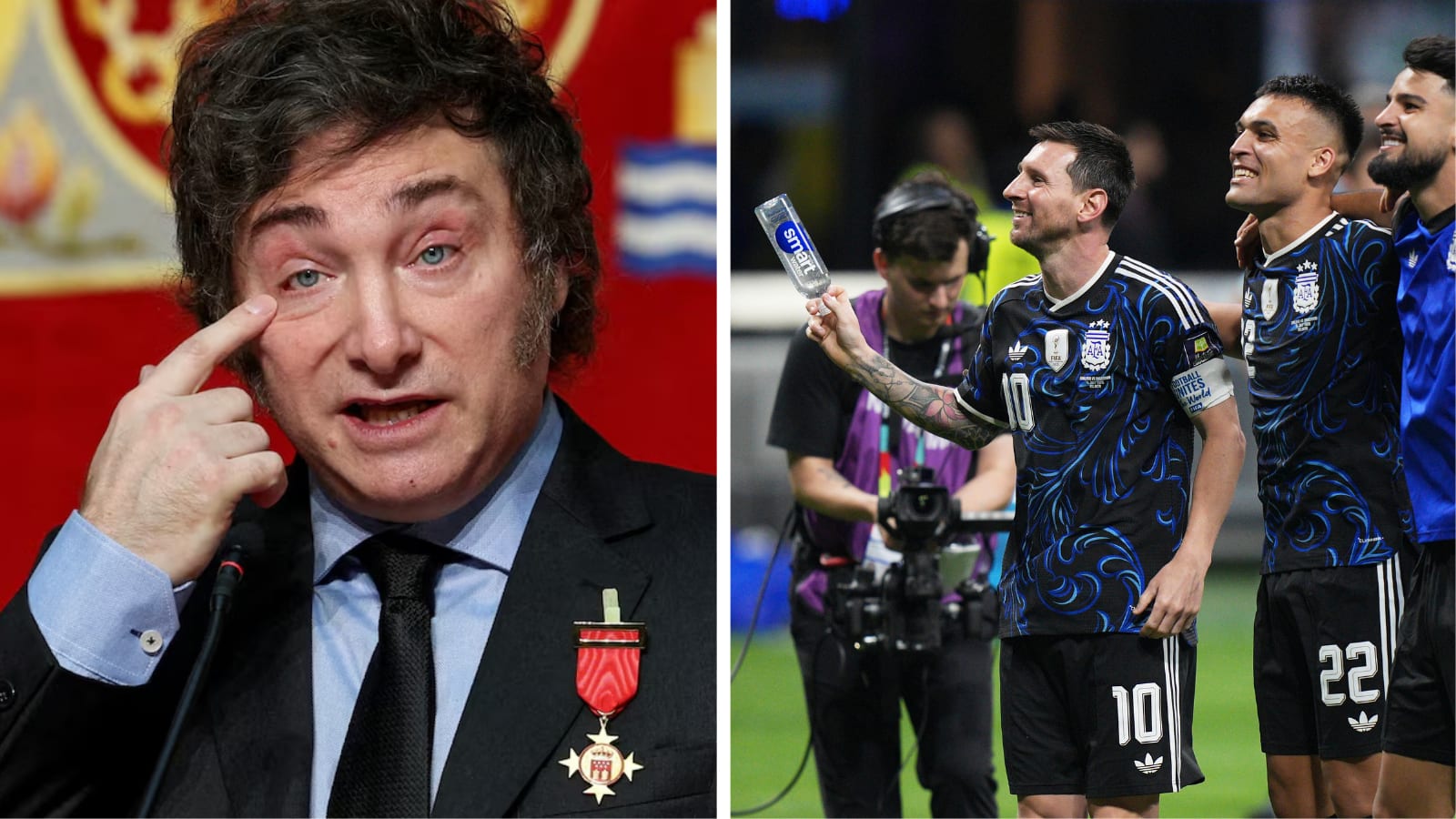
Argentine President Javier Milei will skip the World Cup final against Spain, citing traditional 'cábalas' superstitions. Meanwhile, FIFA has appointed Slovenian referee Slavko Vinčić to officiate the historic match at MetLife Stadium.
The Weight of Tradition: Argentina’s World Cup Final
As the world prepares for the FIFA World Cup final at MetLife Stadium in New Jersey, the spotlight is turning toward the unique cultural pressures surrounding Argentina’s defense of their title against Spain. Perhaps the most striking narrative is the absence of Argentine President Javier Milei, who has explicitly stated he will not attend the match. His decision is rooted in the deep-seated Argentine tradition of cábalas—superstitions that govern the behavior of fans and officials alike during a winning streak.
The Power of 'Cábalas'
In Argentina, football is more than a sport; it is an identity defined by rituals. Fans often maintain strict routines during a tournament, such as wearing the same clothing, sitting in specific seats, or avoiding the washing of jerseys to preserve a 'winning aura.' For President Milei, the stakes of a historic title defense have led him to prioritize these cultural superstitions over a high-profile diplomatic appearance alongside U.S. President Donald Trump and FIFA President Gianni Infantino. By choosing to remain at the Olivos presidential residence, Milei is signaling a respect for the collective anxiety and hope of the Argentine public.
A Historic Referee Appointment
Adding to the gravity of the final is the selection of Slovenian official Slavko Vinčić as the match referee. Appointed by FIFA’s head of refereeing, Pierluigi Collina, Vinčić becomes the first Slovenian official to referee a World Cup final. His selection is particularly notable given his prior history with both finalists. Most famously, he officiated Argentina's shock 2-1 group-stage defeat to Saudi Arabia during the 2022 World Cup in Qatar—a match that eventually served as a catalyst for Argentina’s resilient path to glory.
The Evolution of the Game
This final represents a confluence of historical milestones. Beyond the tactical battle between the two squads, FIFA has marked the occasion by unveiling a special 'ring' award, a first in the 96-year history of the tournament. The ceremony surrounding this award, combined with the presence of global leaders, underscores the massive scale of the 2026 event. The appointment of Vinčić, a seasoned veteran of high-stakes matches, is clearly intended to provide stability in what promises to be a highly emotional encounter.
Broader Implications and Future Trends
The decision by President Milei to avoid the stadium reflects the broader intersection of politics and sports in Latin America. When a national leader bows to the irrational demands of a cábala, it reinforces the social cohesion that football provides in Argentina. As the sport continues to grow, the tension between the globalized, commercialized nature of FIFA events and the deeply localized, superstitious nature of fan culture will likely continue to manifest in unique ways.
Concluding Outlook
As Sunday approaches, all eyes will be on MetLife Stadium. Whether it is the legacy of players like Enzo Fernandez—who once begged Lionel Messi not to retire and now plays alongside him—or the pressure on referee Vinčić to maintain order in a high-stakes environment, the match is set to be a landmark event. While the President remains at home to appease the forces of superstition, the team on the pitch will carry the weight of a nation’s expectations, aiming to secure a historic title against a formidable Spanish side.